
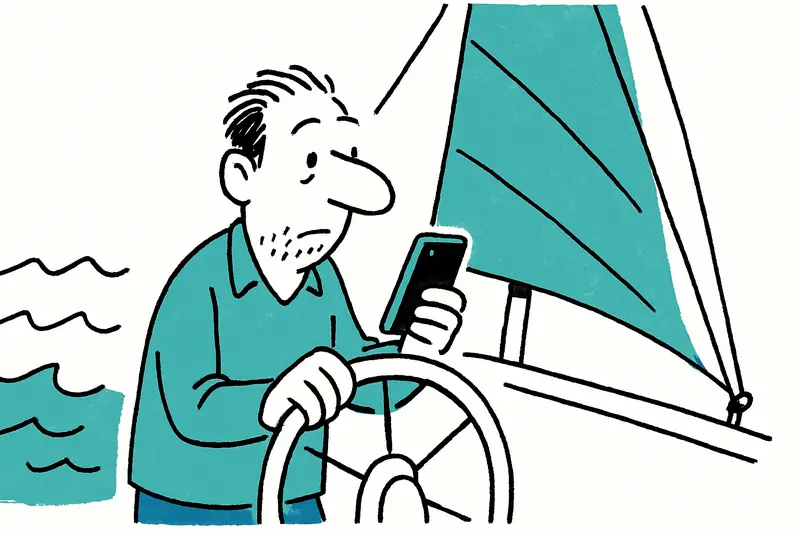
With Wind, Waves and an Espresso from the Bilge: A Sunday with a Skipper from Cala d'Or
A morning in the marina, the rig clicking, the phone buzzing — and among it all a skipper who keeps families together, plans routes and keeps a hammock in the forepeak at night. A look behind the scenes of charter life in Cala d'Or.
Between the Outlet and the Chart: Sunday in the Marina
It is 08:00, the sun has not yet burned hot, the seagulls screech like stressed neighbors, and the rigging of a sailing yacht clicks to the rhythm of a light breeze. I meet Mateo* on the dock in Cala d'Or — a scene familiar from Con viento, olas y un espresso de la sentina: un domingo con un patrón de Cala d'Or. He pulls a coffee mug out of the bilge, laughs briefly and says: 'If the wind plays along, we will go to Cala Sa Nau today.' His face is tired but alert — just like the marina itself, slowly waking from its pre-breakfast sleep: delivery vans, voices from the cafés, the distant hum of a scooter along the promenade.
More than Just a Helmsman
A charter skipper is neither just a captain nor just a tour guide, he is a mix of craftsman, host, traffic psychologist and part-time childminder. Mateo describes situations where he not only trims the mainsail but also mediates between children's cries over sun time and snorkel lessons. 'Phones on board are as present as life jackets,' he says, pointing to a charging station next to the galley. WhatsApp groups manage outings, shopping lists and the occasional relationship crisis: two days in a confined space is enough to get to know each other — for better and for worse.
He solves practical problems with practiced calm: battery checks, lost sunglasses, seasickness on the first crossing — and again and again the question of where the phone charger is. Still, Mateo's secret mission is to get people up on deck. 'The sunset won't wait for Instagram,' he says with a crooked look. And often it works: at some point everyone sits quietly, stares at the sea and half-forgets their phone.
Routes, Rules, Realism
'Planning is good, weather is better,' he sums up. The route is discussed before every week: bays, swimming spots, day sails suitable for families. But a Spanish shower or a gust from the hills can throw the best plans out the window. A typical charter week in Cala d'Or looks like this: Saturday embarkation, Sunday departure, days full of anchorages, snorkeling and an evening with nothing but the slap of waves against the hull. Menorca quickly becomes too far when the wind plays against the clock — then a dream turns into a logistical compromise.
The onboard galley is improvised, the fridge surprisingly reliable and often well stocked with canned beer — Mateo estimates that forty cans easily see the deck in a week. Safety is a priority: swimming areas are clearly marked, children wear life jackets, and the rules for jumping are non-negotiable. 'If the crew doesn't play along, things get complicated,' he says tersely. A confident skipper is therefore also a clear rule maker.
Short Anecdotes, Long Memories
He tells of a manager who was offline for an hour and suddenly started reading. Of the family clan whose children became friends after the third night and whose adults laughed again. And of the quiet moments: a glass of water at sunrise, dolphins escorting the bow, or the absolute silence when the crew simply no longer needs to speak. These scenes echo other harbour stories collected elsewhere, such as Five-masted Royal Clipper enchants Palma: wood, ropes and a touch of seafaring romance.
Mateo is pragmatic: 'This job is not a movie. Sometimes boring, sometimes chaotic, often beautiful.' He has hair silvered by sun and wind, a small hammock in the forepeak and the ability to get to know people quickly in tight quarters. 'Every summer teaches me something new,' he says. These stories are more than anecdotes for Mallorca: they tell how tourism works on a small scale — personal, sometimes loud, often unexpectedly beautiful.
Why This Is Good for Mallorca — and a Few Tips
These skippers are the interface between the island and the guest. They bring people to remote coves, relieve coastal towns and create encounters that no package tour can offer; similar human stories appear in New Start in El Arenal: The Haudes, Their Boat "The Phoenix" and Life on Deck. This is a small, sustainable value: less road traffic, more time outdoors, real conversations in the evening light. Not everything needs to be romanticized, but the view of the sea often changes the view of everyday life.
Tips from aboard: book early (Easter fills up), apply sunscreen twice rather than once, bring snacks and trust the skipper — the route will be a hit. And: switch off the phone now and then. Sometimes the best souvenir is simply taking the silence home.
Frequently asked questions
What does a charter skipper in Mallorca actually do?
When is the best time to book a sailing charter in Mallorca?
Can you swim and snorkel on a sailing trip from Cala d'Or?
How much does the weather affect sailing in Mallorca?
What should you pack for a sailing day in Mallorca?
Why do skippers from Cala d'Or change routes so often?
Is a Mallorca sailing charter suitable for families with children?
What makes Cala d'Or a good base for sailing in Mallorca?
Similar News
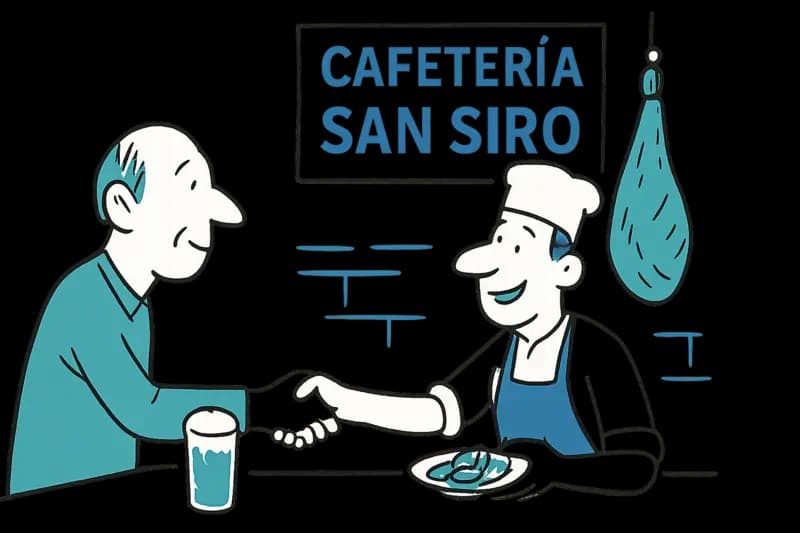
Cafetería San Siro: A Meeting Place on Schinken Street Since 1966
In the middle of Schinken Street, Cafetería San Siro has been offering Mallorcan hospitality for more than six decades —...

From Ballermann to Prison: What the Verdict Against the Femina Operator Means for Palma
The Munich Regional Court convicted a German operator for subsidy fraud. What does the verdict mean for the Femina Club,...
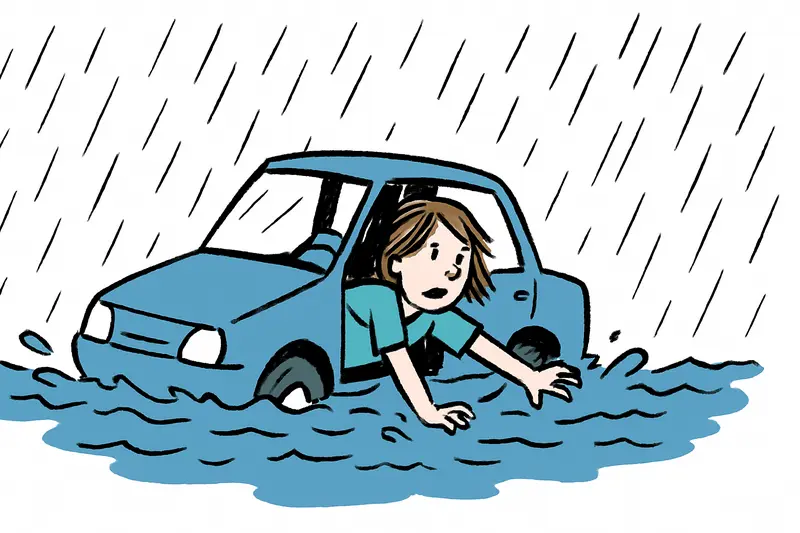
Underpass Verge de Lluc: 19-year-old fights her way out of flooded car – a warning sign for Palma
A 19-year-old recently escaped swimming from her car after the Verge de Lluc underpass held up to one and a half meters ...

When the Floodgates Open Again: Why Palma's Floods Aren't a Coincidence
A sudden heavy downpour around 5 p.m. brought Palma to a standstill: flooded streets, full basements, panicked commuters...
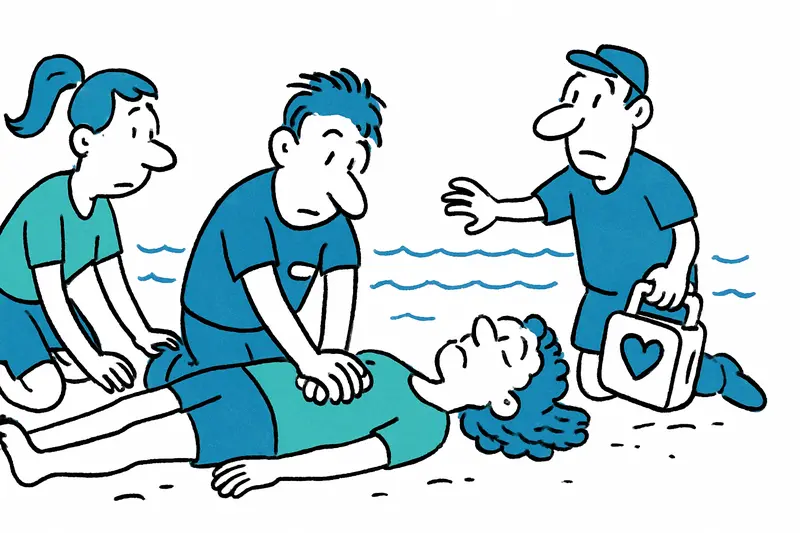
Playa de Palma: Life-saving at Balneario 11 – Lifeguards Act Quickly
A German holidaymaker suffered cardiac arrest at Playa de Palma. Lifeguards resuscitated her on the beach; emergency ser...
More to explore
Discover more interesting content

Can Cap de Bou

Townhouse Lleo 72
