

Solar Eclipse on August 12: Are Mallorca's Closures Enough to Protect the Island and People?
Solar Eclipse on August 12: Are Mallorca's Closures Enough to Protect the Island and People?
The Balearic Islands plan road closures, nine official observation sites on Mallorca and 22 maritime units. Our reality check: what works in the concept, what's missing, and how to prevent chaos and fire risk?
Solar eclipse on August 12: Are Mallorca's closures enough to protect the island and people?
A reality check on traffic policy, nature conservation and everyday practicality
The facts are clear: For the total solar eclipse on August 12, 2026, authorities have announced a rough network of measures. On the archipelago 26 official observation zones will be set up, nine of them on Mallorca; on the island, among others Maioris (with the route to Tolleric), a car park near Petra, the football fields in Pina and Algaida, Santa Ponça, the Porreres bypass, Playa de Palma and the Son Matamoros circuit near Felanitx are to serve as safe gathering points. Authorities expect tens of thousands of visitors; the capacity of the designated sites is estimated at around 300,000 people, and hotels in Sóller are almost fully booked for the 2026 solar eclipse. Roads to sensitive locations – from accesses to the Tramuntana to popular beaches and viewpoints – are to be monitored from the morning and closed on a large scale by the afternoon at the latest; 22 boats are planned at sea, plus drones, helicopters and environmental police deployments.
Key question: Are these measures sufficient to steer crowds, protect nature and provide quick help in an emergency? And: are the plans practical for the people who live here?
Critical analysis: On paper much exists – observation zones, exemptions for residents and emergency services, maritime surveillance. In practice several problem areas remain. First: traffic management only works if alternatives are offered. Many of the blocked access routes lead to areas without adequate park-and-ride options or without strengthened bus connections. Someone who in the afternoon spontaneously heads toward the Tramuntana will be turned away at a barrier – and may seek a side road or a beach that is not controlled. That shifts the problem instead of solving it.
Second: communication. Multilingual signs, up-to-date traffic reports on the radio and clear app usage are necessary. An official list with opening times, closure times and exemption conditions is not sufficient if it is not updated in real time. Third concern: infrastructure at the observation sites. Toilets, drinking water, waste disposal, medical first aid – without these basic elements scenes may occur that nobody needs.
What is often missing in the public discourse: the perspective of residents in municipalities with temporary closures. An elderly man in Andratx who goes to the market every day, or a self-employed person in Porreres who has an evening shift that night, need practical permits and proof systems. Nor has the impact on emergency routes been discussed loudly so far: designated escape routes and kept-clear corridors are useless if cars are parked on side roads because the main access is closed.
An everyday scene from the island: In the morning in front of a café on Passeig Mallorca the crockery clatters, the sun beats down, tourists order ice cream. A couple in hiking boots discuss the closure to the Serra de Tramuntana; a policeman checks parking permits, a small van with the logo of a catering company tries to get through. Such moments show that planning and actual movement flows diverge widely – the chaos does not start at totality, it begins with the first traffic diversion in the afternoon.
Concrete proposals that would improve the concept: 1) Park-and-ride systems at several points with intensified bus schedules late into the night; 2) a digital permit system for residents and proof for booked guest beds, checkable by QR code; 3) temporary pedestrian and bicycle corridors to relieve local short-distance traffic; 4) mobile sanitary facilities and drinking water stations at all official observation sites; 5) fire brigade and firefighting water depots in sensitive forest areas that can be activated at short notice (Over 100 emergency responses after storm in the Balearic Islands); 6) clear rules for boat behavior in anchorages and hotspots, combined with an expanded presence of sea rescue services; 7) a real-time communication channel (regional/Spanish/English/German) via VHF radio, official social media verification and local loudspeaker announcements.
Particularly important: de-escalation on site by trained volunteer teams. Locals can inform visitors, convey simple rules and thus relieve the police. Municipalities could also designate emergency meeting points so that people do not flee aimlessly into side valleys after a closure.
In conclusion a pointed verdict: The Balearic measures show that authorities recognize the danger – but planning alone prevents neither crowding nor fire. Those who want to prevent the Tramuntana or small coves from being damaged by a wave of visitors must take the final step now: upgrade infrastructure, create real alternatives to cars and take the everyday needs of local people seriously. Otherwise the solar eclipse will become a test run for what can go wrong at major events.
Frequently asked questions
Will Mallorca's traffic restrictions during the August 12 solar eclipse affect my travel plans?
What are observation zones for the solar eclipse, and where on Mallorca will they be?
Will residents have any special access or permits during the closures?
What are the main concerns about Mallorca's eclipse plan?
What practical improvements could make the eclipse event smoother for everyone in Mallorca?
How might the closures affect residents in towns like Andratx, Porreres, or Santa Ponça?
Can the eclipse plan truly protect Mallorca's natural areas like the Tramuntana or coastal coves?
When will observation zones open and how should visitors prepare in Mallorca for the eclipse day?
Similar News

Rental Car Theft in El Arenal: What This Incident Reveals About Our Gaps
A teenager steals a running rental car in El Arenal, flees on foot, climbs over walls and is caught by the Guardia Civil...
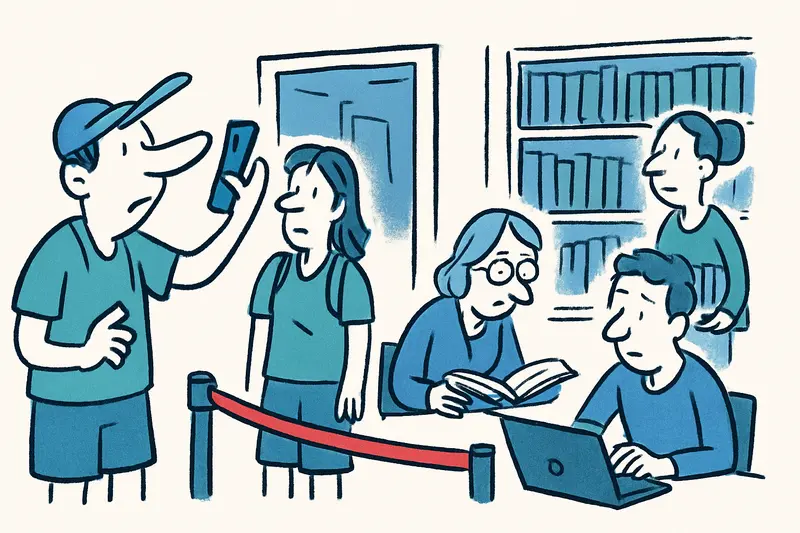
Red Rope in Palma's Library: What Helps Against Selfie Tourism — and What's Missing
Palma's city library cordoned off an area with a red rope to keep selfie tourism away from reading and working activitie...
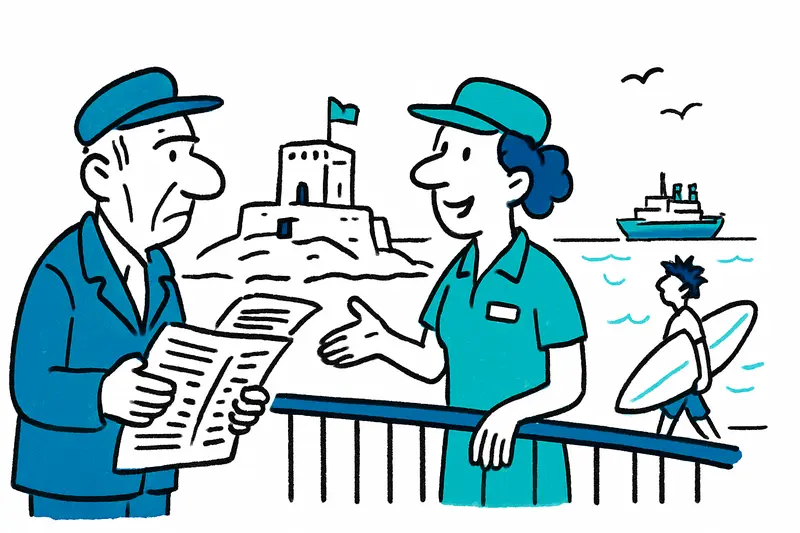
Fort San Carlos: Museum, Harbor Dispute — and a Conflict That Demands Answers
The military museum at Fort San Carlos sits right on Palma's harbor, with unexpectedly quiet rooms filled with cannons a...
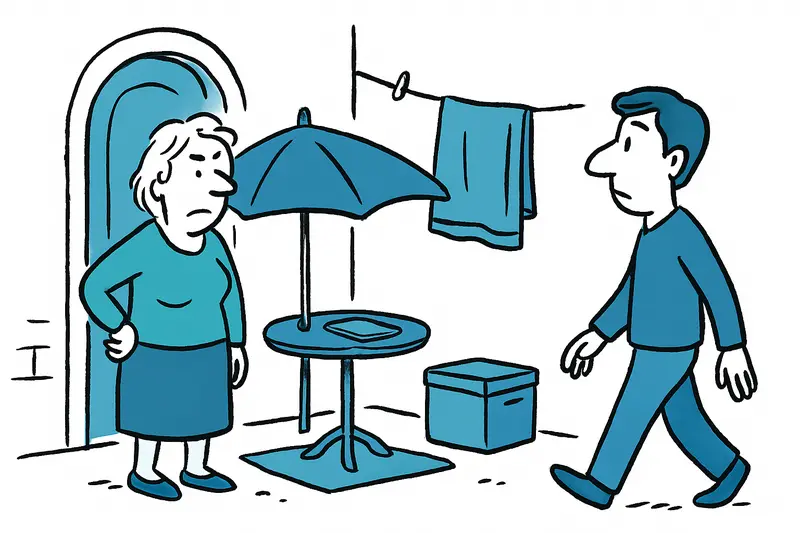
Old Town Under Pressure: When a Doorway Becomes a Sleeping and Shower Place
For months a woman has been living with a parasol, a clothes rack and personal belongings next to the social welfare off...

When Shopping Weighs Heavier: Mallorca Demands a Tax Pause on Food and Fuel
Rising prices are putting pressure on households and agriculture. The Balearic Islands are calling for temporary tax rel...
More to explore
Discover more interesting content

Can Cap de Bou

Townhouse Lleo 72
