
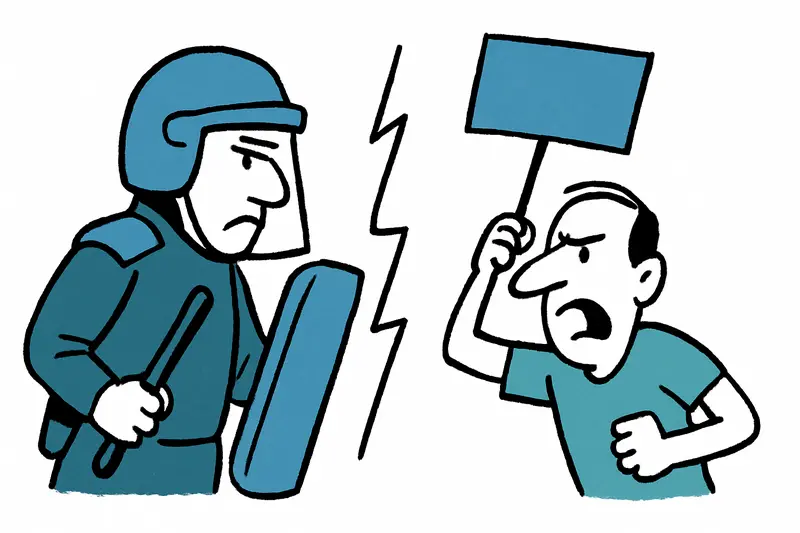
Barracks Rhetoric in Mallorca: Deterrence Instead of Debate – Who Protects the Right to Protest?
Barracks Rhetoric in Mallorca: Deterrence Instead of Debate – Who Protects the Right to Protest?
Days before a major demonstration in Palma, the Guardia Civil and National Police are hardening their tone: arrests, covert investigations and preventive operations against activists raise questions about the protection of protest and public safety.
Barracks Rhetoric in Mallorca: Deterrence Instead of Debate – Who Protects the Right to Protest?
Leading question
Should police displays of force replace the hardly negotiated question about the relationship between tourism, living space and property — or does the island precisely need more room for dialogue instead of large-caliber deterrence?
Critical analysis
In recent days the Guardia Civil and the National Police have sharpened public language considerably: the unanimous message is that those who commit crimes against tourist facilities will be arrested and brought to court, a tone echoed in Palma's local police threaten protests — officers' patience has run out. The background is a large demonstration registered for July 26 in Palma against mass tourism and gentrification, and ongoing investigations following several acts of property damage; the city has also recently been the focus of reports such as Palma after the Protest: How Freedom of Expression and Everyday Life Can Be Balanced. Two arrests are known after an action on May 31 in Santa Maria del Camí, in which several real estate agencies were damaged; investigations continue and further measures are expected.
Police presence and preventive operations at potential action sites — including real estate agencies — are legally permissible when they serve danger prevention, a point discussed in Palma Tightens Controls: More Security — or a New Punitive Culture?. It becomes problematic when the security forces' toolkit overshadows the public debate about the causes of the protests. Then the impression arises that protest is primarily criminalized instead of being taken seriously as a political signal.
What is missing in the public discourse
The current constellation reveals several gaps: first, there is no transparent forum in which the growing tensions between residents, investors and administrative bodies can be openly negotiated. Second, there is a lack of clarity about the threshold between civil disobedience, criminal violence and political protest. Third, we see too little independent follow-up of incidents involving real estate companies, which are regularly the target of criticism, for example because of vacancies, short-term rentals and price increases.
Everyday scene from the island
Whoever walks through Santa Maria del Camí in the morning smells the strong coffee from the bar on the plaza and hears the municipality's street sweepers. Along the main road older women sit and exchange the latest rumors about rising rents and vacant houses. In such moments the anger is tangible, but it initially appears as complaints at the bakery, not as criminal acts. When the same mood then results in sticker campaigns, broken windows or aggressive slogans, the line is quickly crossed — and the response from the security forces is harsh and visible.
Concrete approaches to solutions
1) Establishment of a publicly visible mediation forum: The island council could quickly promote moderated citizen panels in which affected neighborhoods, representatives of landlords, municipalities and tourism authorities participate. Such forums must have binding tasks: concrete proposals on vacancy, rent controls and municipal use of properties.
2) Transparency in investigations and targeted police work: Police measures against violence and vandalism are necessary, but they should be clearly separated from measures that affect freedom of expression. An independent complaints office and regular situation reports — without endangering operational details — would strengthen trust.
3) Preventive municipal measures: Cities like Palma or Santa Maria del Camí could quickly introduce vacancy registers, temporary municipal taxes on non-use and incentives for socially subsidized housing. This takes away some of the slogans from the protests and demonstrates concrete political will.
4) Lawful spaces for protest: Clear rules for demonstrations and meeting places, coupled with offers for dialogue, prevent escalation, as debates over Evening Road Closures in Palma: Between the Right to Protest and Traffic Chaos show. An independent observer group (civil society actors, lawyers, city councilors) could assess incidents and make recommendations for police behavior.
5) Education and communication: Publicly funded information campaigns on rights, duties and legal forms of protest help channel emotions into constructive paths. At the same time, authorities must better explain which steps are being taken against illegal rentals or speculation.
Concise conclusion
The situation is not only a question of order versus disorder. If the police and judiciary alone supply the catchphrases, the island loses the chance to address the causes of discontent. Mallorca does not need barracks rhetoric, but an honest struggle over rules for tourism and coexistence — accompanied by clear, lawful enforcement against criminal acts. In the short term deterrence may prevent crimes; in the long run politics must deliver solutions that reduce social pressure before the streets become louder than the negotiation space.
Frequently asked questions
When is the best time to visit Mallorca for nice weather and fewer crowds?
Are Mallorca’s beaches good for swimming, and what should I watch for?
What should I pack for a Mallorca trip to stay comfortable?
What is the weather like in Mallorca across the seasons?
What outdoor activities are popular in Mallorca, and when is the best time to try them?
Is Mallorca suitable for a family trip, and what should families consider?
What’s the best way to get around Mallorca?
What should I know about staying in Palma de Mallorca?
Similar News

Rental Car Theft in El Arenal: What This Incident Reveals About Our Gaps
A teenager steals a running rental car in El Arenal, flees on foot, climbs over walls and is caught by the Guardia Civil...
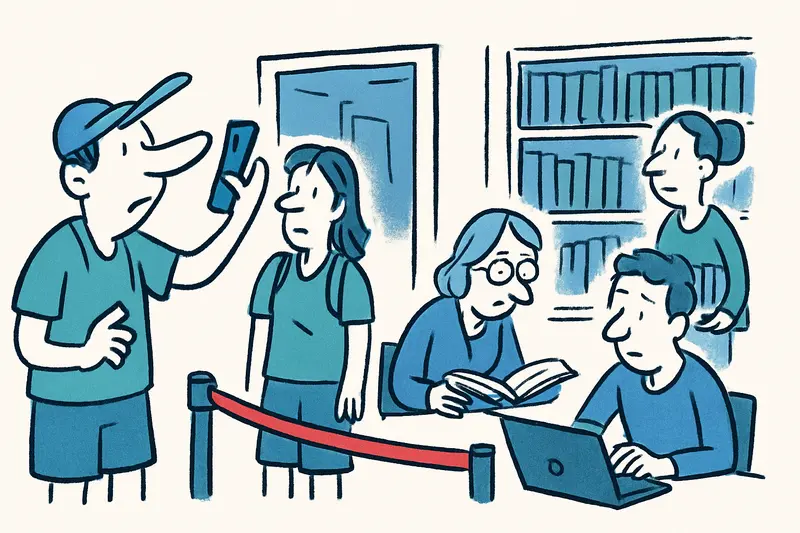
Red Rope in Palma's Library: What Helps Against Selfie Tourism — and What's Missing
Palma's city library cordoned off an area with a red rope to keep selfie tourism away from reading and working activitie...
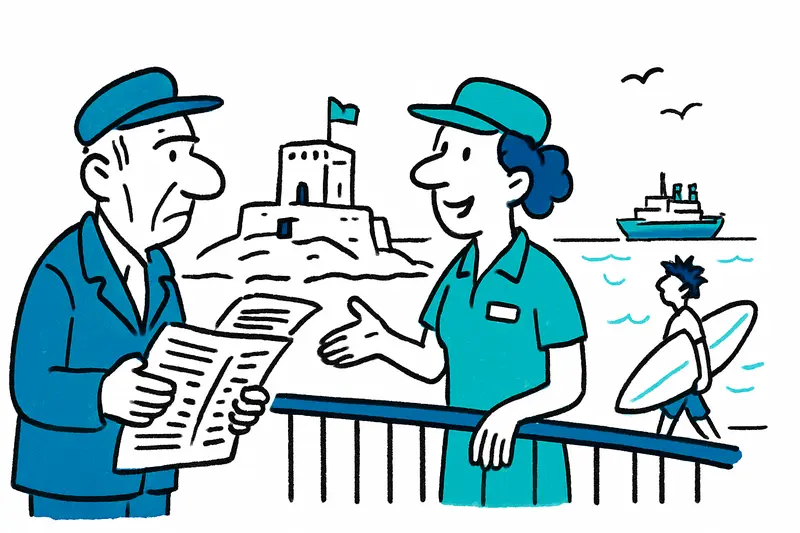
Fort San Carlos: Museum, Harbor Dispute — and a Conflict That Demands Answers
The military museum at Fort San Carlos sits right on Palma's harbor, with unexpectedly quiet rooms filled with cannons a...
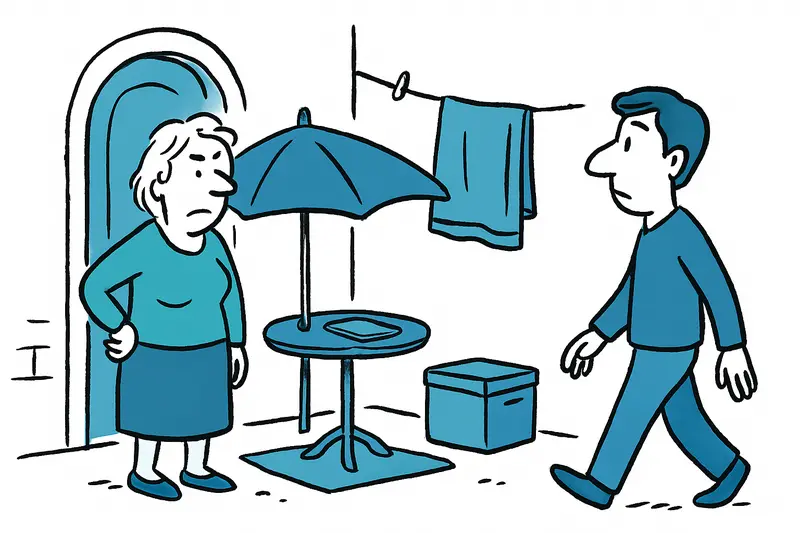
Old Town Under Pressure: When a Doorway Becomes a Sleeping and Shower Place
For months a woman has been living with a parasol, a clothes rack and personal belongings next to the social welfare off...
When Shopping Weighs Heavier: Mallorca Demands a Tax Pause on Food and Fuel
Rising prices are putting pressure on households and agriculture. The Balearic Islands are calling for temporary tax rel...
More to explore
Discover more interesting content

Can Cap de Bou

Townhouse Lleo 72
