
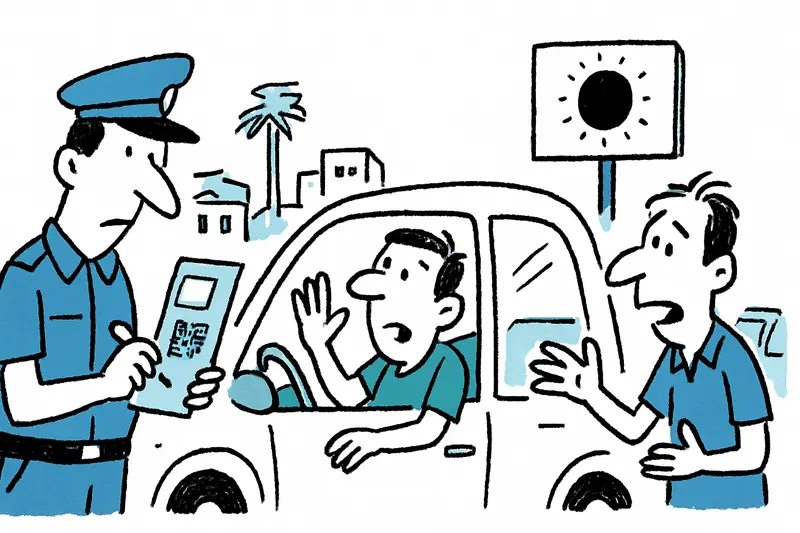
Solar eclipse closures: Is Mallorca's traffic plan fit for the surge?
Solar eclipse closures: Is Mallorca's traffic plan fit for the surge?
The Balearic Islands will close access to around 20 viewpoints and beaches between 3pm and 9pm. Key question: do the measures protect emergency routes — or do they just shift the chaos elsewhere? A critical overview with everyday scenes, gaps in the plan and practical proposals.
Solar eclipse closures: Is Mallorca's traffic plan fit for the surge?
Key question
Key question: Are the closures from 3pm to 9pm, which in some places already begin earlier, sufficient to safely manage the expected traffic — or do the measures merely move the problem to other locations?
Critical analysis
The authorities have reacted clearly: access to around 20 natural areas, lighthouses, viewpoints and beaches will be either fully closed or heavily restricted during the core time of the solar eclipse. The regulation generally applies from 3pm to 9pm; at Playa de Palma a special plan already takes effect from 8am, and Santa Ponça is closing a day earlier. The goal is sound: keep emergency routes clear and avoid chaotic traffic jams. Nevertheless, there are tangible problems. Closures on main access roads — Ma-10, Ma-4011, Ma-2210, Ma-2130 and others — push traffic into side roads and villages. When parking areas fill up, the police will bring forward or extend the closures: that is necessary, but also an admission that capacity estimates are hard to keep stable.
What is missing in the public debate
It is often overlooked how people arrive: many by rental car, some by bicycle, others on foot. Communication is handled technically — QR-code permits for Playa de Palma, proof for residents, hotel guests must show booking confirmations — but real-time information on the ground is less clear. Where can those waiting see that a viewing spot is full? Which routes are recommended in advance? How is it ensured that people with reduced mobility are not turned away? And finally: how good is the offer of alternatives when a destination is full? These questions receive too little attention in the official plan.
An everyday island scene
Picture Playa de Palma in the morning: buses honking, the Passeig smelling of sunscreen and fried fish, taxi drivers quietly arguing prices with guests while police check lists and scan QR codes. Later in the evening, around 8:30pm, the island will hold its breath for a minute or ninety seconds — but the hours before are nerve-wracking. On narrow mountain roads, for example to Cala Deià or Puig de Sant Salvador, a single badly parked van is often enough to leave ambulances stuck at a bottleneck.
Concrete solutions
1) Clear, early signage: digital signs on main access roads that show in real time whether a viewing spot still has capacity. This would prevent long walks into narrow streets.
2) Park-and-ride points: conveniently located, supervised parking with shuttle buses to official viewing areas such as Son Matamoros (Son Matamoros is designated as a viewing site; access to Puig de Sant Salvador will be closed to general traffic from 3pm; maximum 800 vehicles at Son Matamoros).
3) Reserved emergency corridors: clear markings and physical barriers for a permanent passage of emergency and service vehicles — not just a promise on paper.
4) Accessible rules: simple special permits for people with mobility impairments and separate drop-off areas close to access points.
5) More frequent, visible bus connections: increased frequency during critical hours and information in multiple languages so tourist groups can switch transport modes.
6) Controlled occupancy displays: operators of official sites should provide live counters; police could use these displays to guide decisions.
What could be done immediately
The authorities already have a tool: the QR-code permit for Playa de Palma (registration of businesses, checks by the municipal civil protection; information phone number: 971 22 58 92). This system could be expanded at short notice: allow limited, time-staggered entries instead of one-time permits; automated SMS warnings when a spot is running low; and an open dashboard for residents, taxis and bus operators.
Pithy conclusion
Closing access points is the right idea. But closures alone are not a traffic plan. Without clear, visible alternatives and without real-time information, the island risks clogging its side roads — on the very evening when thousands seek a brief moment of calm and wonder. A bit of pragmatism, a few extra buses and some well-placed signs could turn a potential traffic stress test into a controlled event. The island has the experience and infrastructure; now it needs the final pragmatic steps so that totality doesn't happen stuck in traffic.
Frequently asked questions
When is the best time to visit Mallorca for pleasant weather and fewer crowds?
Can you swim year-round in Mallorca, or is it mainly a summer destination?
What should I pack for a Mallorca trip?
What’s the best way to get around Mallorca?
What outdoor activities are popular in Mallorca?
Are Mallorca beaches suitable for families?
What local dishes should I try in Mallorca?
How should I plan a relaxed Mallorca itinerary to balance sights and downtime?
Similar News

Photographing a Solar Eclipse Safely: How to Protect Your Eyes and Phone in Mallorca
In the evening the island briefly grows dim. With a few simple preparations you can capture the atmosphere without riski...
Hachiko dead: An accident, deep sorrow — and the question of what dog protection on Mallorca should improve
The dog of actor Martin Semmelrogge was found dead after a desperate search. A look at the events, what's missing from t...
Cristiano Ronaldo and Georgina Rodríguez: Wedding after Mallorca Stay — a Family Celebration
The couple shared a photo of their wedding rings on Instagram. After days on a luxury yacht off Mallorca, they reportedl...
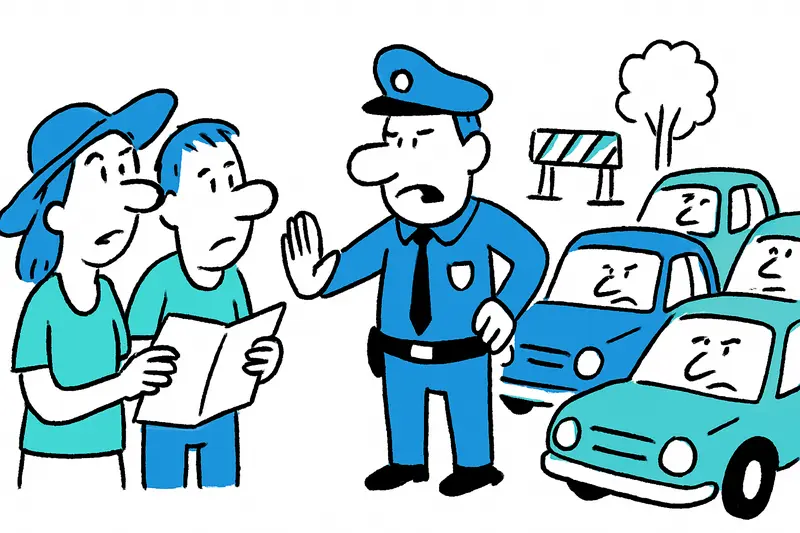
Is the traffic plan sufficient for the solar eclipse? A reality check for Mallorca
On August 12 authorities will close access roads to around 20 natural sites. We ask: Can the plan withstand the rush of ...
Rental car drivers in Mallorca: What you face — and why fines are only half the solution
Cigarette butts, cans, bags: Those who throw waste from their car in Mallorca risk up to €500 fine and six penalty point...
More to explore
Discover more interesting content

Boat Tour with BBQ along Es Trenc Beach

Private transfer from Mallorca Airport (PMI) to Pollensa
