
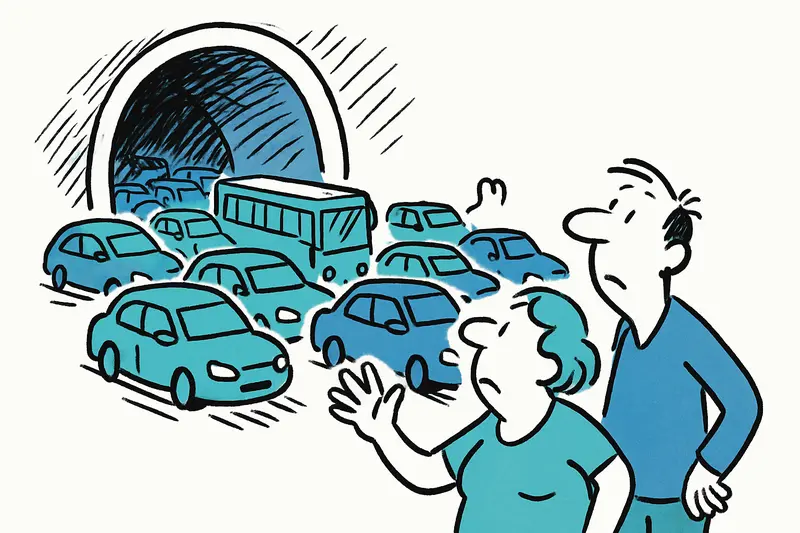
Soller Tunnel: Daily Record and the Problem Behind It
On July 24 something happened that many here had only heard about: more than 18,000 vehicles rushed — or stalled — through the Soller Tunnel. What does this peak say about our infrastructure and which quick countermeasures are available for the valley?
Soller Tunnel reports a daily record — and we should take a closer look
July 24 was one of those days when the valley goes haywire: cloud-covered sky, a hint of drizzle, and suddenly life on the Ctra. de Soller comes to a halt. The counting stations recorded more than 18,000 vehicles through the tunnel that day, as reported in Récord en el túnel de Sóller: más de 18.000 vehículos el 24 de julio — a clear signal that our roads do not cope well with short-term rerouting.
The key question: How resilient is the valley's traffic system?
This number raises the central question: how do we prepare the valley for such sudden surges in traffic? On July 24 it was not a major event, but the weather — the coast facing grey skies, the “Operación nube” — that prompted thousands to change their beach plans and head inland. The result: buses, rental cars, commuters, deliveries and taxis all pushed through the tube between Palma and Soller at the same time.
Anyone who stood there at midday knows the sound: windshield wipers in unison, radios with announcements, the click of wet shoes at traffic lights. At the access road taxi drivers waited in soaked jackets, and at the bus stop people muttered because timetables became irrelevant. Such scenes reveal more about system weaknesses than any statistic.
What is often overlooked
We quickly talk about numbers but forget three things: first, the island's mobility is changing — rental fleets and day-trippers react immediately to weather and prices. Second, there are hardly any practical alternative routes: the mountain road is no option for many in rain or poor visibility. Third, congestion affects more than holiday mood: emergency services, supply chains, commuters and local businesses suffer immediately. A teacher reported that a usual 35-minute drive became almost two hours. Those minutes add up to lost work, shortened shifts and annoyed guests.
Which measures help in the short term?
Police manual work is important, but with six-figure daily numbers it's only a makeshift solution. More sensible are coordinated, short-term measures:
1. Real-time information: Dynamic traffic messages via local web info, apps and large LED signs such as variable message signs at the approaches could intercept many drivers before they set off.
2. Prioritisation: Temporary bus lanes or priority rules for scheduled buses and emergency vehicles on peak days would increase traffic throughput without new asphalt.
3. Coordination with providers: Agreements with rental car companies and tour operators to stagger pickup times; also consider flexible departures for ferries or tourist trains.
4. Weather-based early warning systems: When “Operación nube” is forecast by AEMET weather warnings, the Consell could activate measures in advance — increased control posts, altered traffic light phases, temporary parking bans at critical spots, similar to recent proposals such as Cierres nocturnos en el túnel de Sóller: desplazamientos, desvíos y soluciones inteligentes.
5. Promotion of alternative routes: Short term: better signage for mountainous detour routes. Medium term: developing and promoting valid alternatives like the Ferrocarril de Sóller as a genuine mobility option on grey summer days.
Long-term view: capacity versus quality of life
The record day reveals something fundamental: our infrastructure is very sensitive at peak moments. Expansion is expensive and not always politically desired — but clever management can achieve a lot. A combination of data collection (more sensors, improved traffic models), targeted investments in public transport and smarter coordination of tourism offerings can make the valley more resilient.
And yes: it's also about fairness. When commuters, parents and local businesses suffer daily from spontaneous congestion, it's not just a comfort issue but an economic and social burden.
Five practical tips for the next rainy days
For those who don't want to wait for perfection: travel earlier or later, check local web info, use buses if possible, carpool and, if time allows, take the relaxed mountain road. Small tip: a thermos in the glove compartment makes traffic jams more bearable.
July 24 was a wake-up call. Records belong in statistics, not in people's daily lives. Whether the authorities learn from that day and let the valley flow better next time it rains will be shown by the next cloudy days. Until then: breathe in, close the windows, and hope the coffee lasts.
Frequently asked questions
Why does traffic in the Sóller Tunnel get so bad on rainy days in Mallorca?
How much traffic can the Sóller Tunnel handle in Mallorca?
What should I do if I need to drive to Sóller in Mallorca when it might rain?
Is there a good alternative to the Sóller Tunnel when traffic is heavy in Mallorca?
Can the Ferrocarril de Sóller be a useful alternative for travel in Mallorca?
What traffic measures could help the Sóller area in Mallorca during busy weather days?
How does bad weather affect daily life in the Sóller valley in Mallorca?
What are the best tips for getting through a traffic jam in Mallorca?
Similar News
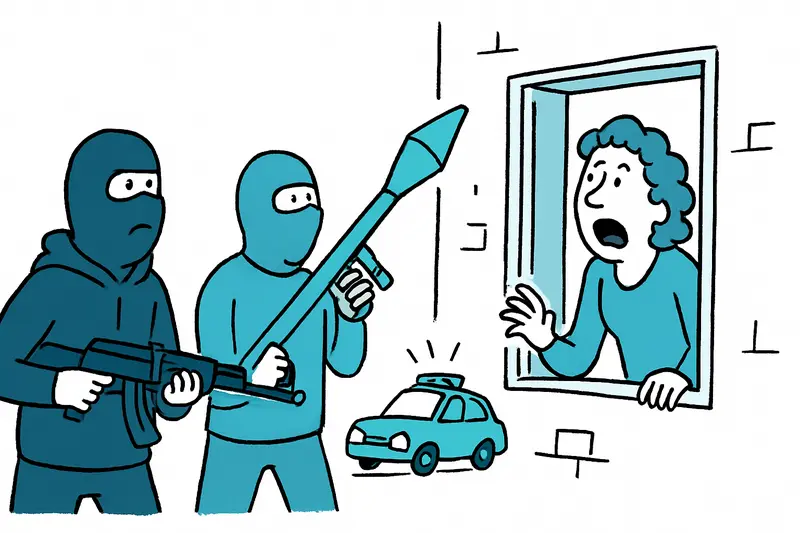
Masked Images, Real Panic: When Social Media Aesthetics Alarm Neighbors
Five German content creators filmed on a recently vacated detention site using deceptively realistic props. The result: ...
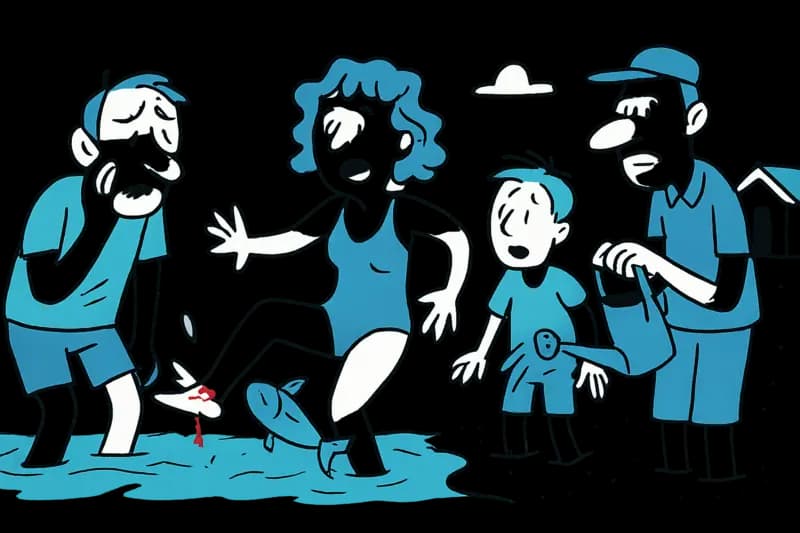
Why the Striped Breams in Cala Pí Should Be a Wake-up Call
Once again bathers in Cala Pí were surrounded while swimming by small, nippy fish — some wounds bled. Time for clear rul...

Daily from New York: How Palma's Air Traffic Is Growing — and What Must Change
United will increase the Newark–Palma service to daily flights in 2027 (Boeing, 231 seats). Strong tourist numbers clash...

When Love Ends in Shards: Destruction in Son Vida and the Questions That Remain
In Son Vida a relationship dispute escalated: a woman destroyed furniture in a luxury villa, later pressed a panic butto...

Who Bears the Burden? Mallorca Between Tenant Protection and Landlord Fears
Madrid's new housing decrees strengthen tenant rights — but on Mallorca concern is growing: will the law drive small lan...
More to explore
Discover more interesting content

Can Cap de Bou

Townhouse Lleo 72
