
Son Reus Animal Shelter Under Fire: Key Question, Analysis and a Plan for the Dogs
Son Reus Animal Shelter Under Fire: Key Question, Analysis and a Plan for the Dogs
Volunteers accuse Son Reus's new management of mistreatment, excessive stress and opaque rules. The city denies this. What's missing from the dispute, and how can the dogs' welfare really be secured?
Son Reus Animal Shelter Under Fire: Key Question, Analysis and a Plan for the Dogs
Volunteers' accusations against the new management meet the city's defence – how much protection remains for the dogs?
Key question: Do the current rules in Son Reus protect people or animals – or do they lead both into a dead end?
Since the change of operator in the summer, volunteers from Son Reus have been sounding the alarm. This mirrors concerns in other shelters, such as 30 años de SOS Animal en Mallorca: entre celebración y reflexión.
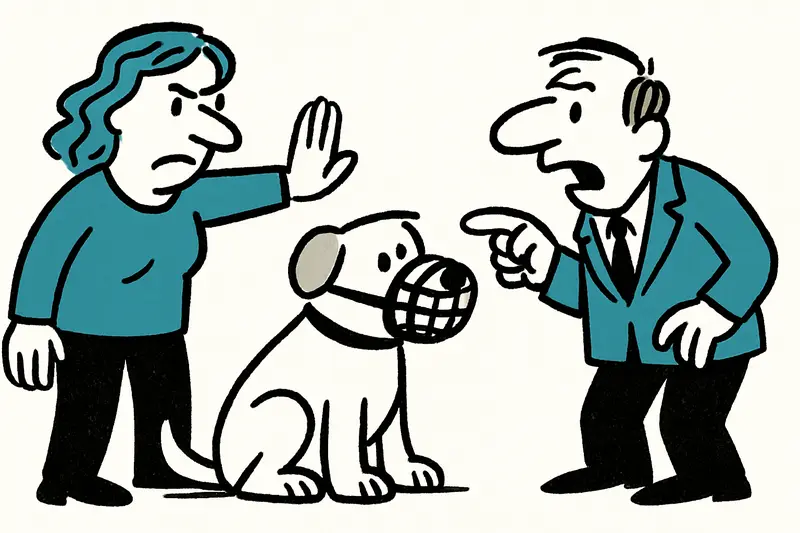
They report dogs that must constantly wear muzzles, shortened walks, young and inexperienced staff, and the reduced visibility of large dogs behind fences. At the same time, the city emphasizes that applicable regulations are being implemented and that an unusually large amount of money has flowed in recent months. The issue smells of a conflict between risk assessment and everyday animal welfare. High-profile cases such as Horror at Palma Port: 27 Dogs Dead After Ferry Crossing — What Went Wrong? highlight the stakes.
The allegations are concrete: muzzles without a transition period, restrictions on access to exercise areas, reduced walking teams and young staff with little routine. A petition on change.org underlines the unrest among helpers; similar public outrage followed the case Perra en un contenedor de basura: lo que el caso de Pollença revela sobre nuestra relación con los animales. The facts package also reveals that the long-standing director was dismissed and several changes in leadership took place; an interim management currently runs the shelter.
Critical analysis: From the volunteers' perspective it's not just about rules, but about implementation and consequences. A muzzle as a safety tool can make sense when used selectively and temporarily. It becomes problematic when applied broadly and permanently without accompanying measures such as behaviour training or comfort time. Reduced walks and cramped living areas increase stress, noise and aggression – a vicious circle that makes rehoming harder.
The city argues with regulations and investments. That leaves two questions open: Who independently checks whether the rules are applied in a practical way? And why do investments not automatically lead to better care if staff, organization and volunteer work do not grow along with them?
What is missing from the public debate: First, transparency. Rules are being cited, but no concrete protocols, inspection reports or figures on walking times, kennel occupancy and veterinary visits are published, as in cases like Neglected Horses in Son Gual: Why Animal Suffering on Mallorca Often Remains Hidden. Second, an honest discussion about staffing structure: how many permanent caregivers, how many temporary staff, what qualifications do new employees have? Third, the animals' perspective, measured by stress indicators or behaviour tests, is hardly mentioned. Such data would help separate factual decisions from emotional debates.
An everyday scene in Mallorca: On a cool morning along the road to Valldemossa a volunteer opens the gate. The smell of wet fur mixes with the petrol scent of passing cars. A chorus of barking echoes from the kennels; an older shepherd dog presses his nose against the fence as if to say: "Will you walk me today?" A young staff member with a thermos and red gloves pushes two muzzles into a box. People hurry past, dogs watch. This is where the drama takes shape: animal welfare is not an abstract law but this smell, this barking, this hope in an animal's eyes.
Concrete solutions that consider both safety and animal welfare:
1) Independent, regular inspections: External veterinary teams and animal welfare experts should check at least quarterly how muzzle rules, walking times and exercise areas are implemented. The results should be published online.
2) Clear, animal-centred muzzle policy: Use muzzles only after an individual risk assessment and with transition and training phases. Permanent muzzling without documentation prevents trust and socialisation.
3) Minimum standards for walks: A binding ratio of handlers per dog, scaled by size and behaviour, plus minute/kilometre targets per week for exercise.
4) Qualified onboarding: Young staff need structured training, mentoring programmes with experienced volunteers and mandatory continuing education in dog behaviour.
5) Visibility of large dogs: Design areas so visitors can see the animals, for example with raised platforms or transparent fencing, without jeopardising safety.
6) Involvement of volunteers: A binding committee of volunteers, veterinarians and city representatives to participate in setting everyday rules.
These measures require time and money, but they address the core problem: investments without participation and independent oversight are not enough. The city has promised funds. Now it matters how they are used.
Punchy conclusion: Son Reus stands between caution and overreaction. Those who want to protect dogs from risks must not be blind to side effects. The solution needs clear rules, independent checks and the people who work in the kennels every day at the table. Otherwise, in the name of protection, you create the very suffering you wanted to prevent.
Frequently asked questions
What is happening at the Son Reus animal shelter in Mallorca?
Do dogs in Mallorca shelters need to wear muzzles all the time?
What should a good dog shelter in Mallorca provide every day?
Why are Son Reus volunteers in Mallorca protesting the new shelter management?
How can Mallorca animal shelters make sure dogs get enough exercise?
What changes are being proposed for Son Reus in Mallorca?
Why is transparency important in Mallorca animal shelters?
Can Mallorca shelter dogs still be rehomed if they are stressed or reactive?
Similar News

The Painter Who Invented Himself: How a Young Viennese Drew Mallorca
A hundred years ago a 19-year-old draftsman arrived in El Terreno. His diary and sheets, long known under the pseudonym ...

Released with Conditions: The Plus Ultra Suspicion and a Mallorcan Finca as Residence
A Dutch entrepreneur, sought in connection with the Plus Ultra case, was extradited to Spain after his arrest in Germany...

Haute Nuit in Puerto Portals: Fashion, Art and Indulgence by the Water
On October 2 the Lobster Club in Puerto Portals will be transformed into a stage for curated fashion, art and culinary e...
Magaluf: Watchtower Alarm – Lifeguards Pull Unconscious Beachgoer from the Water
After a drama in the late afternoon, two lifeguards at Magaluf beach rescued an unconscious 44-year-old man. He was stab...

Turquoise in the City: How dangerous is the color play of the Sa Riera?
The Sa Riera in Palma suddenly turned turquoise — a pretty motif, but behind the effect lies a discharge of saline waste...
More to explore
Discover more interesting content

Can Cap de Bou

Townhouse Lleo 72
