
Reality check from Son Vida: Retiree collapses in hotel sauna – what this incident should really tell us
Reality check from Son Vida: Retiree collapses in hotel sauna – what this incident should really tell us
An elderly guest was found unconscious Saturday afternoon in the sauna of a five-star hotel in Son Vida and taken to Son Espases hospital. We take a closer look: risks, gaps and solutions.
Reality check from Son Vida: Retiree collapses in hotel sauna – what this incident should really tell us
Saturday, around 4 p.m.: an emergency call, a hospital, many questions
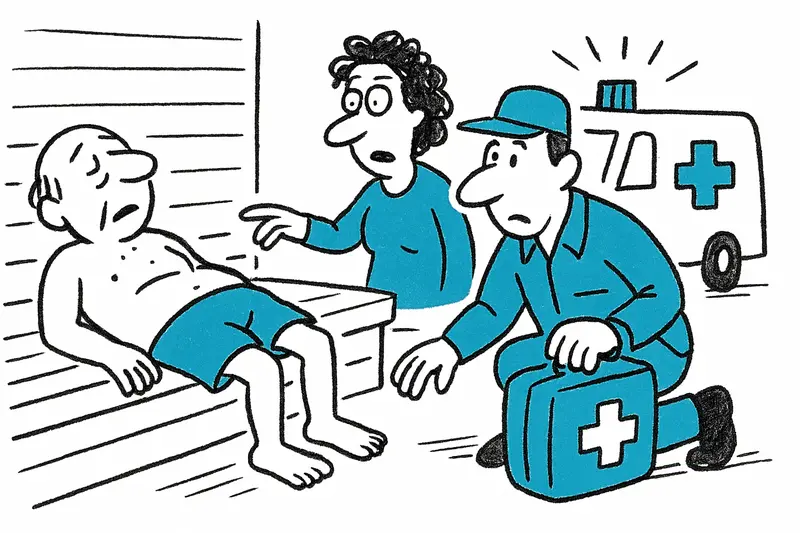
On Saturday afternoon, a brief moment of panic unfolded in the otherwise quiet villa district of Son Vida: staff at a five-star hotel found an elderly man unconscious in the sauna of the hotel's fitness area. Within minutes several ambulances and police vehicles arrived, the patient received on-site care and was then taken to Hospital Son Espases, where he was admitted. The man's nationality was not disclosed.
Key question: How safe are hot spaces like saunas for older guests — and how good is emergency preparedness in Mallorca's luxury hotels, really?
The scene itself could have been seen more often on a quiet Son Vida Saturday: the soft rustle of pine trees, a golf buggy in the distance, chauffeurs at the entrance, the voices of cleaning staff. Then the beeping of radios and the wail of sirens — for a moment the calm is gone. Such short, loud moments show how quickly routine can turn into an exceptional situation.
Critical analysis: Saunas are relaxing for many people, but they can be dangerous for older guests or those with cardiac conditions. Heat causes blood vessels to dilate, blood pressure to drop and, with dehydration, can lead to circulatory collapse. Medications taken by many retirees amplify these effects. In a hotel context additional factors come into play: self-service in enclosed spaces, lack of permanent supervision, guests' varying language skills and often unclear responsibilities for first aid, as highlighted by a recent spa incident in Magaluf.
What is missing from the public discourse: transparent information from hotels after such incidents, even in cases such as the Dead Tourist at Playa de Palma: An Accident Raises Many Questions. The guest's origin, medical history or even details about available emergency equipment (defibrillator, first aid kit) usually remain undisclosed — understandable for privacy reasons, but unhelpful for the prevention debate. Equally rare is public information about whether staff receive regular first-aid training or whether hotels have binding internal rules for using wellness facilities.
Concrete gaps that stand out: warning notices about risk groups at doors, temperature limits, simple checkboxes at check-in (e.g. heart problems, blood pressure medications), clear responsibilities for supervision in sauna areas and visibly accessible emergency equipment. That ambulances are on site "within minutes" is good — but it does not say how long the person's circulation was compromised without help, and response times have mattered in other emergencies such as the Critical Bathing Incident at Arenal.
Concrete solutions for Mallorca hotels and guests:
For hotels: Introduce a minimum standard: visible AED (automated external defibrillator) in the wellness area, daily temperature checks for saunas, mandatory first-aid and AED training for fitness and wellness staff, multilingual warning signs at sauna entrances and a simple risk query at check-in that is sensitively designed and does not demand medical details.
For guests and companions: Before using the sauna, ask briefly: "Is this safe for me?" If you have chronic conditions, consult your doctor or bring a companion. Stay hydrated and shorten sauna sessions. Older guests should not be left alone in enclosed wellness areas.
For authorities and industry associations: Clearly regulate inspections and recommendations for hotel wellness areas. A simple checklist for emergency equipment and staff qualifications could serve as a mandatory minimum standard.
An everyday scene as a reminder: In the mornings you see many retirees with dogs walking along the road by the golf course in Son Vida, later sitting with a cappuccino on the hotel terrace. If those same people use the sauna in the afternoon, the environment should be just as safe as the café. Incidents linked to heat and exertion, such as the heat shock on the quay in Andratx, underline the need for vigilance. Small measures could have a big impact.
Punchy conclusion: Fortunately the sauna incident did not end fatally — nevertheless it is a wake-up call. Hotels, guests and authorities do not need a fundamental debate, but clear, practical rules: visible emergency equipment, trained staff and information instead of speculation. Otherwise the next emergency is only a matter of time.
Frequently asked questions
Are saunas safe for older people in Mallorca hotels?
What should I do if someone collapses in a hotel sauna in Mallorca?
When is sauna use most likely to be uncomfortable or risky in Mallorca?
What should older travellers in Mallorca check before using a hotel sauna?
Does Son Vida in Mallorca have luxury hotels with wellness areas?
Why are hotel sauna areas a concern for safety in Mallorca?
What safety features should a Mallorca hotel sauna have?
Should I drink water before using a sauna in Mallorca?
Similar News
Fewer Airlines, Fewer Destinations: What Palma's Winter Flight Schedule Means for Mallorca
Analysis shows: Winter at Son Sant Joan Airport will be quieter, with significantly fewer airlines and destinations. Who...
German tourist dies in Sa Calobra – a reality check for emergencies on Mallorca's beaches
A 40-year-old tourist died at the Torrent de Pareis. The emergency call, a doctor who happened to be present, a defibril...
Deadly Tractor Accident in Bunyola: What Needs to Be Done Now
In a work accident on an estate near Bunyola, a roughly 40-year-old man lost his life. His wife and a small child were o...
Head-first dive into the shallow part of Cala Fonoll: An accident and the unresolved question of responsibility
A young tourist dove into Cala Fonoll and was seriously injured. Key question: Why are clear warning signs missing at da...
Mistaken identity with fatal consequences: Brutal assault in S'Aranjassa — what's missing in the follow-up?
At S'Aranjassa a visitor to a finca was tied up, beaten and thrown out of a van. Three men have been arrested, including...
More to explore
Discover more interesting content

Can Cap de Bou

Townhouse Lleo 72
