
Sounds of Mallorca: Truc, the loud card game that connects villages
Sounds of Mallorca: Truc, the loud card game that connects villages
In small village bars on the island, Truc is more than a game: it is conversation, theatre and a ritual that spans generations. Why Mallorcans are gathering again around the card table.
Sounds of Mallorca: Truc, the loud card game that connects villages
Why in some bars people don't whisper but bluff — and how Truc builds community
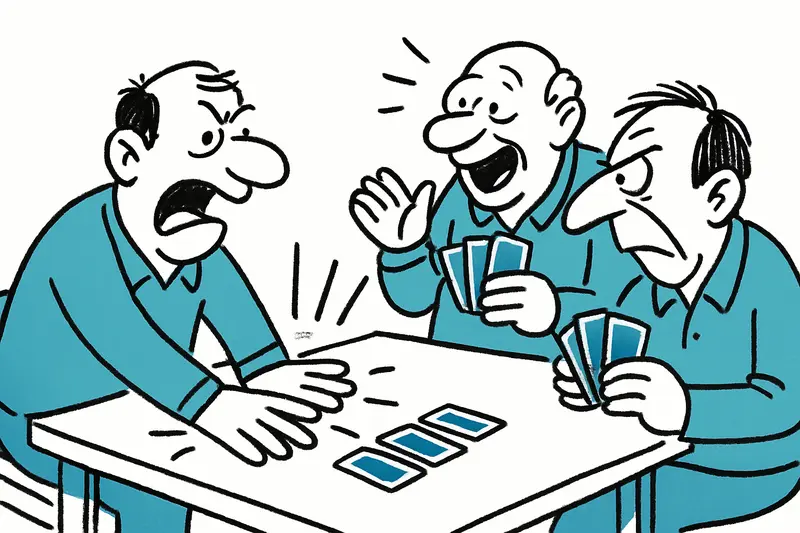
When the evening sun falls on the worn wooden top of a table in a village bar, a sound of its own arises: the shuffle of cards, a hand slapping the wood once, twice, laughter that immediately bounces back. This is not noise without reason; this is Truc. Not the elegant card game from the guidebook, but that lively variant played in bars from Campos to Sóller, loudly declaring: community is being nurtured here.
Unlike quick cellphone games, Truc needs space. Three cards per player, a Spanish deck (Baraja española), and enough nerve to loudly challenge or fold. It's not only about points. Truc works like a little street theatre: who bluffs, who bluffs better, who reads the facial expression. Players use accidental movements as signals, exchange glances with their partner, rely on the right timing — and on the ability to bring others along.
There are organizations in the Balearics that promote the game. The association Som Truc on Mallorca calls itself explicitly that, and players like Pedro Siquier publicly advocate seeing Truc not as a relic but as a living tradition. Tournaments, regular meetups and open game nights now also bring younger people to the tables. The scene is no longer exclusive: women join in, new players watch, learn and bring their own styles.
What I observe in these bars: Truc creates closeness. While traffic rolls by on the main road outside and tablets glow in the cafés, people gather inside who talk, tease and actually look at each other. On the square in front of the bar one might think the island had just conferred with the world — but at the table a simple rule applies: eyes open, ears open, voice on.
The practice of so-called señas — small, hardly noticeable gestures between partners — makes Truc additionally appealing. They are neither standardized nor a secret code for insiders, but arise during play. A twitch, a whisper, a deliberately indifferent look can indicate whether a partner is strong or weak. For outsiders the exact meaning matters less than the art of looking at all.
Why is that good for Mallorca? Because Truc creates places where people come together without anything being sold or posted, a trend noted in Mallorca on a Cultural Course: Short Trips Bring Fresh Energy to the Island. An island that depends on attention from tourism benefits from such genuine meeting points: they strengthen neighborhoods, keep language and gesture knowledge alive and give young people a reason to spend more time in local venues again. This is not a step backward but an exchange of experience: those who know the rules suddenly sit at the same table with the old hands and learn from them — and vice versa.
A look ahead offers a small promise: more open evenings, tournaments with open registration, workshops for the curious. In some places volunteers already organize beginner rounds where no one is laughed at if they don't yet understand the señas. The invitation is simple: go, watch, dare to join. No one expects you to be a master.
Practical tip for visitors: don't give up immediately if you lose the first tricks. Better to watch, use your voice and understand playing as conversation. Those who play in an inviting way will be surprised: Truc rewards the courage to act almost as much as a good card. And in the end it's usually about a round of drinks and stories people later tell on the street.
The conclusion is simple: Truc is not a folkloric postcard but a living way to stay connected on Mallorca. It is a sound that does not make the island louder, but more binding. Anyone looking for an evening away from the promenade (see Fincas, not Deckchairs: Mallorca from Plant to Plate) will find at the card table a small, loud home — and perhaps new neighbours.
Frequently asked questions
What is Truc, the card game played in Mallorca bars?
Why is Truc so social and loud compared with other card games?
Can visitors play Truc in Mallorca, or is it only for locals?
What do you need to play Truc in Mallorca?
Where is Truc played in Mallorca?
Is Truc still popular in Mallorca today?
What are señas in Truc, and why do they matter?
Why does Truc matter for Mallorca’s local culture?
Similar News
Released with Conditions: The Plus Ultra Suspicion and a Mallorcan Finca as Residence
A Dutch entrepreneur, sought in connection with the Plus Ultra case, was extradited to Spain after his arrest in Germany...
Haute Nuit in Puerto Portals: Fashion, Art and Indulgence by the Water
On October 2 the Lobster Club in Puerto Portals will be transformed into a stage for curated fashion, art and culinary e...
Magaluf: Watchtower Alarm – Lifeguards Pull Unconscious Beachgoer from the Water
After a drama in the late afternoon, two lifeguards at Magaluf beach rescued an unconscious 44-year-old man. He was stab...
Turquoise in the City: How dangerous is the color play of the Sa Riera?
The Sa Riera in Palma suddenly turned turquoise — a pretty motif, but behind the effect lies a discharge of saline waste...

Jeckliner at Sunnesching: Cologne spirit sets sail from Palma
In September 2027 the Mein Schiff 2 briefly becomes a floating carnival stage: four days with Cologne bands, comedy and ...
More to explore
Discover more interesting content

Can Cap de Bou

Townhouse Lleo 72
