
When the staircase to La Seu crumbles: why Palma's viewpoint now needs closer inspection
A section of the 1950s staircase to the cathedral has been closed and the fire brigade is supporting the columns. How big is the risk, what is missing from the discussion — and which steps will actually help?
When the staircase to La Seu crumbles: why Palma's viewpoint now needs closer inspection
Key question: How safe is the viewpoint at the cathedral for visitors — and are provisional measures sufficient?
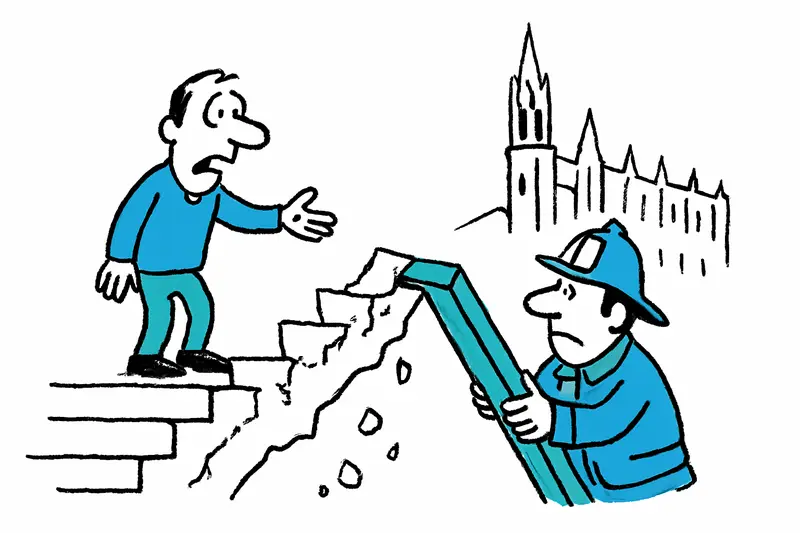
On Monday a section of the staircase to the viewing platform of Palma Cathedral was temporarily closed. Cause: a slight shift in the lateral supports of an extension from the 1950s. The city administration cordoned off the area, and the fire brigade is supporting the left side, facing the sea, with technical equipment. At first glance a sensible reaction. But it also raises fundamental questions that go beyond a cordoned-off platform.
If you stroll along the Passeig des Born on a mild morning, you not only hear the rattling of buses and the clatter of camera tripods, but you also see the flow of tourists heading toward the Parc de la Mar. From the church platform the classic Palma image emerges: harbor, water, pine trees. Now, however, a two-meter-wide corridor lies on the steps, framed by barrier tape and the quiet siren-assisted support of the fire brigade — and the selfie sticks are on pause.
Critical analysis: the facts are manageable but revealing. Explicitly closed is only the section added in the 1950s; the remaining viewpoint remains accessible. The affected supports have small platforms and two niches inside each. The city is preparing a technical report on the basis of which repairs are to be carried out. All of that is correct and probably necessary. Yet it remains unclear: how regularly are such additions actually inspected? When was the last comprehensive examination? And is there a systematic inventory of all privileged visitor routes at the cathedral?
What is missing from the public debate: concrete timelines and responsibilities, as argued in Collapse at Palma's City Wall: What Needs to Happen Now
Also: crowd management. In practice, on sunny days families with prams, elderly people and tour groups stand close together. A two-meter-wide corridor may suffice for the moment, but at full capacity narrow spots can quickly become a safety issue. There is no information on whether the city intends to regulate visitor numbers on the platform in the future or whether temporary rerouting is planned as a permanent measure, similar to the immediate sealing actions described in Risk of Collapse in Cala Major: Six Venues Temporarily Closed — What Needs to Happen Now.
Everyday scene from Palma: in the afternoon an older couple sits on a bench near the cathedral, the man tugs at his wool hat, the woman watches the workers handling steel supports. A motorcyclist stops briefly to take a photo, then moves on. The sounds are typical: hammering from a construction site on Calle Sindicato, voices from a nearby café, seagulls over the Parc de la Mar. Normality sits close to precaution — and that is precisely what makes the situation sensitive.
Concrete measures that can be implemented immediately: first, publish a clear timeline for the technical inspections including the expected reopening date. Second, install additional permanent supports or temporary steel beams with documented load tests in the short term, not just provisional shoring. Third, temporarily limit the number of people on the platform during the inspection and renovation phase and put up visible, multilingual signs for visitors. Fourth, perform digital surveying (laser scan/photogrammetry) so the technical report is based on reliable 3D data and comparisons are possible.
In the longer term the city administration should set up a regular inspection program together with restorers and the Consell de Mallorca: clear intervals, publicly accessible reports and a maintenance fund for protected visitor areas — financed from municipal funds, fees for special areas or targeted grants. It would also be conceivable to formalize temporary guided visits: scheduled time slots reduce peak loads and protect the structure.
Concise conclusion: the closure was right and necessary. But it is only the first step. Without transparent timelines, reliable testing methods and a long-term maintenance strategy, another surprise is likely — perhaps at another seemingly ordinary section of the complex; the Partial Collapse at the Baluard de Sant Pere in Palma – What Now? illustrates the point. The cathedral is as much a part of Palma as the smell of freshly brewed coffee at Plaça Major. If we want that to remain, it is not enough to tack on supports and carry on. What is needed is planning, openness and a steady focus on conservation rather than patchwork.
Frequently asked questions
Is the viewpoint at Palma Cathedral currently open to visitors?
Why was the staircase to La Seu's viewing platform closed?
Is it safe to visit Palma Cathedral while repairs are underway?
How crowded does the Palma Cathedral viewpoint get on sunny days?
What should visitors know before going to the La Seu viewpoint in Palma?
What kind of inspection is planned for the Palma Cathedral staircase?
Could visitor numbers be limited at Palma Cathedral in future?
What does the closure at Palma Cathedral say about maintenance in Mallorca?
Similar News

When the Wallet Becomes a Danger: Attack in Peguera and Lessons for Mallorca
In Peguera, two women are said to have stolen the wallet from a 75-year-old German couple. When the victim intervened, t...
Plata stays Plata: Young people take over, Llonguets remain
A small bar on Carrer de l'Argenteria will continue: Tolo Serra hands the place over to young Mallorcans at the end of t...
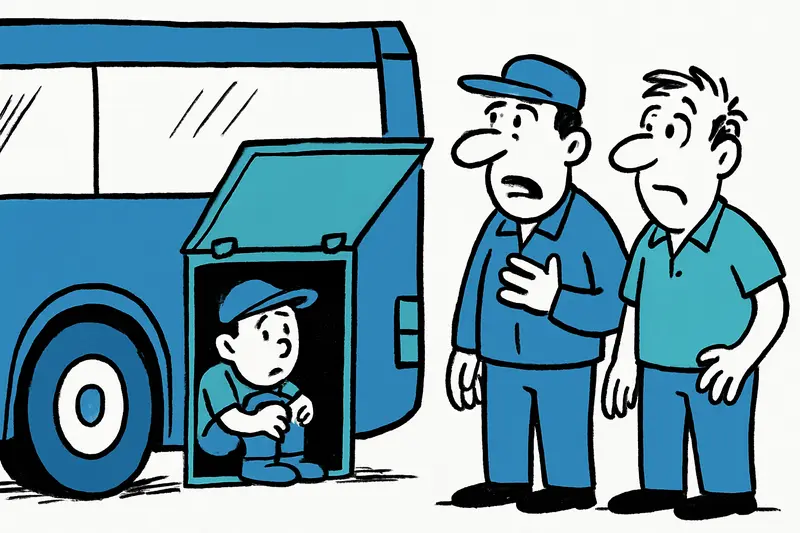
Unnoticed in the Luggage Compartment: How a Boy Traveled More Than 100 Kilometers in a Team Bus
A minor traveled in the undercarriage of a team bus for more than 100 kilometers until his cries for help were heard. A ...

Cap Vermell Grand: Second Michelin Key – a Gift for the East
The Cap Vermell Grand in Capdepera has been awarded its second Michelin key. For the region this elevates the luxury off...
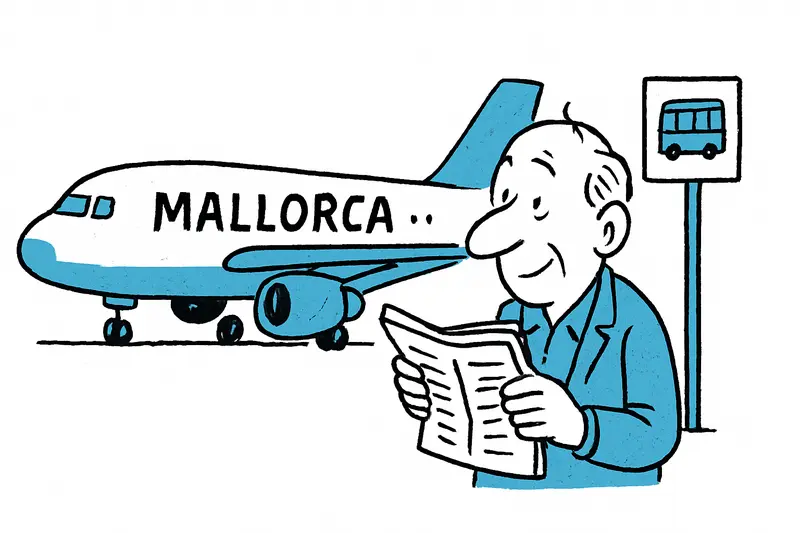
Eurowings lets four aircraft carry names – a friendly idea that also reaches Mallorca
Eurowings is launching a campaign: four Airbus A320s are to carry the first names of people who help others in everyday ...
More to explore
Discover more interesting content

Can Cap de Bou

Townhouse Lleo 72
