

Stone by Stone: Margers Receive State Certificate
Stone by Stone: Margers Receive State Certificate
The traditional dry-stone craft in Mallorca has received a state qualification for the first time. 600 hours of training, new prospects for young tradespeople.
Stone by Stone: Margers Receive State Certificate
Tradition meets training — 600 hours, officially recognized
When early in the morning, out in the field behind Bunyola, the first doves take flight, you sometimes hear a rhythmic knocking: the sound of a chisel finding its way between limestone and schist. These noises belong to Mallorca like the bleating of goats and ringing bells — and they are now no longer just tradition but part of an officially recognized vocational training.
After years of work by the Guild of Margers (Stone by Stone: State Certificate for Margers – a Victory with Unanswered Questions), the craft of dry-stone walling in Spain has received a state qualification. The new training comprises 600 hours of instruction and certifies craftsmanship that for a long time was passed down mainly within families and small workshops.
Across the island, dry-stone walls are omnipresent: they hold slopes, divide fields, line paths up to small hermitages and give vineyards structure. When you drive through the Serra de Tramuntana World Heritage site, you do not see mere folklore, but functional landscape design — the work is precise and physical.
The guild, founded in 2016, had long pushed for this recognition. Its members repeatedly stressed that without regulated training the technique would slowly be lost and young people would have little incentive to learn this tough but creative trade. With the certificate there is now a clearer route: training, practice, recognized qualification.
What exactly does the new certification qualify for? (Stone by Stone: Margers Receive State Certificate) Holders should be able to build and repair walls, pave floors and channels in the traditional manner, and preserve existing structures. It is more than just placing stones next to each other: it requires knowledge of materials, spatial imagination and patience — and a sense for the landscape.
At the market in Inca, between vendors' calls and orange stalls, you can hear older Margers urging young people: "Come, learn to read the stone." The official recognition makes this knowledge more visible. For companies, a certified qualification means more predictability; for municipalities, it offers a chance to care for cultural landscapes systematically (Piedra sobre piedra: los Margers obtienen un certificado estatal).
What this concretely means for Mallorca: newcomers who no longer only come from family lines, but from course offerings and vocational schools. And more hands to secure slopes in rain-soaked winters — a practical benefit at a time when extreme weather events are becoming more frequent.
The guild is now calling on local institutions to provide training places and workshops. Ideas are on the table: modular courses in vocational schools, practice-oriented programs on fincas and public contracts that tie training places to concrete work. Such combinations would connect theory and practice and offer young people a perspective.
A small everyday snapshot: on Plaça de Cort, on a cloudy afternoon, an older Marger with darkened hands shows a young man how a corner stone must sit. The gesture is simple, almost casual — and yet it is exactly what can happen more often now: knowledge is passed on, visible and appreciated.
For Mallorca this is not only cultural news but also economic. Preserved dry-stone walls contribute to soil stability and thus indirectly to agriculture. Restoration work can be offered as a tourism supplement; agritourism businesses could include courses in their programs. In short: craft, landscape and economy are intertwined here.
The recognition is not an end but rather a starting signal (Piedra sobre piedra: Certificado estatal para los Margers – una victoria con preguntas abiertas). Now implementation matters: enough teachers, appropriate workshops, concrete commissions. If you stroll through Campos or Deià, you see plenty of examples where skilled hands are in demand. It is up to the island to make use of this momentum.
If you see a wall being rebuilt on a weekend hike, consider: this is both a life's work and a lesson. And perhaps an invitation to young people to disprove the slow rumor of a dying craft — stone by stone, with careful work and a recognized qualification in their pocket.
Outlook: More certified Margers could eventually mean more stable terraces, better-kept landscapes and a profession with prospects that begins in schools rather than only at the field's edge. For the island this is good news — not loud, but lasting.
Frequently asked questions
What is a Marger in Mallorca?
Has dry-stone walling in Mallorca become an officially recognised qualification?
How long is the new Marger training programme?
Why are dry-stone walls so important in Mallorca?
Can you still see traditional Marger work in the Serra de Tramuntana?
Is there demand for trained dry-stone builders in Mallorca?
Where can someone learn the Marger craft in Mallorca?
What does the official Marger certificate mean for Mallorca?
Similar News
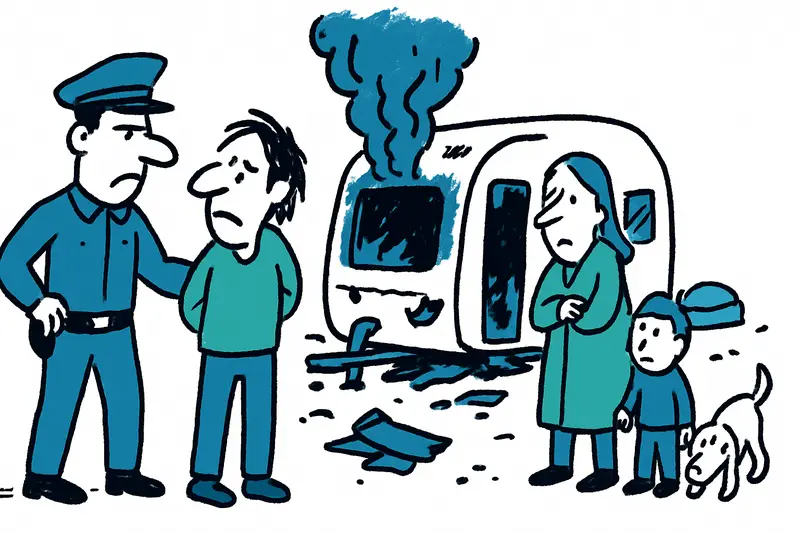
Fire in Son Hugo: Who protects people living in caravans?
A fire destroyed several caravans in the Son Hugo parking lot. A 34-year-old was arrested. The incident raises bigger qu...
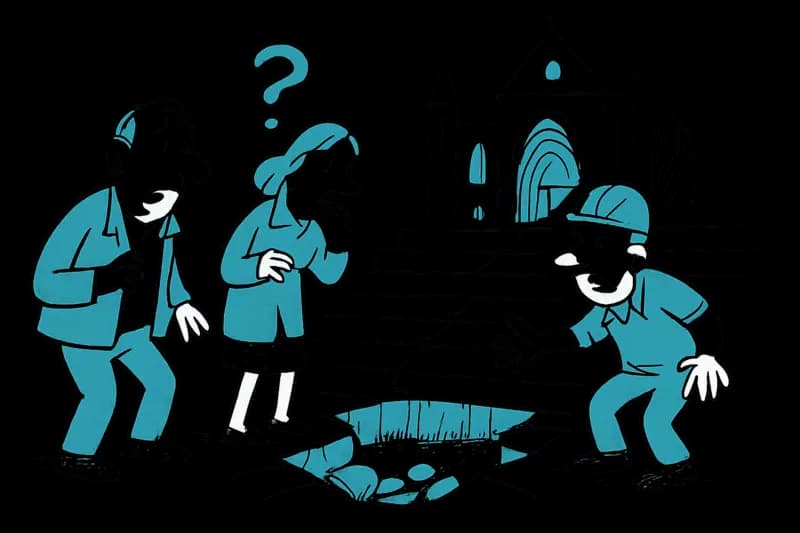
Crack in the Heart of Palma: Hole under the Cathedral Steps Causes Concern
A cavity of up to five cubic meters was discovered beneath the stairs to Palma's cathedral. Why action was taken only no...

S'Aranjassa, Schinkenstraße and Silence: How the 'Bierkönig' Case Must Be Reopened
Almost 29 years after the murders many questions remain. More than 100 tips came in after a TV reminder of the case – ti...
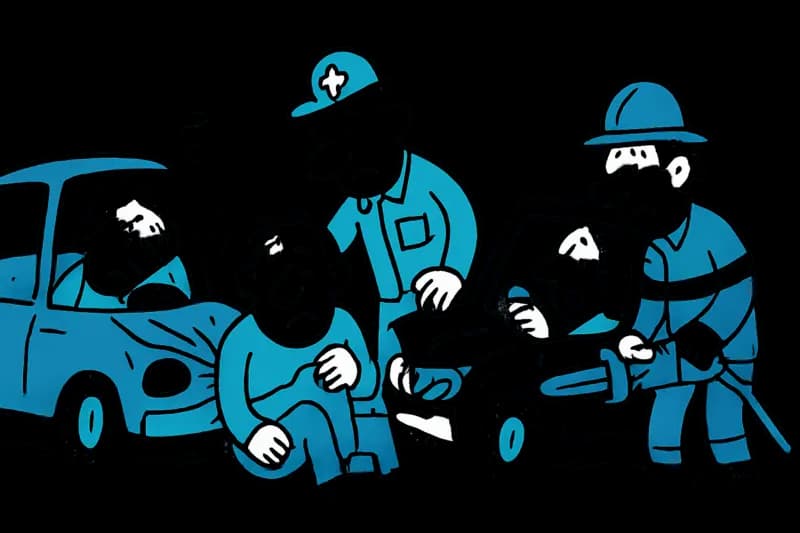
Two serious accidents in one morning hour: Why people are being seriously injured on Mallorca's roads again
In the early morning hours there were crashes on the MA-19 near Llucmajor and on the MA-5020 near Porreres. Three people...

Surprise over Palma: Saudi aerobatic team draws colorful trails
On Wednesday afternoon jets of the "Saudi Hawks" caused a stir: in white, green and red they flew over Palma and Son San...
More to explore
Discover more interesting content

Can Cap de Bou

Townhouse Lleo 72
