
Storm accident involving 'Mein Schiff 3' in Bremerhaven – a wake-up call for ports, including Palma
Storm accident involving 'Mein Schiff 3' in Bremerhaven – a wake-up call for ports, including Palma
A severely damaged cruise ship, more than 3,300 people on board and a port that reacted because of a storm: why the collision with two container ships also raises questions about port safety in Mallorca.
Storm accident involving 'Mein Schiff 3' in Bremerhaven – a wake-up call for ports, including Palma
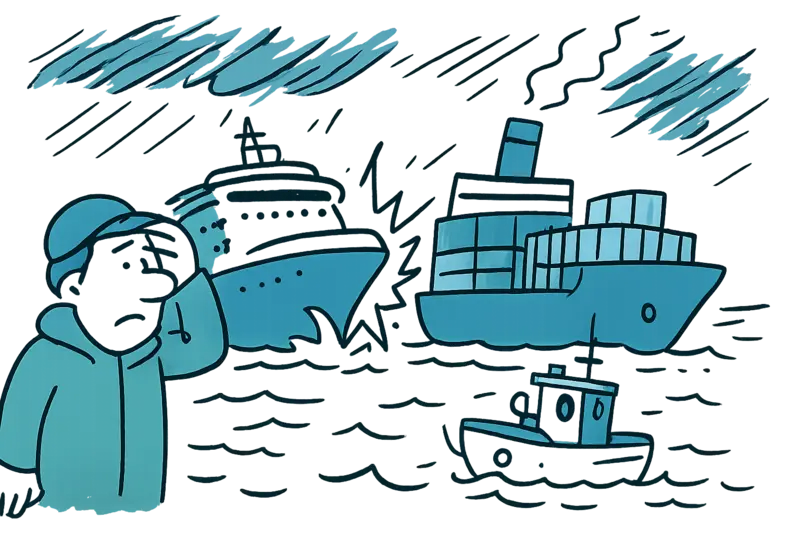
On Sunday evening the cruise ship 'Mein Schiff 3' in Bremerhaven was involved in an accident during stormy weather: the ship collided with two container ships. According to official reports, about 2,428 guests and 922 crew members were on board. No one was injured. The voyage towards the Canary Islands was cancelled; 'Mein Schiff 3' returned to the terminal. The port authorities temporarily prohibited departure for all three vessels involved; investigations are underway. For a recent local example of storm impact and preparedness see Night Storm Hits Andratx and Calvià – Are We Really Prepared?.
Key question
What do port operators, shipping companies and authorities need to change now so that something like this does not happen not only on the North Sea coast but also in our Mediterranean ports?
Critical look at the incident
At first glance it sounds like a classic storm accident: strong gusts, a large ship at full passenger capacity, and loss of control enough to cause collisions at critical moments. The known facts also show: one of the container ships suffered significant damage, the other only minor damage. On board the cruise ship, reports say lifeboats, their davits and the outer hull were affected – these are not just cosmetic damages but safety-relevant. That nobody was harmed is lucky; that must not replace systematic safety questions. For discussion of onboard safety measures and accident prevention see Accident on the Marella Explorer 2: What Helps Prevent Onboard Accidents?.
What is often missing in public debate
News coverage is dominated by images and numbers – harsh weather, vulnerable passengers, sensational damage. Rarely is the question foregrounded of how robust the working processes are: Are the diving and lashing points of lifeboats checked regularly? How many tugs were available when the gust struck? Which wind limits apply bindingly for departure, and who decides in case of conflict – the captain, pilots or port authority? And very practically: how are passengers and local authorities informed when a journey is abruptly cancelled? A comparable operational decision under storm threat is described in "MS Hamburg": Storm in the Bay of Biscay Delays Departure – Safety Decision or Logistical Fiasco?.
Everyday scene from Palma
Here in Palma, on the Passeig Mallorca, you often see cruise ships in the morning: the cafés fill up, delivery vans rattle along the harbor promenade, and fishermen watch the giants reaching their berths. You hear the seagulls, the clinking of chains, occasionally a loud horn. When an accident like in Bremerhaven happens, it touches our routine too: shorter berth times, quick reprogramming of excursions and sometimes concern about our own landing place.
Concrete solutions
- Binding wind and weather limits: uniform, publicly accessible thresholds for different ship types and harbor areas, combined with automatic locks in the port management system.
- Mandatory tug assistance: at certain wind strengths a defined minimum number of tugs must be present or callable.
- Regular inspection and maintenance cycles: focus on safety-relevant equipment such as lifeboats, davits and lashing points; independent inspection reports instead of sole shipping company findings.
- Transparent decision-making paths: clear procedures on who forbids or permits departure (pilot authority, harbor master, captain) and how these decisions are communicated to passengers and local authorities.
- Crisis communication and compensation rules: standardized, mandatory information for passengers about alternatives, refunds and medical provisions; ports should have emergency plans with hotels, hospitals and public transport.
- Training scenarios: joint exercises by shipping companies, harbor pilots and tug services under realistic wind conditions.
Why this is particularly relevant for Mallorca
Palma is a hub of cruise tourism. If ships are taken out of service due to damage or if ports close more quickly, the island feels it economically and organizationally: berth times shift, excursions are cancelled, and local service providers must react at short notice. In addition, a port's reputation is important: guests and cruise lines prefer ports that act reliably and communicate transparently. The scale of recent storm-related responses in the Balearics underlines the operational pressure on the island; see Over 100 emergency responses after storm in the Balearic Islands – What now matters for Mallorca.
Conclusion
The collision in Bremerhaven is more than a North Sea story. It is a wake-up call: safety must be thought through systematically, not only as a reaction to spectacular images. For Mallorca this means linking port operations, pilot services, tug capacities and shipping companies more closely and bindingly – before the next storm comes. And yes, on a windy morning on the Passeig Mallorca you now stay a little more vigilant.
Frequently asked questions
What safety improvements are being considered for Mediterranean ports, including Palma, after the Bremerhaven storm incident?
Should ports have binding wind and weather limits for vessel departures?
What role do tugs play during strong winds in Mallorca's ports?
How often are safety systems like lifeboats and davits inspected in Mallorca's ports?
Who decides if a ship can depart during bad weather, and how is that communicated to passengers?
What information should ports provide to passengers when a voyage is cancelled or delayed?
Why is Mallorca's cruise port management important for Palma's economy and local services?
What practical steps can travelers and locals take to stay prepared for sudden port changes in Mallorca during storms?
Similar News
Barítimo: Marítimo returns to Palma's waterfront
The long-closed Marítimo on the Paseo Marítimo is set to reopen as "Barítimo": 198 seats, primarily Mallorcan cuisine, j...
At 27 Degrees and Turrón: Why Mallorca Is Selling Christmas Already
Almonds are harvested in August, and by late October turrón is already on the shelves. Key question: Are retailers simpl...
When Balcony Coffee Sits Next to Tent Tarps: Nou Llevant as a Mirror of the Housing Crisis
In the Nou Llevant neighborhood, extreme contrasts become visible: luxury apartments, often inhabited by Germans, sit di...

Iris Berben live in Mallorca: Two opportunities to experience the island's culture
German actress Iris Berben is coming to the Evolution Mallorca International Film Festival. At the opening gala she will...
Serious Fall at the Son Ferriol Roundabout: Who Protects Us from Gaps in Road Design?
A 77-year-old driver fell early Saturday morning with his car from the upper section of a roundabout in Son Ferriol. The...
More to explore
Discover more interesting content

Can Cap de Bou

Townhouse Lleo 72
