
When Balcony Coffee Sits Next to Tent Tarps: Nou Llevant as a Mirror of the Housing Crisis
When Balcony Coffee Sits Next to Tent Tarps: Nou Llevant as a Mirror of the Housing Crisis
In the Nou Llevant neighborhood, extreme contrasts become visible: luxury apartments, often inhabited by Germans, sit directly next to tent camps and illegal dumping sites. A reality check with a guiding question, everyday observations and concrete solutions.
When Balcony Coffee Sits Next to Tent Tarps: Nou Llevant as a Mirror of the Housing Crisis
Guiding question: How can luxury new-builds and people without homes on the same block be reconciled in a meaningful way?
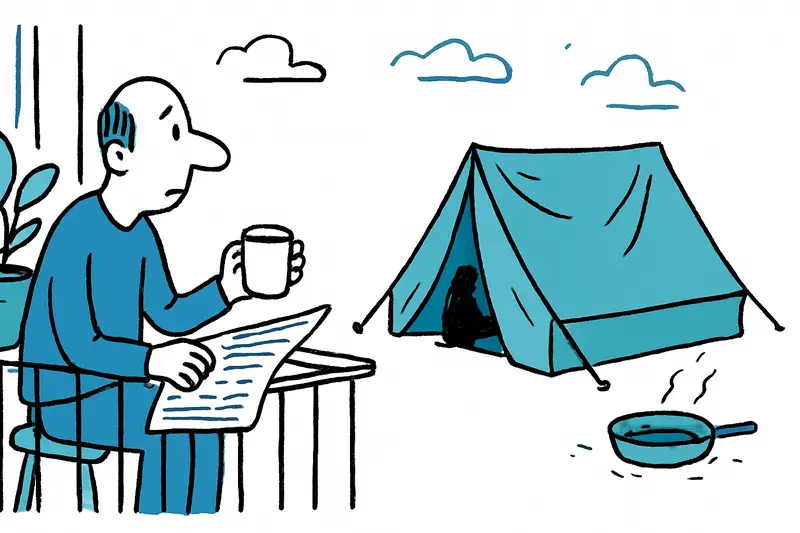
On a mild October morning, the air still fresh at around 22°C with a few scattered clouds over Palma, someone sits on a balcony with the newspaper and stirs their coffee. Two streets away, tents and motorhomes in Nou Llevant flap in the wind; the clatter of a pan can be heard from a makeshift shelter. This image, which many residents of Nou Llevant are increasingly familiar with, feels like a bad joke: on one side smooth facades and new wooden floors, on the other makeshift tent camps, campervans and illegally dumped bulky waste.
The central question is not poetic: How can a neighborhood where many wealthy residents live coexist with informal camps and dumps without social division deepening? The problem is visible yet often discussed in a simplified way.
Critical analysis
The situation in Nou Llevant is the result of several distortions. New construction projects and the conversion of apartments into short-term rentals increase pressure on the housing market. At the same time, there are insufficient low-threshold offers for people who cannot find housing immediately. The consequence: people move to places not intended for living — vacant lots, side streets, occupied campers. City cleaning falls behind, illegal waste accumulates, and where there is no official provision, self-organization emerges: private clear-outs, informal exchange economies and improvised sanitation solutions.
What's missing from the public debate
The debate often focuses on symptoms: remove the tent camp, step up fines for littering, file complaints against campers. Essential points remain underexposed: Who owns the long-empty or speculatively held apartments? What role do illegal vacation rentals in Palma play in the squeeze? Are social services sufficiently staffed and funded to provide help that can be reached at night? And not least: what concrete, lasting prospects exist for people currently sleeping outdoors?
Without answers to these questions, measures remain patchwork. Short-term clearances only create new problem spots a few streets away.
Everyday scene from Nou Llevant
A garbage truck moves down the main axis, the metallic clatter drowns out voices. An older man sorts cardboard, a young mother pushes a stroller by, and three floors up a blonde woman sits on a balcony listening to the noise while watering her plants. The contrasts are not only visible; they can be heard and smelled: alongside the scent of espressos, the smell of dampness and refuse is intermittently present. In the evenings you occasionally hear arguing; by day children go to school, adults rush to work or check listings for affordable rooms.
Concrete approaches to solutions
1. Mobile teams instead of mere eviction operations: social workers, paramedics and sanitation staff should have joint deployment plans for affected streets. These teams can reach people before an eviction escalates and offer alternatives.
2. Temporary accommodation with prospects: vacant municipal or privately used buildings could be activated for supervised transitional housing on a temporary basis. A connection to job placement and psychosocial support is essential.
3. More transparent housing stock: a public register of long vacancies and misuse of residential space would put pressure on owners and facilitate relief for long-term tenants.
4. Sanctions plus incentives: not only fines for illegal dumping, but also grant programs for property managers who provide affordable housing or refurbish apartments for rental.
5. Cleanliness corridors and proper infrastructure: regular cleaning of vacant lots, easily accessible waste containers, mobile toilets and drinking water stations reduce health risks and improve the city's appearance.
6. Citizen participation and mediation: residents, local businesses and affected people must be involved in developing solutions. Mediators can negotiate clear, comprehensible rules that no one perceives as arbitrary.
What should happen now
It is not enough to clean a few vacant lots and hand out calming measures like spot checks. Without coordinated strategies that link housing supply, social work and city maintenance, Nou Llevant will remain a textbook example of urban displacement processes. The neighborhood is not an isolated curiosity; it is a practical indication of how Palma's housing crisis and the monetization of space intersect — and who ends up losing out.
Conclusion: Nou Llevant does not need a decorative planter on the plaza, it needs a real plan. When balcony coffee and tent tarps stand side by side, that is not a condition to be swept away. Political will and concrete steps are needed to lift people out of hardship without displacing others. Otherwise the coffee spoon on the balcony will remain the only thing that shines.
Frequently asked questions
What is Nou Llevant and why is it tied to Mallorca's housing challenges?
How does Mallorca's housing market get affected by new constructions and short-term rentals?
What concrete steps are proposed to help residents facing outdoor homelessness in Palma's Nou Llevant?
Why are temporary accommodations and social services important in addressing Palma's housing squeeze?
What weather and seasonal conditions should visitors expect in Mallorca during autumn?
What packing tips make sense for a Mallorca autumn visit?
How can visitors engage respectfully with Palma's neighborhoods facing housing challenges?
Where can people learn about housing stock and resources in Mallorca?
Similar News

When Holiday Cards Turn into Cash: Three Arrests After Pickpocketing in Valldemossa
The Guardia Civil arrests three men: In Valldemossa, tourists' bank cards were stolen and cash withdrawn at ATMs. How co...

More Seats, More Uncertainty: How Mallorca's Winter Flight Schedule Affects Summer 2027
Airlines are significantly increasing winter capacity to Mallorca – but rising kerosene prices, SAF costs and delayed go...
Barítimo: Marítimo returns to Palma's waterfront
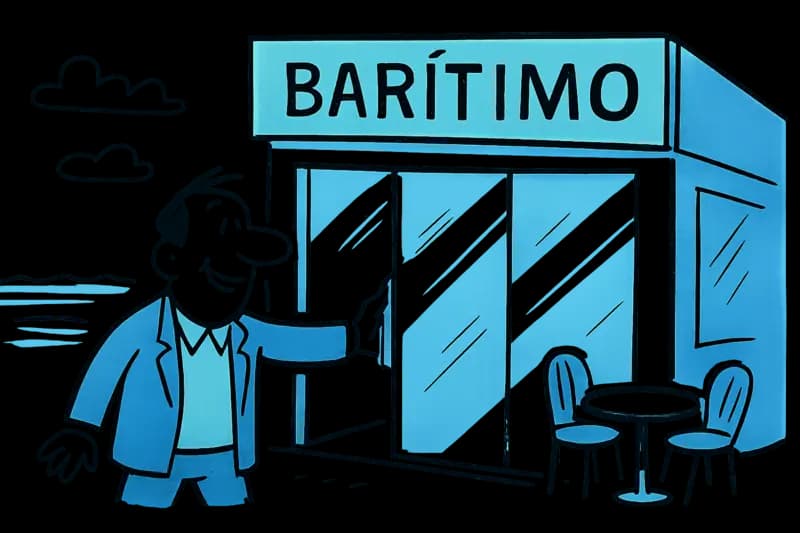
The long-closed Marítimo on the Paseo Marítimo is set to reopen as "Barítimo": 198 seats, primarily Mallorcan cuisine, j...
At 27 Degrees and Turrón: Why Mallorca Is Selling Christmas Already
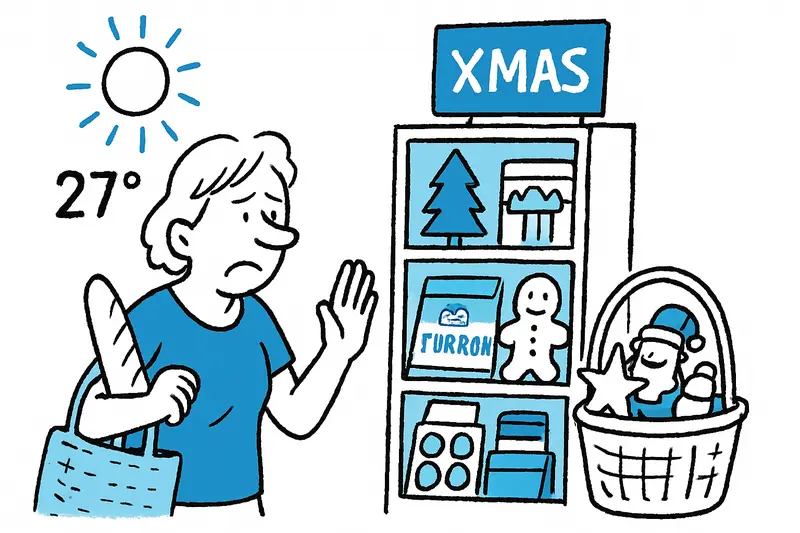
Almonds are harvested in August, and by late October turrón is already on the shelves. Key question: Are retailers simpl...
Storm accident involving 'Mein Schiff 3' in Bremerhaven – a wake-up call for ports, including Palma
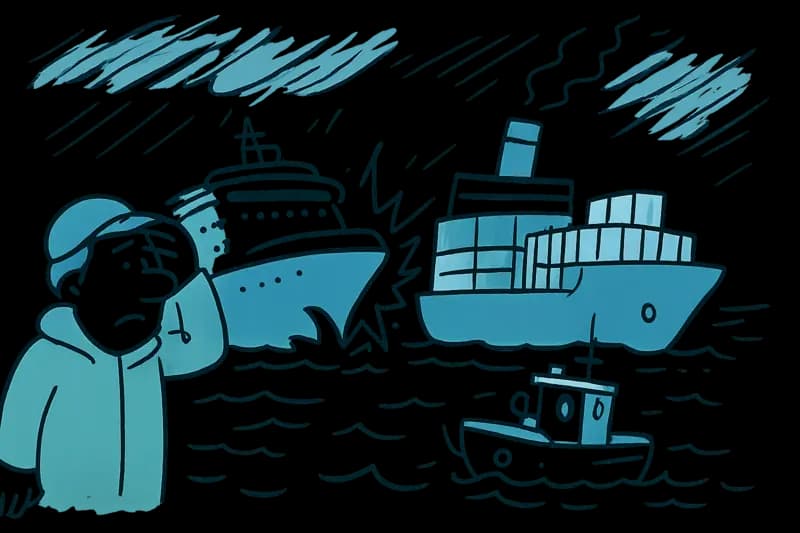
A severely damaged cruise ship, more than 3,300 people on board and a port that reacted because of a storm: why the coll...
More to explore
Discover more interesting content

Can Cap de Bou

Townhouse Lleo 72
