
When Holiday Cards Turn into Cash: Three Arrests After Pickpocketing in Valldemossa
When Holiday Cards Turn into Cash: Three Arrests After Pickpocketing in Valldemossa
The Guardia Civil arrests three men: In Valldemossa, tourists' bank cards were stolen and cash withdrawn at ATMs. How could this happen?
When Holiday Cards Turn into Cash: Three Arrests After Pickpocketing in Valldemossa
Key question: How could thieves repeatedly steal bank cards in a busy Tramuntana town and empty ATMs — and what is missing from the debate?
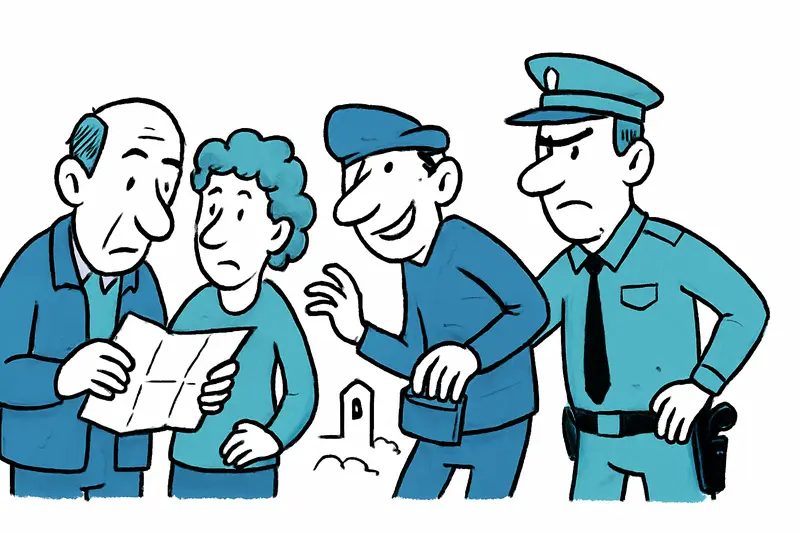
On a clear October afternoon in Valldemossa the church bell rings, tourists stroll with cameras, and espresso steams in the street cafés. It was in this mix of relaxed atmosphere and tourism that thieves apparently took advantage of visitors' inattention to slip bank cards from pockets and jackets. The Guardia Civil has now arrested three men suspected of stealing cards in four cases and then withdrawing a total of around 5,000 euros at ATMs. According to investigators, the arrest took place in Esporles; the suspects are from Eastern Europe and are said to have been involved in similar offenses before, as in an alleged international bank fraud case in Mallorca.
The facts are sparse: At the beginning of October, investigators noticed a cluster of thefts in the Tramuntana town. The inquiry led to three men being arrested and handed over to the judiciary. The police speak of four thefts and four cases of bank fraud; further arrests are not excluded. Most of the investigative work has not been made public – this is normal, but problematic for the public's and tourists' trust.
Critical analysis
The perpetrators' strategy seems familiar but effective: deliberately exploiting crowds at tourist hotspots, a rapid sequence of theft and cash withdrawal at nearby ATMs. Two reasons make this method successful. First: tourists are often distracted, busy with photos, maps or conversations. Second: the proximity of ATMs to busy squares provides short escape routes and allows quick withdrawals before victims notice the loss. That the gang adapts its tactics to seasonal flows — investigators observed a shift of activity into the Tramuntana when other areas were quieter — shows planning and mobility.
As for the authorities' response, it appears correct but reactive. Arrests and seizures are important — as seen in the Port d’Andratx arrests — but the question remains: Are targeted operations and investigations enough to break recurring patterns, or is a longer-term, preventive strategy needed?
What is missing in the public debate
The discussion often narrows to headlines about arrests, such as the beach theft in Cala d’Or. It is rarely addressed how tourism infrastructure — from the placement of ATMs to the training of service staff — facilitates crime. There is a lack of transparency about how many offenses go unreported because victims do not want to spoil their holiday or notice losses only later. Also little noticed are cross-border information channels between police departments on the island and the mainland, as well as between banks and security authorities. Without these building blocks, investigations remain piecemeal.
Everyday scene
Imagine the Plaça of Valldemossa: gravel crunches, e-bikes whirr past, gelato drifts from a bar. An older couple leans on a fountain studying a map; a teenager poses in front of the Carthusian monastery. In such a place a brief reach, a distraction by conversation, and a card is gone. There are often short queues at nearby ATMs — exactly what offenders need for quick withdrawals.
Concrete solutions
1) Local prevention: Operators of cafés, museums and accommodations can raise guest awareness — visible notices at tills and ATMs, brief reminders at check-in, and direct engagement if there is suspicion. 2) ATM planning: Banks and municipalities should review ATM locations; less exposed sites or additionally shielded cash points reduce the risk of rapid withdrawals. 3) Staff training: Waiters, shop staff and tourism workers see a lot; short trainings on recognizing pickpocketing and the reporting chain could help. 4) Fast communication: Police information in multiple languages and a hotline for tourists who want immediate action after a theft — reporting, card blocking, coordination with banks. 5) Technical measures: Push notifications from banks for transactions over a threshold or for unusual withdrawals could automatically alert customers.
Some of these ideas do not require a large budget; others need cooperation between banks, municipalities and security forces. The central point: prevention costs less than permanent police presence and, above all, less than the loss of trust among holidaymakers.
Conclusion
The arrest of three suspects is a success for the Guardia Civil and a relief for the victims, but similar cases, for example pickpocketing in Porto Cristo, show the problem recurs. People who stroll through Valldemossa want to enjoy the bell chimes and the mountain views — not worry whether their card is still in their wallet. The island therefore needs a pragmatic mix of education, urban planning considerations and fast communication between police and financial institutions. Otherwise the scene at the fountain will remain just another chapter in a series best left unread.
Frequently asked questions
What happened in Valldemossa regarding bank cards and arrests?
What can I do to protect my bank card in Mallorca while sightseeing?
Are there steps Mallorca authorities propose to improve ATM safety?
What should visitors know about the Valldemossa scenario?
How can staff in Mallorca help prevent pickpocketing?
What should I do if I notice my card is missing or used abroad while in Mallorca?
Are there safer ATM locations in Mallorca's popular towns like Valldemossa?
What is the broader takeaway from the recent Mallorca card theft incidents?
Similar News

More Seats, More Uncertainty: How Mallorca's Winter Flight Schedule Affects Summer 2027
Airlines are significantly increasing winter capacity to Mallorca – but rising kerosene prices, SAF costs and delayed go...
Barítimo: Marítimo returns to Palma's waterfront
The long-closed Marítimo on the Paseo Marítimo is set to reopen as "Barítimo": 198 seats, primarily Mallorcan cuisine, j...

At 27 Degrees and Turrón: Why Mallorca Is Selling Christmas Already
Almonds are harvested in August, and by late October turrón is already on the shelves. Key question: Are retailers simpl...
Storm accident involving 'Mein Schiff 3' in Bremerhaven – a wake-up call for ports, including Palma
A severely damaged cruise ship, more than 3,300 people on board and a port that reacted because of a storm: why the coll...

When Balcony Coffee Sits Next to Tent Tarps: Nou Llevant as a Mirror of the Housing Crisis
In the Nou Llevant neighborhood, extreme contrasts become visible: luxury apartments, often inhabited by Germans, sit di...
More to explore
Discover more interesting content

Can Cap de Bou

Townhouse Lleo 72
