
Storm-force gusts, cold rain, orange alert: What the new storm reveals about Mallorca
Storm-force gusts, cold rain, orange alert: What the new storm reveals about Mallorca
A short, intense low-pressure system swept over the island: gusts up to 157 km/h, orange warnings along large stretches of coast, snow at higher elevations. How prepared is Mallorca for such blows — and what is missing?
Storm-force gusts, cold rain, orange alert: What the new storm reveals about Mallorca
Key question: How prepared is the island for such fast, local extreme events?
On the night to Saturday a compact but powerful low moved in from the west over Mallorca. Stations recorded peak values corresponding to a locally very strong storm: 157 km/h at the Serra d'Alfàbia, around 100 km/h in Cabrera and more than 90 km/h at other stations – in lowland areas gusts often reached 80–90 km/h. Orange warnings were issued for wide stretches of coast; for many people that means specifically: stay out of the surf, away from the quay wall, and don't stand under trees.
These figures are not abstract. Storm gusts of this magnitude tear off loose roof tiles, snap branches and cause high seas. Snow fell at the Monnàber Tunnel – another sign of the sharp temperature contrast: the air mass produced a noticeable drop to just above 10 °C.
Critical analysis
What stands out is how local and rapid the situation develops. AEMET reported the peak values, and the result was diffuse warnings for many coastal areas at the same time, as outlined in Storm Alert: Orange Warning for North and Northeast — What Mallorca Residents Should Know Now. The problem: an orange warning says little about how long closures or restrictions will last. For port operators, bus companies or hoteliers it is important to know whether prolonged high seas or only a short gust peak is to be expected. Municipal information often remains vague because authorities wait for the meteorological development.
Moreover, the clustering of storms in recent days reveals a fragile infrastructure — a trend discussed in First storm warning, then sun: How well is Mallorca prepared for this changeable weather?. Branches on side roads, isolated flooding in Playa de Palma and damage in places like Capdepera and Son Servera indicate not only the force of the winds but also ageing vegetation, unsecured construction sites and clogged drainage systems.
What is missing in the public discourse
The discussion understandably revolves around the spectacular wind peaks. But less loudly spoken about are maintenance cycles: who in the municipalities checks the large pines on the promenades? When do port operators carry out binding mooring checks? There is a lack of clear, citizen-understandable checklists: when should I close the shutters? When should I secure my boat? Which public areas will be closed and when?
Everyday scene from the island
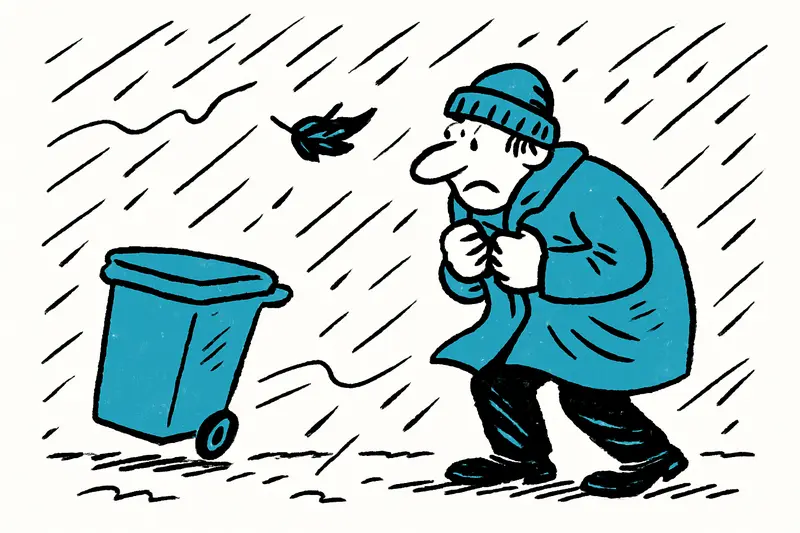
Early on Saturday morning the Passeig Marítim in Palma was an empty stage. Trash bins rolled across the pavement like forgotten suitcases, individual walkers pulled their coats up, and the sea was a grey wall with spray. On the Ma-13 towards Sóller there were scattered small branches on the road, and at the entrance to the Port de Sóller fishermen had already wrapped extra rope around the bollards. Such images are familiar and show how neighbours and businesses react reflexively – but reflexive, individual action does not replace coordinated preparedness.
Concrete solutions
1) More precise warning communication: in addition to the colours, authorities should communicate short time windows and expected impacts (e.g. "gusts 80–120 km/h from 03–06, marina X closes berths").
2) Priority for trees and infrastructure maintenance: a binding inspection plan for street trees before the storm season would minimise many hazards. Municipalities should keep lists of trees that are especially vulnerable in storms.
3) Harbours and marinas: standardised mooring checks, temporary relocation plans for small boats and clear guidance for owners. Many damages are caused by insufficiently secured recreational boats.
4) Secure drainage systems and construction pits: rain and wind together exacerbate problems. Regular cleaning of storm drains, securing open excavations and rapid response teams are necessary.
5) Simple citizen information: notices at tourist offices, WhatsApp or SMS alerts for non-locals, checklists for hotels and holiday rentals – so people do not have to improvise only when the first strong wind arrives. This echoes recommendations made after earlier alerts such as Orange Alert: How Mallorca Is Preparing for a Wet Late Summer.
Concise conclusion
Yesterday's storm was not a one-off spectacle, but a small, loud wake-up call. Mallorca has the instruments to become safer: good forecasts, dedicated city gardeners, harbourmasters and attentive neighbourhoods. What is missing is binding action and precise, local communication: not just "orange", but "what exactly is closed and when". Otherwise the images of fallen branches and flooded promenades will remain recurring postcards – and the chance to make the island more resilient will be wasted.
Frequently asked questions
How bad can storm winds get in Mallorca during an orange alert?
Is it safe to go to the beach or swim in Mallorca during a storm warning?
What should I pack or prepare for cold, windy weather in Mallorca?
Why did it feel much colder in Mallorca during the storm?
What does an orange weather alert mean for Mallorca residents and visitors?
Was Palma affected by the recent storm in Mallorca?
Did the Port de Sóller have any storm precautions?
Which parts of Mallorca are most exposed in strong storms?
Similar News

Rental Car Theft in El Arenal: What This Incident Reveals About Our Gaps
A teenager steals a running rental car in El Arenal, flees on foot, climbs over walls and is caught by the Guardia Civil...
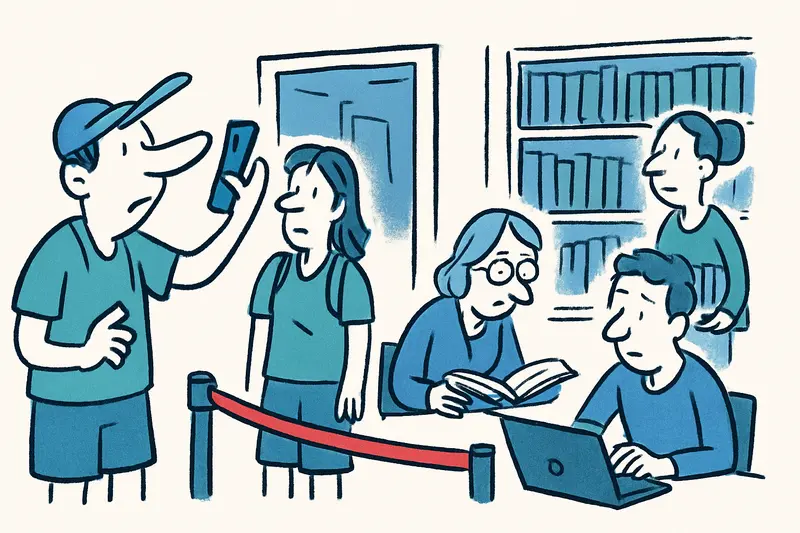
Red Rope in Palma's Library: What Helps Against Selfie Tourism — and What's Missing
Palma's city library cordoned off an area with a red rope to keep selfie tourism away from reading and working activitie...
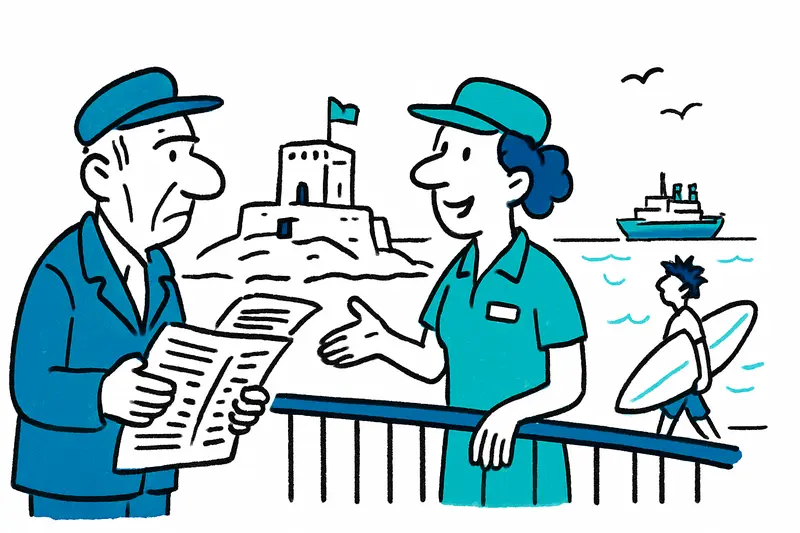
Fort San Carlos: Museum, Harbor Dispute — and a Conflict That Demands Answers
The military museum at Fort San Carlos sits right on Palma's harbor, with unexpectedly quiet rooms filled with cannons a...
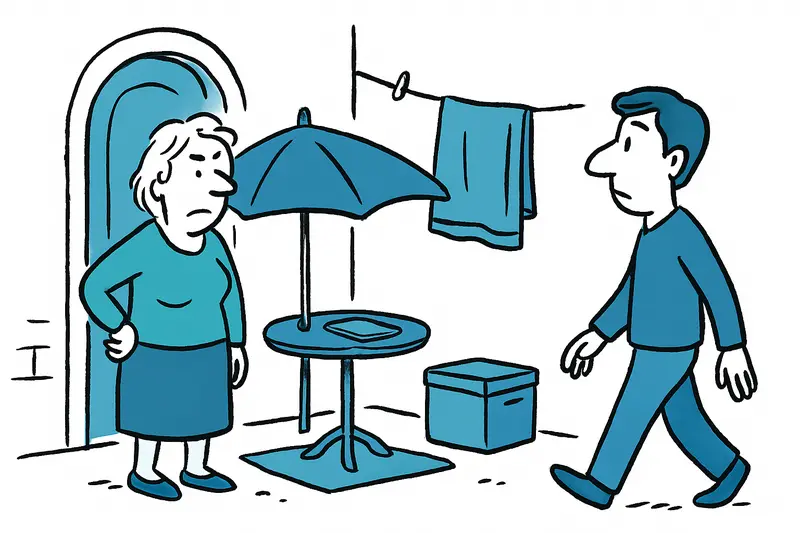
Old Town Under Pressure: When a Doorway Becomes a Sleeping and Shower Place
For months a woman has been living with a parasol, a clothes rack and personal belongings next to the social welfare off...
When Shopping Weighs Heavier: Mallorca Demands a Tax Pause on Food and Fuel
Rising prices are putting pressure on households and agriculture. The Balearic Islands are calling for temporary tax rel...
More to explore
Discover more interesting content

Can Cap de Bou

Townhouse Lleo 72
