
Storm shuts down MA-2130: How stormproof is our Tramuntana infrastructure?
Storm shuts down MA-2130: How stormproof is our Tramuntana infrastructure?
Strong winds tore down numerous pines along the MA-2130 and closed the route between Caimari and Lluc from kilometer 8.2. A reality check: how prepared is the island really?
Storm shuts down MA-2130: How stormproof is our Tramuntana infrastructure?
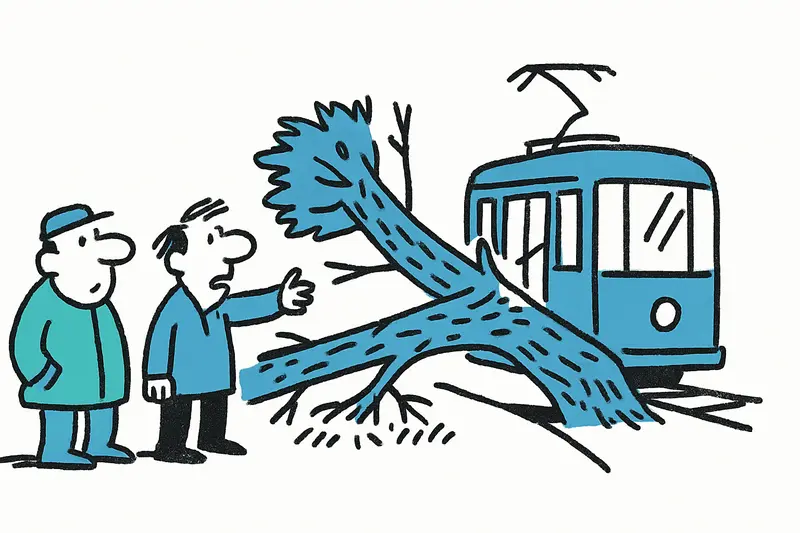
On Saturday morning, slender pines lay across the carriageway of the MA-2130 like toppled candles. From kilometer 8.2 onward nothing is passable: the connection between Caimari and the sanctuary of Lluc is closed because storm gusts snapped several trees. Anyone heading to the Pedra en Sec viewpoint or the gas station at Coll de la Batalla suddenly found themselves facing barrier tape and the smell of wet resin.
Key question
How well is our infrastructure prepared for storms that temporarily make roads in the Tramuntana impassable — and what does that mean for residents, visitors and emergency services?
Critical analysis
The facts are simple: gusts up to 90 km/h (AEMET) exposed weak spots in the forest along the road, similar to reports in Storm, Rain, Maybe Snow: How Well Is Mallorca Prepared for the November Low?. The MA-2130 runs through steep terrain with numerous lay-bys and viewpoints, where pines stand close to the carriageway. When wind and waterlogged soil come together, a few breakages are enough to block the entire traffic artery. The problem is not only that trees fall — it is how quickly and how often the road becomes passable again. Technical means for rapid clearance are necessary, but just as important are preventive measures: tree inspections, targeted removal of hazardous trees and safe parking zones that are not directly adjacent to the roadway.
What is missing from the public debate
At the moment the discussion revolves mainly around the closure and the weather warning, as reflected in Yellow Warning: When the west wind sweeps across Mallorca — how prepared is the island?. What is missing is a concrete discussion about long-term responsibility. Who pays for regular tree inspections along touristically and traffic-relevant routes? What standards exist for the care of pine forests along roads? There is no coordinated plan between the municipality, island government and forestry authority that links prevention, public information and rapid recovery logistics. Rarely discussed is how such closures affect people with limited mobility and residents of remote fincas — for them a blocked road can mean hours of lost time.
Everyday scene from the Tramuntana
At the entrance to Caimari that morning two retired women were sitting in the café opposite the church. They heard the wind howling, saw the police cordon go up and wondered whether the pilgrims heading to mass in Lluc would have to turn back. At the gas station on the Coll de la Batalla rental car drivers nervously discussed alternative routes while a ranger in an anorak checked which trees were leaning most precariously. These small observations show: the island is alive even when traffic arteries fail. But the strain on people is real and tangible.
Concrete solutions
1. Hazard inventory: Create a digital inventory of all trees along key routes, prioritized by risk class. 2. Preventive maintenance: Annual plan for pruning and — where necessary — sustainable removal of hazardous trees. 3. Emergency logistics: Priority contracts with forestry companies and clearance crews that can respond within hours. 4. Information chains: Unified warning system in multiple languages (Spanish, Catalan, English, German) at car parks, viewpoints and online channels. 5. Alternative traffic planning: Marked detour routes, emergency access for rescue vehicles and temporary shuttle services for pilgrims and hikers. 6. Financing model: A fund from tourist levies and municipal resources to make recurring maintenance affordable.
Why this is no small matter
Tramuntana roads are not only important for tourism; they are lifelines for villages, supply chains and emergency services. A blocked section can create cascade effects: longer response times for fire and ambulance services, detours for commuters, and economic losses for businesses in isolated valleys. These cascade effects were evident during Night Storm Hits Andratx and Calvià – Are We Really Prepared?. Short-term clearance alone is not enough if every strong storm exposes the same vulnerable spots.
Pointed conclusion
The storm merely exposed the weaknesses that were already there: too few preventive tree inspections, no fixed procedures for rapid clearance and insufficiently coordinated communication. It is time for municipalities, the island administration and forestry services to stop hiding behind weather reports and instead invest in planning, funding and clear responsibilities. Otherwise the next closure will not just be a news item, but a serious problem for the people who live and work here.
Photo: Meteo de les Illes – Antonio Llull
Frequently asked questions
Why was the MA-2130 between Caimari and Lluc closed after the storm?
How stormproof are Mallorca’s Tramuntana roads?
What should drivers do if a Mallorca mountain road is suddenly closed by a storm?
Is it safe to visit the sanctuary of Lluc during stormy weather?
What kind of weather caused the closure on the MA-2130 in Mallorca?
Why do fallen trees cause such big traffic problems in the Tramuntana?
What road safety measures are needed for Mallorca’s mountain routes?
How do storm-related road closures affect people living in rural Mallorca?
Similar News
Why the End of "Los Últimos Mohicanos" Is More Than the Closing of a Bar
With squealing tires and one last glass, an icon on the Palma–Manacor expressway closes. Why the demise of this German b...
Protest camp on Plaza España: Who asks for solutions to the right to housing?
Around 30 activists set up a tent camp on Palma's Plaza España to push for stronger tenant rights. Our analysis asks: Ar...
In the Name of a Gang: Alleged Extortion in El Molinar and What It Reveals About the Protection of Sex Workers
A man is accused of posing as a member of the Hells Angels and extorting two women at accommodation in El Molinar. The s...
When Chile Meets the Mediterranean: A New Flavor at Can Bordoy
At Can Bordoy in Palma's old town, Chilean chef Jhonatan Maldonado combines Patagonian seafood with Mediterranean island...
End of an Era on the Ma-15: Why the Biker Hangout at Son Gual Is More Than Just a Restaurant
"Los Últimos Mohicanos" closes unexpectedly. A meeting place for motorcyclists on the Palma–Algaida border is disappeari...
More to explore
Discover more interesting content

Can Cap de Bou

Townhouse Lleo 72
