
Storm warning for Mallorca: What matters now
Storm warning for Mallorca: What matters now
Aemet has issued a yellow storm and severe-weather warning for the entire island for Wednesday. Wind gusts up to 60 km/h, waves up to three meters, locally heavy rain. What this means for daily life, infrastructure and tourism — and what we should do immediately.
Storm warning for Mallorca: What matters now
Key question: Are we on the island really prepared for this rapid weather change?
The national weather service yellow storm warning for heavy rain for Wednesday: thunderstorms, heavy rainfall and stormy gusts along the coasts are expected, locally reaching up to 60 km/h. In some coastal sections three-meter waves are possible. The warning applies on land on Wednesday from 8:00 to 20:00, and along the coast until midnight. Between heat and thunderstorms this transition is abrupt: until Tuesday many places remain muggy and hot, values around 37 °C have already been reported, afterwards maximum temperatures are expected to fall to 28–30 °C.
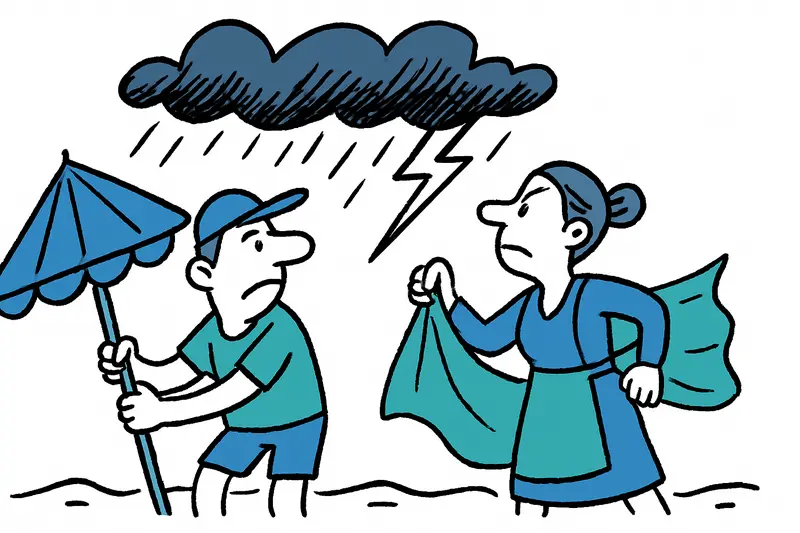
I ask myself as I look out from the window of my editorial office on Passeig Mallorca: have the small beach bars securely tied down their parasols? Are the drains in the side streets of the old town clear so water can run off? Such simple everyday scenes are what decide between success and chaos when heavy rain sets in suddenly.
Critical analysis
The warning itself is clearly formulated, but the challenges lie in implementation. Mallorca's settlement structure — narrow lanes in towns, many slopes in the Serra de Tramuntana, flat waterfront zones with promenades — makes the island vulnerable to flooding, landslides and wave overtopping. When heavy rain falls locally and intensely, sewage systems can quickly become overloaded. Wind gusts in harbors and on exposed coasts endanger loose objects, slightly damaged roofs and boats at poorly secured berths.
Recent forecast developments also show: what initially looked like prolonged rain has contracted in time. This is typical for unstable situations; weather models change quickly. Therefore it is not enough to read the warnings once in the morning. Changes can come hourly.
What is missing in the public discourse
There is much reporting about wave heights and wind strengths, but too rarely about practical local consequences. Where are clear instructions for older people who need help securing doors and shutters? Which harbors stop excursion boat operations in time, and how do they inform holidaymakers on site? In many conversations I hear that information signs on promenades are missing or hard to read. The location of emergency drains on frequently used access roads is also rarely discussed.
Everyday scene from Mallorca
Imagine: In the morning a seller on the Paseo packs her stands away from awning tarpaulins, a fisherman at Club de Mar quickly checks his lines, and in Port de Sóller guests turn their eyes to the sky while children still play in the sand. Small, everyday actions can help if authorities and businesses inform quickly — but often people only learn what to do shortly before the storm begins.
Concrete solutions
1. Personal preparedness: Secure balcony furniture and parasols, avoid parking in low-lying areas, check loose items in the garden. Watch Aemet and local notices from municipalities and port authorities. 2. Neighborhood networks: Older and mobility-impaired neighbors need support closing windows and shutters. Short-term arrangements within a building save time. 3. Municipal notices: Town halls should put up clearly visible signs on promenades, parking areas and harbors at short notice and consider loudspeaker announcements when coastal areas are affected. 4. Businesses and hospitality: Bars and beach kiosks should fix terrace furniture and have emergency plans ready. Boat operators must coordinate berth and excursion plans. 5. Infrastructure: Street cleaners and maintenance teams should check drains, especially in known problem zones.
What you should do now
Monitor Aemet messages, plan trips with foresight, avoid unnecessary stays along the waterline during the warning period and place electronic devices and important documents at a height. If you own a finca in the countryside: check access roads and storage rooms for possible flood points.
Conclusion: The warning is serious, but not a reason to panic. Quick practical measures in everyday life, a functioning neighborhood support network and clear information from municipalities would provide much protection. In Mallorca a small action often decides the outcome of a storm more than long warning texts. Let's tackle it pragmatically — and keep an eye on the sky.
Frequently asked questions
What is the best time of year to visit Mallorca for good weather?
Is it suitable to swim in Mallorca outside of peak summer?
What should I pack for a Mallorca trip?
What are some easy outdoor activities to do in Mallorca?
How is transportation around Mallorca for visitors?
Which beaches in Mallorca are family-friendly?
What should I know about Mallorca's weather and packing for a summer trip?
Are there good day trips or nearby towns to explore from Mallorca?
Similar News

Up to €9,000 Fine in Inca: Why Wet Wipes Can Blow Up the Sewers — and What We Should Really Do
The municipality of Inca warns of blockages caused by wet wipes — fines of €300 to €9,000 are possible. A reality check:...

World Cup Trophy in Palma: Two Days Up Close
The World Cup trophy is coming to Palma at the end of October: two days on display at City Hall, and on 31 October photo...

End of October: Can you still swim in the sea in Mallorca?
The late-autumn sun still warms the air and the sea has retained its summer heat—many people don't pack away their swimw...
Years of abuse in Costa de la Calma – Neighbor calls Guardia Civil
In a villa in Costa de la Calma a neighbor alerted the Guardia Civil: a 19-year-old woman reported years of violence by ...

Schauinsland Takes Over Management of the Morito in Cala Millor – a Reality Check
From March 2027 the German tour operator Schauinsland will manage the Morito hotel in Cala Millor. The Batle Erikson fam...
More to explore
Discover more interesting content

Can Cap de Bou

Townhouse Lleo 72
