
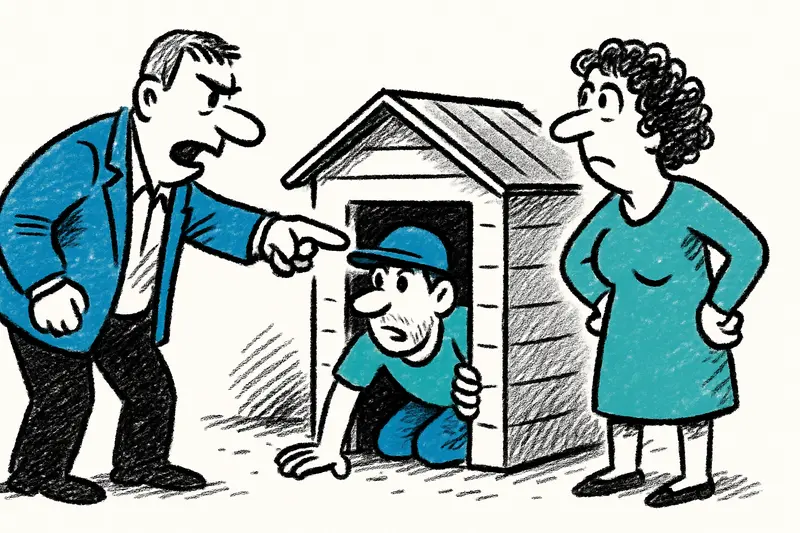
Stricter Penalties for Rent Gouging: Is That Enough to Get People Out of the Shacks?
Stricter Penalties for Rent Gouging: Is That Enough to Get People Out of the Shacks?
The regional government wants to drastically increase penalties for landlords who rent out inhumane accommodations. Are stiffer fines alone enough, or is something crucial missing?
Stricter Penalties for Rent Gouging: Is That Enough to Get People Out of the Shacks?
Key question: Are higher fines alone enough to curb landlords who use mafia-like methods?
Morning at the Mercat de Pere Garau: delivery vans honk, the scent of coffee hangs in the air, and outside an old building two neighbors discuss how many people are currently sharing a 50-square-meter flat. Scenes like this are not isolated. The Balearic government has now adopted a tightening of housing law: those who profit from makeshift, overcrowded or inhumane accommodations will in future be punished much more severely. This mainly affects cases where profit is derived from housing – and no longer just mere overcrowding.
On paper it sounds strict: violations that were previously classified as serious will be moved into a higher category. Fines would increase significantly as a result; moreover, the penalty can be raised by the actual profit made if it exceeds the original amount, as seen in Palma Follows Through: Fines Over €300,000 Hit Building in Levante. It is also clarified that "substandard housing" includes any part of a structure that, despite being used as a dwelling, does not meet minimum habitability requirements. That opens the door to take action against sleeping places in garages, illegally subdivided apartments or provisional settlements, and against provisional settlements as happened when Manacor clears settlement: When rental profits push people into shacks.
The good news: the legal texts are now more precisely worded. The administration receives stronger control and sanctioning instruments, and it becomes harder in legal terms to argue that one had only "a little" overcrowding. Landlords who profit from other people's hardship are supposed to be fined and deterred. At least in theory.
But this is where the critical view begins: higher fines are a tool, not an automatic solution. First, personnel are needed for inspections. Municipalities already report that inspection services are overburdened. Where are the teams supposed to come from that search stairwells, cellar boxes and tiny attic rooms? Second: legal protection and the duration of court proceedings. When fines are imposed, many landlords go to court – and that can take years. Until then, people continue to live in precarious conditions; reports such as Living in Crisis: Why Tenants Are Now Paying the Price on the Balearic Islands document how slow procedures and evictions compound the problem.
Third, there is often no plan for those affected. A forced eviction or an official closure without alternative accommodation would mean the displacement of families and individuals. The new regulation does not automatically mention quick, dignified housing or emergency aid. This creates a dilemma: do you protect housing quality or risk putting people on the street?
Fourth: the economic structures behind rent gouging. Individual "bad apples" exist, but often networks, middlemen or professional intermediaries are behind it. Simply increasing fines does not automatically hit the masterminds. And finally: the market remains hot. As long as flats are scarce and rents rise, incentives to bypass regulations will persist.
What is missing in public debate is prevention. Increasing the stock of legal, affordable housing reduces the pressure that drives people into overpriced, undignified accommodation. That means: new construction programs, targeted renovations of vacant buildings, simpler subsidy routes for landlords who renovate instead of illegally subdividing, and greater transparency in short-term rentals that drain the housing market.
Concrete proposals beyond higher fines: first, mobile inspection teams that regularly patrol neighborhoods with high suspicion levels; second, an accelerated administrative procedure for sanctions with clear deadlines so that cases don't get lost in long-term processes; third, an emergency fund for those affected that finances temporary accommodation and legal advice at short notice; fourth, a public list of repeat offenders coupled with a ban on conducting real estate transactions through brokers; fifth, municipal incentives in the form of small grants for landlords who renovate units to minimum standards instead of slicing them up.
At the local level many things work through familiarity. An apartment block in La Soledat, whose entrance at night is filled with voices in nine languages, shows: it is the places where neighbors, caretakers and market stallholders notice the problems first. An anonymous reporting office with a simple online option and low-threshold protection for whistleblowers could make inspections more efficient. This also includes tenants knowing who to turn to without fearing reprisals.
The conclusion is sharp: harsher penalties are necessary and justified. But they are not a panacea. Without more staff, without speedy legal procedures, without concrete alternative accommodations and without measures that relieve the market, the danger remains that fines will be mere symbolic politics while people continue to live in shacks, garages and overcrowded rooms. The government now has a sharper tool in hand. The decisive question is whether it will put the glove on and act, not just threaten.
In Palma, between the smell of coffee and the sound of rolling suitcases, eyes are turned to the coming months. Authorities, municipalities and neighborhoods must show that they can not only hand out fines, but also deliver solutions that actually pull people out of misery.
Frequently asked questions
What are the new penalties for rent gouging in Mallorca?
Will higher fines alone solve Mallorca’s overcrowded housing problem?
What counts as substandard housing in Mallorca under the new rules?
Why is it still hard to remove people from illegal shacks in Mallorca?
What happens to tenants if an overcrowded flat is closed in Mallorca?
Why is Pere Garau often mentioned in Mallorca housing debates?
What is happening with housing problems in La Soledat, Mallorca?
What could help reduce rent gouging in Mallorca beyond fines?
Similar News

More Electric Cars in the Balearic Islands: Sales Rise Sharply
Between January and August, 14,185 vehicles without petrol or diesel propulsion were sold — an increase of more than 40 ...

Autumn in Mallorca: What Truly Remains of Summer
The days grow shorter, the evenings cool — and yet more of summer lingers than you might think: sounds, recipes, people,...

Rescue operation at Tolleric: Why nighttime cliff parties become dangerous
A British holidaymaker fell about ten meters at the cliffs of Tolleric during the night, later climbed back up and was r...
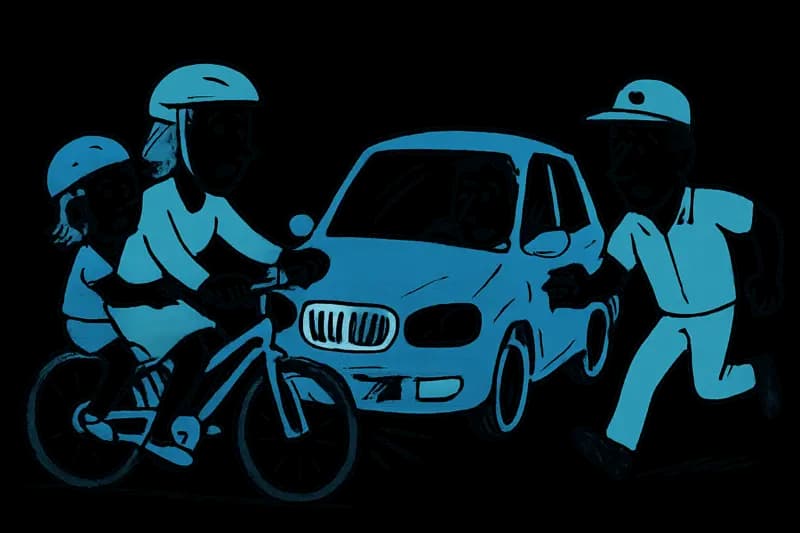
Car accident on the MA-1: Mother and daughter on a bicycle struck by a fellow countryman – Who protects cyclists here?
On the MA-1 between Portopí and the Cala Major exit, a mother and her daughter on a bicycle were struck by a car. A para...
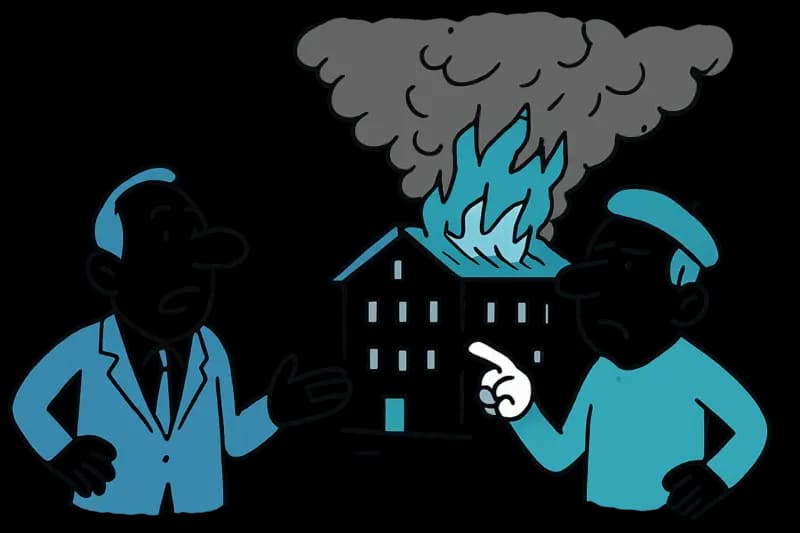
Smoke over the UIB: Who is responsible for the fire on the roof?
On Saturday afternoon a fire broke out on the roof of the Arxiduc Lluís Salvador building at the University of the Balea...
More to explore
Discover more interesting content

Can Cap de Bou

Townhouse Lleo 72
