
Study-trip fraud confirmed: What Mallorca's travelers now need to know
Study-trip fraud confirmed: What Mallorca's travelers now need to know
The Supreme Court confirms: an organizer defrauded students of their graduation trip to Mallorca. How could this happen — and how can travelers protect themselves in future? A reality check with concrete steps for the island.
Study-trip fraud confirmed: What Mallorca's travelers now need to know
The case, the consequences, and six things travelers should do differently now
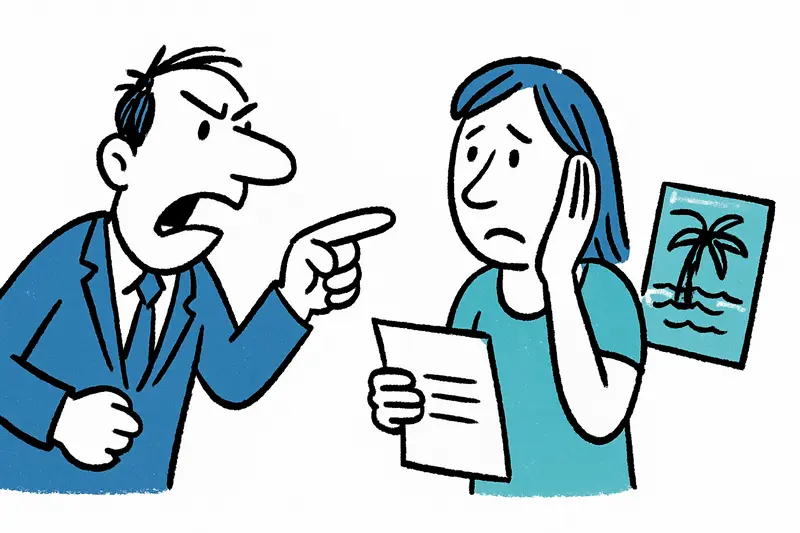
Spain's highest court has upheld the conviction of a businessman who offered graduation trips for students from the mainland to Mallorca, collected the money but never carried out the trips. According to the court the claim amounted to around €400 per person, with total damages exceeding €280,000. The man was sentenced to two years in prison and had previously filed for voluntary insolvency proceedings.
Key question: How could an organiser attract customers for years and then make refunds so difficult that victims must wait a long time for compensation? And what lessons should the island community draw from this?
In short: the case is not just an individual businessman's failure but a puzzle of gaps in payment habits, consumer awareness and insolvency law that often clarifies payment obligations only late. On the streets of Palma, when the Passeig de Born still smells of freshly filled cafés in the morning, you hear groups of students talking about their summer plans — these very groups are particularly vulnerable when organisers lure them with low prices.
Critical analysis: The scam was simple and effective. Small amounts per person seem less risky but accumulate quickly. When organisers use the money immediately — in this case apparently to pay earlier debts — recovering customers' funds becomes a problem. A subsequent voluntary insolvency proceeding makes it even harder for victims to get their money back.
What is often missing from public debate: three points. First, the role of payment methods — many victims transfer money by bank transfer or cash, not by card with buyer protection. Second, the issue of platform liability: if a portal or social media mediates the deal, who checks the provider's reliability, as with many rental offers on Facebook & Instagram? Third, post-insolvency follow-up: there are hardly any fast, low-threshold procedures so that affected groups like students can quickly get compensation.
Everyday scene: On a Saturday morning a small travel group sits on the Plaça Major, laughing at a photo of the beach and comparing WhatsApp chats with offers. The voices sound familiar, the prices tempting. At the same time this lightness slows down reflection — and that is exactly what unscrupulous providers exploit.
Concrete solutions — practical and direct:
1) Rethink payment methods: Avoid bank transfers; instead choose credit card or payment providers with buyer protection. That creates additional legal claims against the payment provider.
2) Make the contract written and verifiable: Travelers should demand a clear description of services, dates, cancellation conditions and company identification; a simple receipt is often helpful for later claims, and be aware of what Mallorca travelers should know at check‑in.
3) Check before booking: Check an extract from the commercial register, the VAT ID (NIF) and reviews from various sources. A quick inquiry at the local tourist office or consumer centre can provide practical clues.
4) Group protection: Universities and student groups should make collective arrangements: a joint escrow account, proof of insurance or travel cancellation insurance for groups.
5) Contact authorities and document: If suspected, report immediately and secure documents: payment receipts, screenshots, emails. Consumer advice centres and the local police are first points of contact, and also be alert to phone scams posing as bank employees.
6) Hold policymakers and platforms accountable: In the long term, compulsory protection mechanisms for organisers' funds are needed (e.g. guarantees or escrow requirements) and better reporting obligations for online intermediaries.
What can help in the short term: Those affected should not rely only on insolvency claims; see the new legal situation for package travelers for related developments. Collective lawsuits by student groups or the involvement of a consumer protection organisation increase leverage. Public reports to banks or payment providers often lead to faster chargebacks.
Despite all criticism we must not forget: the island lives on tourism and on people who want to experience special days here. At the same time we must find a balance between openness to visitors and protecting those who rely on offers.
Concise conclusion: The upheld conviction is a warning sign, not a myth of isolated cases. For Mallorca's visitors and local hosts this means: less trust in cheap instant deals, more care when paying and documenting, and collectively demanded safety mechanisms for travel providers. Only then can beach days be enjoyed without worry — and fraudsters be stripped of their travel privileges.
Frequently asked questions
How can I tell if a Mallorca travel offer is trustworthy before I pay?
What is the safest way to pay for a trip to Mallorca?
What should students in Mallorca do if a graduation trip was paid for but never happened?
Can you get money back after a Mallorca trip scam if the organiser becomes insolvent?
Why are cheap Mallorca group trips sometimes risky?
What documents should I keep when booking a trip to Mallorca?
What can families or student groups do to protect a Mallorca booking?
Where can Mallorca travellers report a suspected travel fraud case?
Similar News
Warning to Bathers: Nipping Fish in Cala Major and Other Coves — a Reality Check
In Cala Major and several beaches around Mallorca, bathers report painful “nips”. Who are the animals, why are they gett...

Rental Car Theft in El Arenal: What This Incident Reveals About Our Gaps
A teenager steals a running rental car in El Arenal, flees on foot, climbs over walls and is caught by the Guardia Civil...
Red Rope in Palma's Library: What Helps Against Selfie Tourism — and What's Missing
Palma's city library cordoned off an area with a red rope to keep selfie tourism away from reading and working activitie...

Fort San Carlos: Museum, Harbor Dispute — and a Conflict That Demands Answers
The military museum at Fort San Carlos sits right on Palma's harbor, with unexpectedly quiet rooms filled with cannons a...
Old Town Under Pressure: When a Doorway Becomes a Sleeping and Shower Place
For months a woman has been living with a parasol, a clothes rack and personal belongings next to the social welfare off...
More to explore
Discover more interesting content

Can Cap de Bou

Townhouse Lleo 72
