
Summer Offensive at Playa de Palma: Responsibility, Gaps, Solutions
Summer Offensive at Playa de Palma: Responsibility, Gaps, Solutions
The National Police report more than 90 arrests during night operations at Playa de Palma; since the start of the operation over 300 people have been detained in tourist centers. A reality check: What do the operations protect — and what don't they?
Summer Offensive at Playa de Palma: Responsibility, Gaps, Solutions
Key question: Are increased arrests, plainclothes investigators and international patrols enough to truly protect tourists and residents?
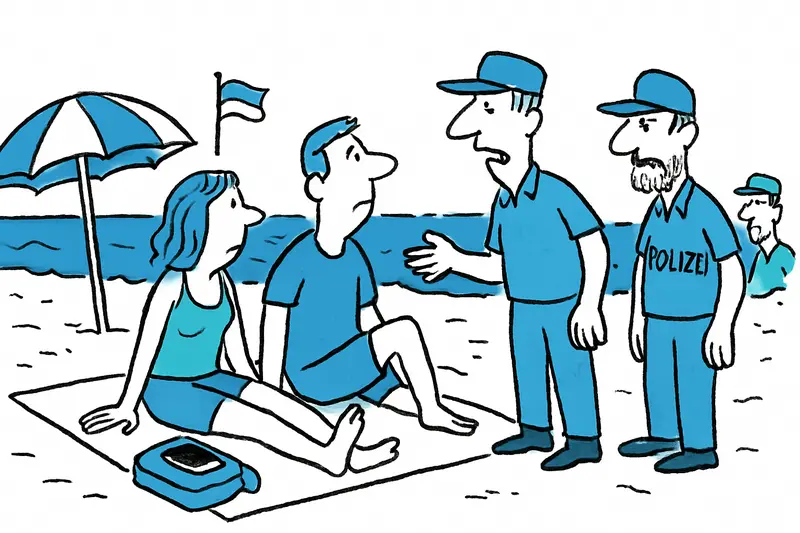
After the first nights of its summer operation Night raid at Playa de Palma: assessment, questions and what's missing, the National Police draw a harsh balance: more than 90 people were arrested at Playa de Palma, and in Palma and the tourist centers more than 300 people are said to have been taken into custody since the start of the offensive, according to Palma takes stock: Arrests made — is that enough to make beaches safer?. The focus is on pickpocketing and thefts on the beaches — perpetrators often take advantage of the moment when bathers are in the water and leave towels or bags unattended.
Police vans are now a familiar sight on the streets around the Passeig Marítim, plainclothes investigators blend into the sidewalk cafés, and officers in mixed patrols help when German, Dutch or Romanian is needed. This gives many holidaymakers a reassuring feeling; for residents, however, the question remains: how sustainable is such a tactic?
Critical analysis: Arrests are important, but they often only address the visible consequences of a deeper problem. When officers detain suspected thieves at night, that is an immediate reaction; a recent Playa de Palma at Night: Phone Tracking Catches Suspect shows how technology can lead to quick arrests. Problems such as organized gangs, the housing and working conditions of the perpetrators, the lack of prevention on the beaches and the economic pull of the tourist season remain. Measures without targeted prevention often just shift the crime scenes — from the Playa to small coves, from busy streets to side streets.
What is missing from the public debate: there is less talk about prevention measures, victim support or how tourism offerings and safety along the coast can be smartly linked. Also little discussed is how well cooperation between municipalities, hoteliers, beach operators and the police really works — and whether the controls at airports, which the police say have also been increased, are coordinated with work on the ground.
A Mallorca everyday scene: It is early evening, glasses clink in the bar on Avinguda de Bartomeu Salvà, and in the distance you can hear the lifeguards raising the flag at the beach. A family spreads out over two towels; the phone lies exposed on a backpack. At the next table two beach vendors quietly discuss the recent controls. This mix of routine, carelessness and business creates spaces where pickpockets can easily operate — and sometimes controls alter the atmosphere, as covered in Tumults at Playa de Palma: When Controls Threaten the Beach Scene.
Concrete solutions that go beyond arrests:
1) Multilingual prevention campaigns: Information signs and short audio messages on the beach and in buses in several languages — not just warnings, but concrete behavioral tips (e.g. supervised lockers, advice on common distraction techniques).
2) Safer beach infrastructure: Expansion of supervised lockers at major beach access points, clearer routing, better lighting at beach access points and parking lots, cooperation with lifeguards as witnesses.
3) Cooperation with the hospitality sector and landlords: Mandatory information for guests at check-in (short safety tips), posting requirements in holiday rentals, training for hotel reception staff to recognize suspicious groups.
4) Strengthened prevention at transport hubs: Uniform checks at airports, bus stations and ferry terminals, real-time exchange of relevant data between Balearic security authorities and origin countries to identify mobile gangs.
5) Social and judicial approaches: Measures against organized crime, but also reintegration programs, sanctions against professional gangs and clearer legal support for victims to recover their property.
What the police do right: presence and rapid response units reduce the window of opportunity for crimes, and mixed patrols make communication with tourists easier. But presence alone is not a panacea; it needs complementary measures for the effect to take hold.
Punchy conclusion: More arrests provide short-term reassurance; Mallorca will only become sustainably safer when controls, prevention and social policy work together. The scene at Playa de Palma shows that security is not purely a police issue — it is a community project between authorities, businesses and the people who live and work here. Relying solely on arrests ultimately leaves many blank spots on the map, but few sustainable defenses.
Frequently asked questions
How safe is Playa de Palma for tourists during the summer in Mallorca?
What practical steps beyond arrests are recommended to protect beachgoers in Mallorca?
How can travelers protect their belongings on Mallorca beaches like Playa de Palma?
How is Mallorca coordinating security between airports, ferries, and local police?
What roles do hotels and landlords play in Mallorca’s coastal safety plan?
What is the broader approach needed for sustainable safety on Mallorca’s coast?
What challenges are identified in Mallorca’s approach to coastal crime beyond arrests?
Are there multilingual beach safety messages in Mallorca to help tourists?
Similar News
Magaluf: Watchtower Alarm – Lifeguards Pull Unconscious Beachgoer from the Water
After a drama in the late afternoon, two lifeguards at Magaluf beach rescued an unconscious 44-year-old man. He was stab...
Turquoise in the City: How dangerous is the color play of the Sa Riera?
The Sa Riera in Palma suddenly turned turquoise — a pretty motif, but behind the effect lies a discharge of saline waste...

Jeckliner at Sunnesching: Cologne spirit sets sail from Palma
In September 2027 the Mein Schiff 2 briefly becomes a floating carnival stage: four days with Cologne bands, comedy and ...
Finally Home: Mike and Leyla Heiter Buy Villa with Sea View in Mallorca
The reality TV couple Mike and Leyla Heiter have bought a house in Mallorca with a roof terrace and sea view. An Instagr...

Arrest after series in Palma: Who protects apartments from repeat offenders?
The National Police arrested a man in Palma who investigators say may have broken into several apartments. In one incide...
More to explore
Discover more interesting content

Can Cap de Bou

Townhouse Lleo 72
