
Sun Now – Weather Shift Possible: Does Mallorca Need to Prepare for a Wet Wednesday?
Sun Now – Weather Shift Possible: Does Mallorca Need to Prepare for a Wet Wednesday?
Bright skies along the promenades, springlike 18–24 °C – but forecasts show increasing uncertainty for midweek. A brief overview of what this could mean for daily life, roads and businesses on the island.
Sun Now – Weather Shift Possible: Does Mallorca Need to Prepare for a Wet Wednesday?
Key question: How likely is the change and what should residents, businesses and day-trippers do now?
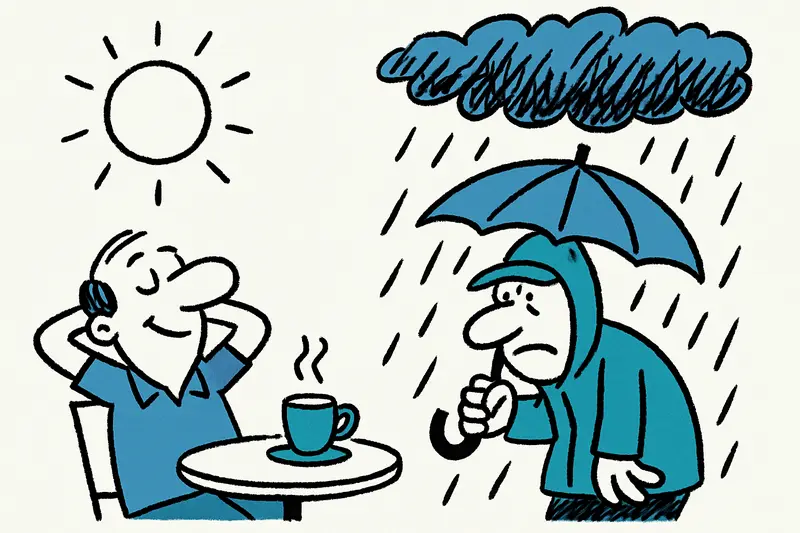
On Sunday morning the air in Palma smells of fresh coffee and the sea: cafés on the Passeig Marítim fill their terraces, a few fishermen pull nets at Portixol, and the thermometer shows around 18 °C in the city. Driving through the fields near Marratxí you can see olive trees in tender green and cyclists taking advantage of the mild temperatures. According to AEMET this calm, springlike weather will remain at first – but the model maps show increasing uncertainty from Tuesday, as noted in Short late summer — then a weather turnaround: What Mallorca needs to know now.
What do the numbers say specifically? Next week starts with lots of sun and temperatures locally already reaching 22–24 °C, especially in the northeast (Pollença, Artà). Winds remain mostly weak to moderate from southerly directions, causing the usual afternoon sea breezes along the coast. Forecasts for Wednesday, however, show increasing cloud cover and locally brief showers; some model runs bring in cooler air masses and a noticeable dip in temperatures.
Critical analysis: Why the uncertainty is greater than it first appears. Weather models differ because small-scale processes – for example the interaction of land and sea breezes or the hesitancy of cold-air pools over the western Mediterranean – are very sensitive. In the Serra de Tramuntana, downslope winds and precipitation cores can suddenly turn sloping roads into slides; proximity to the coast also means that clouds and showers can vary strongly over short distances. In short: one model may show only a few drops, another a half hour of steady rain. For the island this means small differences in the forecast can have large consequences.
What is often missing in public discourse. There's a lot of talk about temperatures and 'possible showers', but rarely about specific local impacts: which roads are particularly vulnerable in rain (e.g. the hairpins down into the Tramuntana valley), where drainage is under pressure (older districts in Palma such as El Molinar), and how short, intense showers affect ferries and small boat operators? This issue is examined in First storm warning, then sun: How well is Mallorca prepared for this changeable weather? The perspective of agriculture – especially young seedlings and greenhouses that are sensitive to storm or hail – is also hardly discussed.
Everyday scene from Mallorca: in the early afternoon the promenade in Port d'Alcúdia is full of families. Children build sandcastles, a bar owner hurriedly covers the tables outside because "you never know." Such moments show how unobtrusively a weather change slips into daily life – first a dark stripe on the sky, then a heavy downpour. Many people react spontaneously; that usually leads to improvised solutions, not always safe.
Concrete solutions – pragmatic and local: 1) Authorities: send short, targeted alerts via local channels (ayuntamientos, municipal warning accounts); keep service vehicles ready for especially slippery country roads; check gutters in rainfall hotspots. 2) Businesses and port operators: have boat landings and small ferries check departure schedules and act flexibly when in doubt; secure tables and umbrellas at beach bars the evening before. 3) Residents and day-trippers: activate weather apps with AEMET notifications; keep rain protection in the car; reduce speed on hairpin roads. 4) Agriculture: cover sensitive crops, adjust irrigation plans and consult local agricultural advisers.
Why these measures are realistic: they don't require large resources, but mainly coordination and attention. A short SMS service by the municipalities or a notice at the weekly market can reach people who are not always online. And simple actions – for example fastening sun umbrellas in the evening – prevent damage. Similar recent cases are described in Late-summer shift in Mallorca: Sunny Saturday, storms from Sunday night — are we prepared?
What we observe: the island is so far in a good spring mode. Children run through fountains in Palma, tourists photograph the blossoms at Plaça Major, farmers sell strawberries by the roadside. But nature is capricious: a wet Wednesday can disrupt outings, make roads slippery and hit small businesses at short notice.
Pithy conclusion: Enjoy the sun – but don't act only when the first drops fall. The probability of a weather shift midweek is not low enough to ignore. Those who prepare a little stay dry and avoid trouble. And for those responsible on the island: short, concrete warnings and a few practical measures are often enough to turn small weather disturbances into acceptable disruptions.
Frequently asked questions
Will Mallorca stay sunny at the start of next week?
Is a wet Wednesday likely in Mallorca?
What temperatures can Mallorca expect before the weather changes?
Should I still plan a beach day in Mallorca this week?
What should drivers know about rain in the Serra de Tramuntana?
Why can Palma be affected quickly when Mallorca gets showers?
How should Mallorca cafés and beach bars prepare for changing weather?
What is the best way to prepare for changeable weather in Mallorca?
Similar News

More water than last year: Mallorca's reservoirs breathe easier
September rain refilled the Tramuntana's reserves: overall fill around 35 percent, Cúber at 40.42 percent, Gorg Blau at ...

Three Luxury Hotels in Banyalbufar: Lots of Money, Many Questions
A Danish investor plans three exclusive accommodations in Banyalbufar — including the historic Son Valentí. The announce...
2.1 tonnes of cocaine on sailing yacht off Spain's coast – a reality check for the coastguard
A 14-metre yacht was seized with 2.1 tonnes of cocaine. Who monitors the ports, how does the international hunt succeed ...

Heat Bonus in Mallorca: 100 Euros Extra for Outdoor Staff at MarSenses
MarSenses pays employees who worked outdoors in August an extra €100 as recognition. Lighter uniforms, reduced hours for...
Renovating in Mallorca: What You Really Can Do Without Neighbour Consent
Many think they can do whatever they want in their apartment. That's partly true — but only as long as structural elemen...
More to explore
Discover more interesting content

Can Cap de Bou

Townhouse Lleo 72
