
Sweet Gazpacho: The New Summer Recipe That Slurps Away the Heat in Mallorca
Sweet Gazpacho: The New Summer Recipe That Slurps Away the Heat in Mallorca
Instead of ice cream, a cold soup: fruit gazpacho with watermelon, cherries, strawberries or plums brings fresh flair to Mallorca's tables. Simple ingredients, quick preparation and perfect for taking seasonal fruit to the beach.
Sweet Gazpacho: The New Summer Recipe That Slurps Away the Heat in Mallorca
Fruity variations, market-basket ideas and a small practical guide for hot days
When the cicadas start their endless melody along the lanes of Palma and the heat on Passeig del Born sits like a heavy scarf on sunny days in Palma, people look for cooling with a sense of taste. A cold little soup is nothing new in Mallorca – we all know gazpacho. What is new is how many locals and market sellers are currently mixing their tomatoes with summer fruits: watermelon, cherries, strawberries or plums create a sweet-fresh version that's quietly spreading through local restaurants and home kitchens on the island.
The idea behind the variations has been given a nutritional-science voice: Belén Serena put together four fruit gazpacho recipes, all built on the same base. I checked the ingredients in the Mercat de l'Olivar and tried them myself – simple cooking, no fuss, perfect for lunch breaks under the awnings.
The base (for one to two portions) is classic and light: 250 grams of ripe tomatoes, a quarter cucumber, 40–50 grams of red pepper, one tablespoon extra virgin olive oil, one teaspoon sherry vinegar and salt to taste. For a thinner texture, add a little water. On this foundation the fruits are added, each giving its own note to the version:
Watermelon variant: 150 grams of watermelon – particularly refreshing, sweet and velvety.
Cherry variant: 100 grams of pitted cherries – an intense color accent, elegant acidity.
Plum variant: Two ripe plums (100–120 grams) – velvety, with a slight bite.
Strawberry variant: 100 grams of strawberries – aromatic, fresh, child-friendly.
Preparation is child's play: blend everything together in a food processor or with a hand blender, season with salt and vinegar and then let it rest in the refrigerator for at least an hour. On Mallorca this is practical: in the evening before a walk along Portixol the little bowl is already cold on the terrace, ready to face the evening heat.
A few local kitchen tips: at the Mercat de l'Olivar I look for firm but ripe tomatoes – they give the soup body. A squeeze of lemon juice instead of a teaspoon of vinegar changes the freshness; if you have mint or basil, sprinkle a few leaves just before serving. In beach bars on Avinguda Gabriel Roca you could offer this as a small starter at some of the island's six beach clubs; glass bottles with screw caps are good for taking it to the beach.
Why does this go down well in Mallorca? First: it uses seasonal fruit that is currently abundant at the weekly markets. Second: it helps take in fluids and fresh nutrients without feeling heavy in the stomach – practical when the midday blaze forces cafés into siesta. And third: it's easily adaptable; bars, families and holiday apartments can offer variations that delight children and guests.
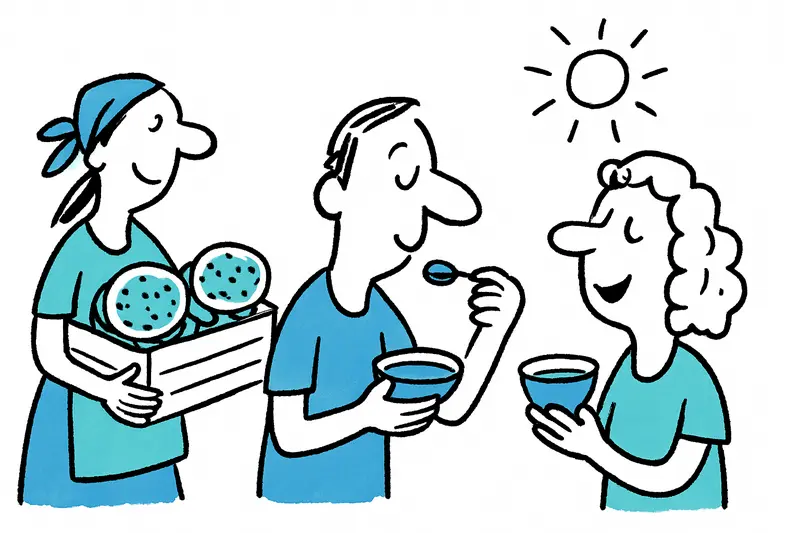
A little everyday scene: early in the morning a market seller carries a crate of halved watermelons across the square, the smells of freshly baked bread and coffee mingle in the air. Two neighbors stop by, taste a spoonful of the new gazpacho from a paper cup and nod. No big fuss, just a moment in which the heat feels a little less.
If you're a little adventurous you can play the sweetness against a pinch of hot pepper or some Serrano ham as a counterpoint. For children the strawberry or watermelon version works especially well; they get fruit playfully and drink it at the same time. Small restaurants could put the recipes on the daily menu – an easy way to showcase local products and offer guests a refreshing alternative.
My conclusion: not a gourmet firework, but a practical invention for hot days. The recipes are quick, versatile and as Mallorcan as an improvised meal on a shady balcony can be. It's worth trying – and when the gazpacho is served on the promenade with the sound of the sea in the background, you'll remember why simple things are often the best.
Frequently asked questions
What is the weather like in Mallorca year-round?
Is it worth swimming in Mallorca outside peak summer?
What should I pack for a trip to Mallorca?
What are the top outdoor activities to do in Mallorca?
When is the best time to visit Mallorca for fewer crowds?
Do I need a car to get around Mallorca or can I rely on public transport?
What should I know about Mallorca beaches and safety?
What language will I encounter in Mallorca, and is English common?
Similar News

Mistaken identity with fatal consequences: Brutal assault in S'Aranjassa — what's missing in the follow-up?
At S'Aranjassa a visitor to a finca was tied up, beaten and thrown out of a van. Three men have been arrested, including...

High heel slips, car accelerates: accident on Camí de Son Hugo
A woman lost a high-heeled shoe on the forecourt of the sports facility at Camí de Son Hugo. The car accelerated, mounte...

Phone Scam: How Two Hotel Employees at Playa de Palma Lost Thousands of Euros
One morning in September, two reception employees at Playa de Palma were pressured by alleged alarm-company staff — in t...

When the Wallet Becomes a Danger: Attack in Peguera and Lessons for Mallorca
In Peguera, two women are said to have stolen the wallet from a 75-year-old German couple. When the victim intervened, t...
Plata stays Plata: Young people take over, Llonguets remain
A small bar on Carrer de l'Argenteria will continue: Tolo Serra hands the place over to young Mallorcans at the end of t...
More to explore
Discover more interesting content

Can Cap de Bou

Townhouse Lleo 72
