
Ten-year-old triggers fire near Inca – a wake-up call for the island
Ten-year-old triggers fire near Inca – a wake-up call for the island
A boy played with fire and a spray can on the outskirts of Inca; a fire spread quickly. Why such a small trigger is so dangerous in Mallorca — and what we should do now.
Ten-year-old triggers fire near Inca – a wake-up call for the island
Leading question: Why can a single moment of inattention endanger entire landscapes?
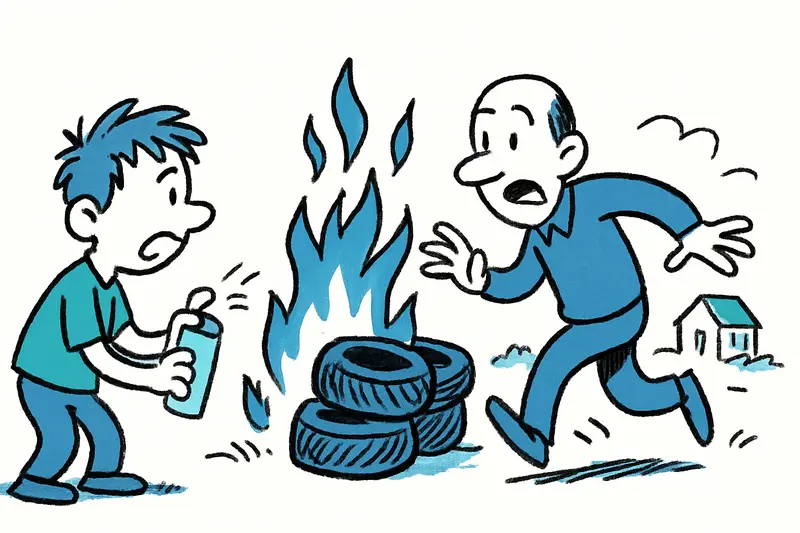
On Sunday afternoon at around 1:20 pm a child's play with a lighter and a spray can in the Can Trujillo area near Inca started a fire that quickly engulfed wide areas. The Balearic conservation institute IBANAT reported a dense, black column of smoke. Fire vehicles from Inca and Alcúdia as well as the firefighting helicopter "La Milana" responded; in addition, teams from IBANAT, the Guardia Civil and the local police were on site, as described in Heavy Deployment in Inca: Firefighter Injured — and the Big Questions That Follow. No one was injured. Vegetation areas, a small greenhouse and numerous stored tractor tires were destroyed.
The facts are sparse but credible: a ten-year-old boy, described by investigators as being of Moroccan origin, played with an exposed lighter and a spray can – that was enough to carry sparks into dry grass. In a landscape marked by heat and drought, one spark is enough.
Critical analysis: Where protection and control are lacking
The incident reveals several problem areas. First: easy access to accelerants and combustible stored goods. Dozens of tires in the open are ideal fuel. Second: lack of education and supervision. Children often do not understand the danger of fire; a lighter is for them not a hazard but a toy. Third: landscape vulnerability. For weeks there has been an elevated risk of wildfires – hot, dry winds make any ignition a potential catastrophe, as noted in Mallorca on Alert: Highest Wildfire Warning Level and Scorching Heat – What to Do Now.
Operationally, the response worked: fire brigades, the helicopter and IBANAT teams acted in coordination and prevented an even wider spread. But reaction is always more costly and riskier than preventive measures.
What has been missing so far in the public debate
The discussion often focuses on questions of blame: who is liable, who will be prosecuted? A more important perspective would look at structural causes. Why were tires stored unsecured in an agricultural area? What role do ownership arrangements and inspections play in such zones? And: how do prevention campaigns reach the families whose children play outside the towns?
There is also a lack of honest assessment of how to deal with minors as perpetrators: punishment alone does not help. There is a need for socio-educational approaches, educational programs in schools and locally anchored prevention initiatives.
Everyday scene from Mallorca
On a hot afternoon you notice the smell of hot asphalt and citrus trees; you see tractors, old stacks of tires behind walls and children playing at the edge of the fields. Such scenes are familiar – and that is exactly the problem: normality overlooks risks. When the wind changes, a brief moment of distraction is enough to break the calm.
Concrete, immediately implementable solutions
1. Secure storage: Open tire storage should be banned or at least fenced and kept at safe distances with fire breaks. Municipalities can maintain lists of vulnerable storage sites and conduct regular inspections.
2. Local prevention: Workshops in schools and community centers about fire risks, combined with practical exercises (fire avoidance, raising the alarm). A short, age-appropriate program for primary school pupils makes a difference.
3. Owner responsibility: Landowners must be informed about obligatory measures – for example keeping firebreaks clear around storage sites and greenhouses.
4. Early warning and reporting systems: Neighborhood networks via WhatsApp/Telegram, linked to municipal alert chains, can report fires faster before they get out of control.
5. Political measures: Temporary bans on using gas/spray cans outdoors during high risk and stricter rules for disposal of old tires.
Conclusion – a clear appeal
The fire near Inca was not a natural event in the classic sense, but the product of a small human action in a landscape under stress. It is easy to express outrage; harder is drawing the right lessons. Those who now systematically secure storage sites, strengthen prevention in schools and establish simple local reporting chains reduce the risk that a single spark will once again shroud the island in smoke. In short: fewer accusations, more practical prevention – that is the bill Mallorca must pay now, in the wider national context Spain is Burning: Fire Traces as Far as Mallorca – Is the Country Really Prepared?.
Note: The account is based on official statements from the Guardia Civil and the Balearic conservation institute IBANAT as well as reports on the forces deployed (fire brigades from Inca and Alcúdia, firefighting helicopter "La Milana"). There were no injuries.
Frequently asked questions
What is Mallorca's weather like and when is best for beach days?
What should I pack for a trip to Mallorca?
Can I swim in Mallorca year-round?
Is it easy to get around Mallorca without a car?
What local foods should I try in Mallorca?
What are good day trips from Palma for a scenic Mallorca experience?
Which beaches near Alcúdia are great for families?
Where are good sunset viewpoints on Mallorca's west coast?
Similar News
Rats in Llucmajor: How Uncollected Garbage Became a Health Problem
In Llucmajor, uncollected trash bags, overflowing containers and rain are leading to increased rat sightings. An assessm...
Sly Distraction Scam at Ballermann: How Tourists Became Targets — and What Must Be Done Now
Five suspected pickpockets were arrested. Their method: distract, secure the loot, return the wallet — without the cash....
Eviction in El Arenal: Who protects neighbors — and who protects the homeless?
A vacant hotel on Carrer Girona was cleared and secured. The neighborhood breathes a sigh of relief. But the action trea...
'La Tapita' loses its home: Who will protect Palma's last affordable meeting places?
The bar 'La Tapita' on Simó-Ballester Street will close at the end of December. For neighbors, police officers and small...
Million Heist at Bulgari: Who Is Responsible for Palma's Security Gaps?
Three men stole jewelry worth around one million euros – the crime series began at the end of September and was likely c...
More to explore
Discover more interesting content

Can Cap de Bou

Townhouse Lleo 72
