
Heat alarm in Mallorca: Key question, gaps and how we must act now
Heat alarm in Mallorca: Key question, gaps and how we must act now
The first heatwave of 2026 brings tropical nights, AEMET warnings and high temperatures in coastal towns and mountains. What is missing in everyday protection and which concrete steps help now?
Heat alarm in Mallorca: Key question, gaps and how we must act now
Key question: Are our cities, services and neighborhoods prepared for heat that no longer cools down at night?
Summer has started early on the island. In mid-June, mercury readings at some stations climbed to around 39 degrees; in some places nights did not fall below 25 to 29 degrees. AEMET issued warnings for large parts of Mallorca – orange in the south, yellow at the edges and in the island's interior. These figures are not an abstract meteorology quiz: they mean people sweating, stressed power grids and open questions about supply.
Critical analysis: The acute situation is clear: stable, dry air, strong sunshine and hardly any wind cause high values during the day, while warm air masses prevent cooling at night. Particularly noticeable are the so-called tropical nights in places like Banyalbufar or the Calvià area, but also in harbors in Palma and Portopí. In higher-altitude locations like Escorca or at the Capdepera lighthouse, the low temperatures remained unusually high. AEMET warnings are useful, but they are not enough to limit the social consequences; for analysis of overall readiness, see How prepared is the island for the next heatwave?
What is missing from the public debate: The discussion is currently focused on temperature figures and warning levels. Hardly discussed, however, are three things: first, the actual burden on vulnerable people – older residents, people with chronic illnesses, and the homeless. For reporting on the lack of specific measures for people without homes, see no official heat protection for the homeless in Mallorca. Second, the strain on infrastructure: power spikes from air conditioners, water consumption and possible shortages in drinking water supplies are largely unmentioned. Third, there is little debate about urban heat islands: narrow streets, dark surfaces and a lack of trees reduce nighttime cooling.
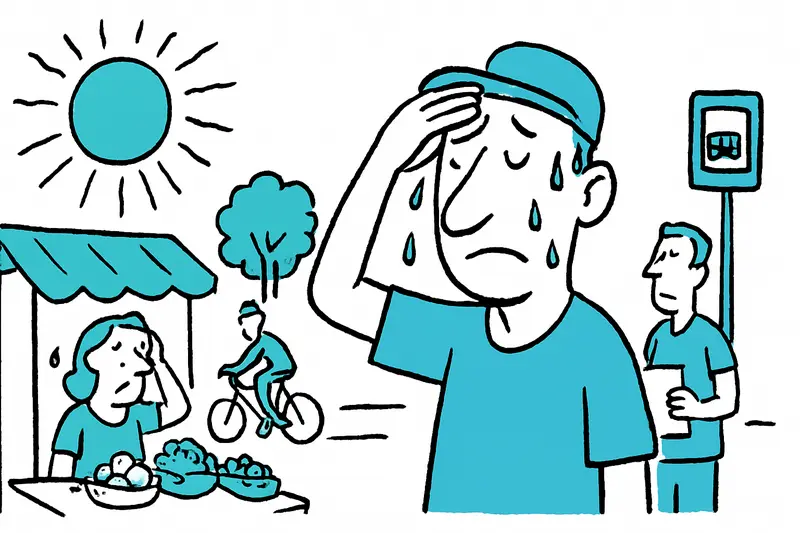
Everyday scene from Mallorca: Late in the morning the sun presses down on the Passeo del Borne in Palma. Market stalls cast stark shadows, a vendor wipes sweat from her brow, bicycle bells are rarer – people seek the shade of plane trees or a café with a fan. At the bus stop in Portopí a delivery driver quietly discusses his shift times: "Start early in the heat, take a break in the afternoon, otherwise it's inhumane," he says. Such scenes repeat at construction sites in Calvià, on fincas and in tourist areas – the heat changes daily routines. Local reporting described similar scenes in Palma: When Palma is sweating by mid-morning: Heat Alert, Risks and What's Missing Now.
Concrete, immediately implementable measures: 1) Municipal drinking stations and mobile coolers at busy places and at outdoor workplaces. 2) Publicly accessible, air-conditioned rest points (temporary cooling centers) in neighborhoods with many older residents, especially on days with AEMET alerts. 3) Adjustment of service and construction hours: move more work to early morning hours, mandatory breaks during the hottest hours. 4) Stronger, clearer warning communication: AEMET warnings must be combined with practical guidance – where to find shade, water and help. Local coverage has also linked recent alerts to the influx of hot African air and Saharan dust, which can intensify conditions: heat alert with African air and Saharan dust.
Medium-term steps that bring big benefits: 1) Greener urban landscape: accelerated planting of shade-giving trees along main axes (e.g. replacing bare tree pits on the Passeig Marítim). 2) Light, reflective road surfaces and cool-roof programs for public buildings; simple measures, low effort, noticeable cooling. 3) Strategies to strengthen water storage and distribution so drinking water reserves remain stable even under high demand. 4) A local heat action network: municipalities, health services, community members and employers must define automated alert chains and support teams.
Practical tips for everyday life: seek shade, drink low-salt fluids, wear lightweight clothing, reduce physical exertion at midday. If you have elderly neighbors: call briefly or drop by. If you must work outdoors: take sufficient breaks, use sun protection and drink regularly. And: use air conditioning sensibly while saving energy in parallel – open windows in the evening, create cross-ventilation at night to cool indoor spaces if the nights allow.
What must happen now: Heat is not just a weather event, it is an organizational test for cities and municipalities. AEMET provides the data; the next task lies with politics and neighborhoods. Quickly implementable measures can save lives and reduce strain on the grid. At the same time, a plan is needed so future summers do not hit communities and infrastructure so brutally.
Conclusion: Mallorca is at the start of a hot phase that also brings nights without cooling. The key question remains: Can we act preventively and practically, or will we merely manage the next heatwave? Those who take this seriously start today with water stations, shading plans and a simple rule: heat is no longer an exceptional event – it is a condition that everyday life and politics must reckon with.
Frequently asked questions
How prepared are Mallorca's towns for heat waves, and what can residents do to stay safe?
What practical steps should visitors to Mallorca take during a heat spell?
What do AEMET heat warnings mean for everyday life in Mallorca?
What long-term measures could reduce the impact of heat on Mallorca?
What are tropical nights, and where have they been observed in Mallorca?
How could Mallorca's urban areas along Passeig Marítim be cooled more effectively?
Why are nighttime temperatures near Palma’s harbors a concern during heat alerts?
What can municipalities in Mallorca do today to protect older residents during heat warnings?
Similar News

Ryanair Flight Diverted to Barcelona: An In-Flight Emergency and the Questions That Follow
A Ryanair jet from Pisa to Málaga landed in Barcelona after a passenger became acutely ill. Why these cases need more at...
Alarm in Port de Pollença: What now for the polluted bay?
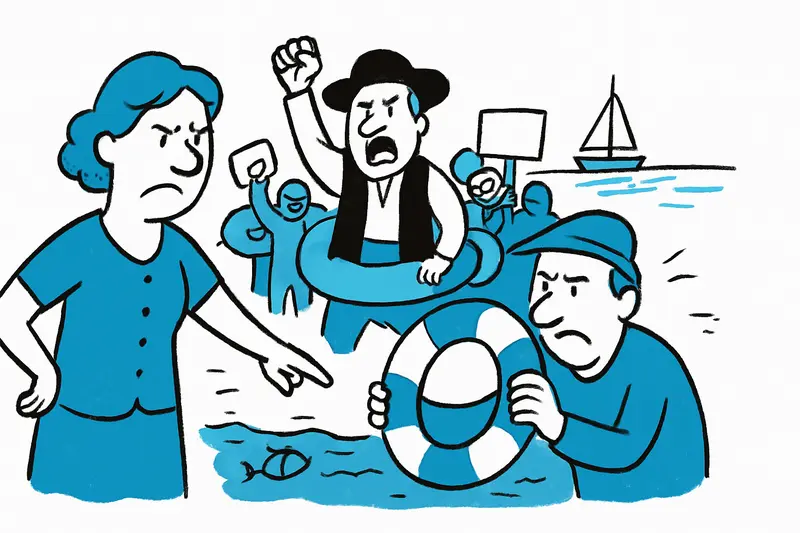
Hundreds of people protested on the beach of Port de Pollença. The environmental organization Arrels Marines demands a p...

Micaela Schäfer: Between Playa de Palma and a Berlin Law Firm — New Calm, an Old Tomcat and Solid Finances
The party artist from the Ballermann scene appears surprisingly down-to-earth: a new relationship with a Berlin lawyer, ...
At Playa de Palma: Fire in Residential Building – six people rescued on the roof, what is missing in prevention?
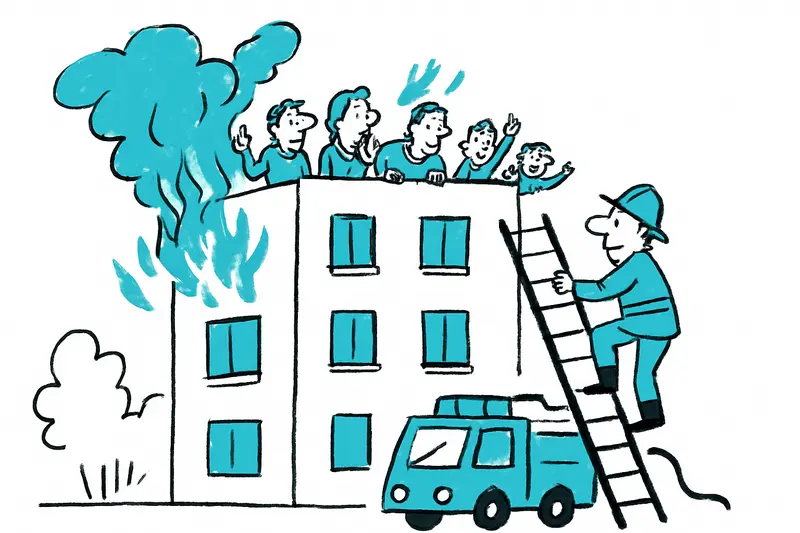
In the evening a fire broke out on the first floor of a five‑storey building on Calle Trasimé. Six residents fled to the...
New License Requirement for Mini-Boats in Mallorca: Protection Measure or Tourism Brake?
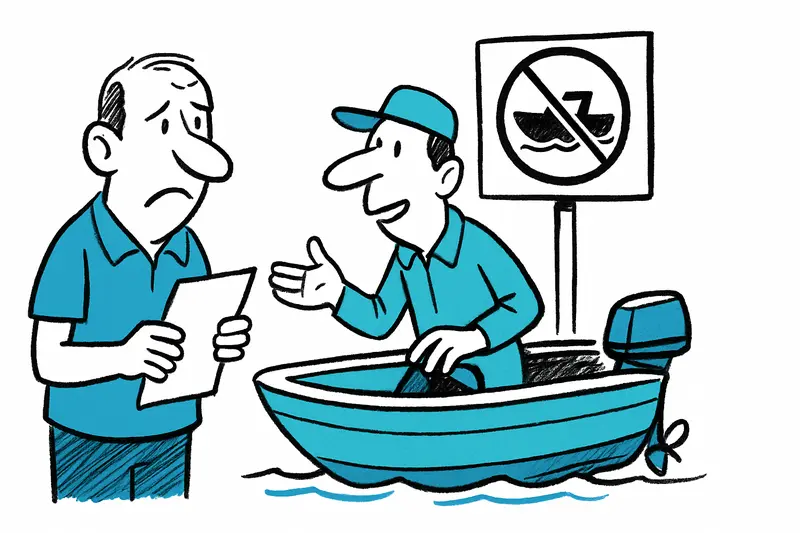
From October 1 renters of small recreational boats in the Balearics must present a boating license. Critical questions r...
More to explore
Discover more interesting content

Boat Tour with BBQ along Es Trenc Beach
Private transfer from Mallorca Airport (PMI) to Pollensa
