
Toilet Emergency over the Atlantic: What the Madrid–Dallas Incident Reveals About Flight Safety and Passenger Thinking
Toilet Emergency over the Atlantic: What the Madrid–Dallas Incident Reveals About Flight Safety and Passenger Thinking
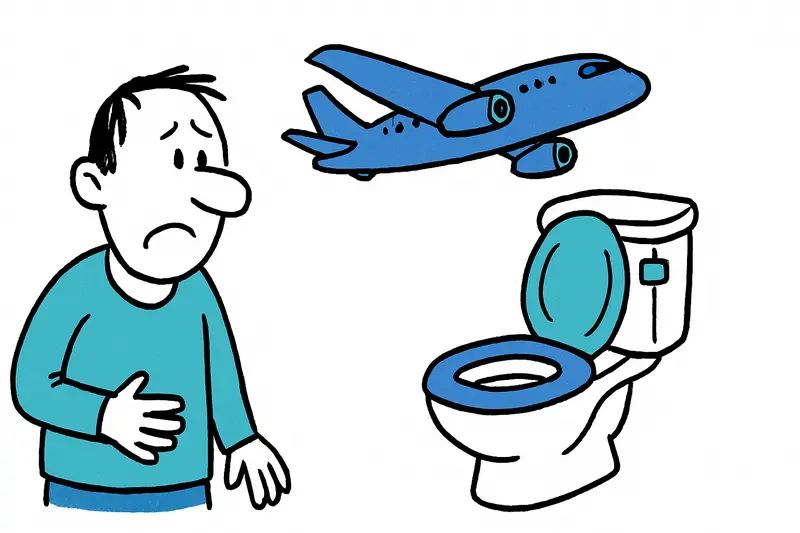
Six of eight toilets failed on a Madrid–Dallas flight; the crew made a precautionary landing in New York. A harrowing experience for travelers — and a reminder not to underestimate onboard systems.
Toilet Emergency over the Atlantic: What the Madrid–Dallas Incident Reveals About Flight Safety and Passenger Thinking
Guiding question: How far can a technical defect compromise safety and dignity on a long-haul flight?
On October 6, a long-haul flight from Madrid to Dallas experienced an unusual and highly unpleasant problem for those on board: according to flight data, six of eight onboard toilets failed on a Boeing 777. The aircraft, apparently carrying about 287 people, made a precautionary landing at New York–JFK for safety reasons, a response also seen when a Ryanair plane was forced into an emergency landing by a sanitary problem. It remained on the ground there for roughly three and a half hours before the journey continued — in the end, the trip from Madrid to Dallas lasted almost 15 hours.
The awkward imagery quickly swings from humor to outrage. For the people on the plane it was no joke: extended periods without working lavatories in a confined space create stress, health risks and legal questions. The crew made a decision that might surprise some: an unscheduled stopover was preferable to the risk that conditions and comfort in a crowded cabin could spiral out of control, as explored in what a 'toilet problem' reveals about flight safety.
Technically, such failures cannot be blamed on a single cause. Modern widebody aircraft use vacuum-assisted lavatory systems, electric valves, sensors and collection tanks. Problems can arise from mechanical wear, blocked lines, faulty valves, electrical faults or maintenance shortcomings. Important to note: none of these scenarios is absurd or invisible — they are real vulnerabilities in infrastructure that operates behind the scenes.
What is often missing from public debate is the connection between comfort failures and safety decisions: when does a comfort issue become a safety issue? Who decides that — pilots, cabin crew, ground operations? And how binding are the criteria that lead to a precautionary landing? Clear, passenger-understandable explanations are lacking. After an incident it often remains unclear which technical checks were performed before the flight resumed and what information the crew relayed to air traffic control.
On Mallorca, dealing with travel stress is familiar: on Passeig Mallorca I see the same morning routines as on any travel day — café patrons, rolling suitcases, taxi horns. Conversations at the airport often go like this: "Do you have the tickets? The seat? Hopefully the equipment works." The ordinary sound of coffee before departure suddenly feels like insurance against unpredictability. But when something as mundane as a lavatory fails, you notice how fragile routine can be.
Concrete measures that could reduce the risk of such incidents range from pragmatic changes to organizational rules:
For airlines and technical managers: more intensive, documented pre-flight tests of sanitary facilities, improved redundant systems for critical components, stocked spare parts in maintenance hubs at major gateways, and clearer operating instructions for crew on when a diversion is unavoidable.
For aviation authorities: mandatory minimum standards for the number of functioning toilets on long-haul flights and transparent reporting obligations when failures lead to a precautionary landing. Such standards would help avoid arbitrary decisions and build trust.
For passengers: short-term tips: document incidents (date, flight number, photos if possible), request a written confirmation of the incident from the airline, and contact consumer protection organizations if there are problems with onward travel or compensation, as when a Ryanair flight turned back and landed in Lanzarote. During extended stopovers: stay calm, as crew and ground staff usually work intensively on a solution.
Missing from public discussion is also the question of costs and responsibility. An unscheduled stopover costs time, fuel and staff hours — who bears these costs? And how are compensations for those affected handled? Transparent disclosure of costs and responsibilities would help ensure such incidents are not dismissed merely as curiosities.
To conclude with a concise point: onboard toilets are not a luxury but part of operational safety and the human code of dignity in travel. Anyone who experiences the small uncertainties of roads and ferries daily on an island like Mallorca knows: technology fails, people act. What matters is that systems are designed so failures do not escalate into emergencies. A diversion to New York is not an embarrassment — it is a sign the crew is taking responsibility. Still, the question remains whether enough is being done to make such signals less necessary.
Frequently asked questions
What happens when several toilets fail on a long-haul flight?
Who decides if a flight should divert because of cabin comfort or safety concerns?
What are common causes of malfunctioning lavatories on airplanes?
What measures can airlines take to reduce lavatory failures on long-haul flights?
What should a passenger do if they experience a flight incident like a toilet failure?
Are there industry standards for how many functioning toilets long-haul flights should have?
Why is a functioning cabin lavatory considered part of safety and dignity in travel?
What should travellers from Mallorca know about handling disruptions on long-haul trips?
Similar News
When Inca Gets Stylish: How Much Space Remains for Locals?
Scaffolding suddenly shapes the streets of Inca. Who benefits from the renovations in the historic centre — and who gets...
Arrest after alleged assault in El Molinar: Who protects guests and staff?
A young woman filed a complaint after allegedly being sexually groped in a restaurant on Palma's waterfront promenade. T...
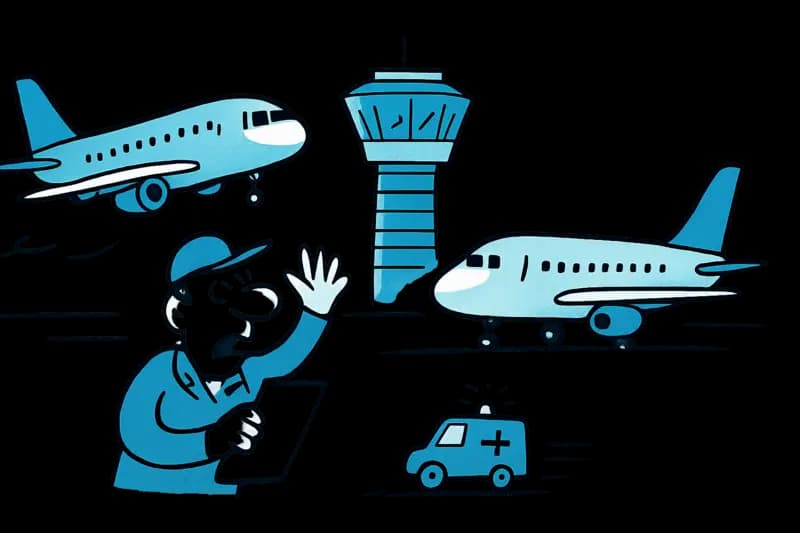
Two Emergency Landings Minutes Apart at Palma Airport — A Reality Check
At Son Sant Joan Airport, air traffic controllers and emergency crews had to respond twice on an October morning: a jet ...
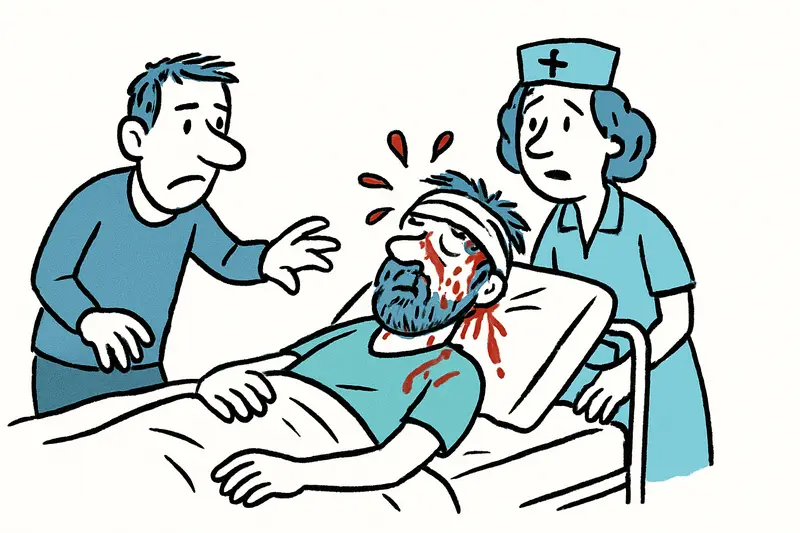
When they defended two women — and ended up blood-soaked in hospital
On Palma's nightlife promenade an intervention against sexist harassment escalated: two young men were seriously injured...
Thief takes salon security — and even steals the camera
In Palma a man stole the tip jar and the surveillance camera from a massage salon. A neighbor filmed the act and handed ...
More to explore
Discover more interesting content

Can Cap de Bou

Townhouse Lleo 72
