
Arrest after alleged assault in El Molinar: Who protects guests and staff?
A young woman filed a complaint after allegedly being sexually groped in a restaurant on Palma's waterfront promenade. The incident raises questions about prevention in the hospitality industry and the protection of employees.
Arrest after alleged assault in El Molinar: Who protects guests and staff?
Key question: Are reports and police measures sufficient, or does the island need more robust prevention mechanisms against sexual assaults in the hospitality sector?
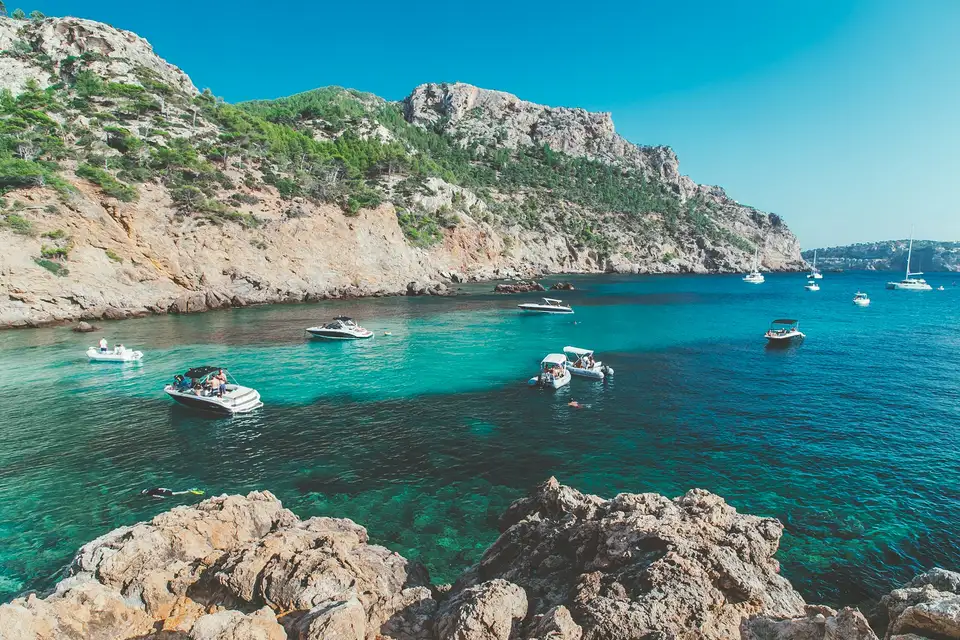
On a mild evening along the El Molinar promenade, where the sound of the sea blends with the clinking of glasses and the occasional honk of a boat, a reported incident occurred that still resonates in the neighborhood. A 25-year-old German visitor celebrating her birthday told the National Police that a waiter initially addressed her during service with Spanish pet names like "guapa" and "mamasita." She felt uncomfortable, moved to a table outside – and later reports that the man repeatedly got physically close inappropriately: he is said to have touched her face, attempted to put his thumb in her mouth, and slipped up behind her neckline, during which, she alleges, he grabbed her breast. The woman left the establishment but returned to inform the manager and ultimately filed a complaint with UFAM, the unit for family and women's protection.
The investigation gained gravity when further accusations surfaced: a colleague of the accused, who reportedly worked in an establishment at the Fan Mallorca Shopping center, told authorities that the same man had sexually harassed her in the kitchen. She describes how the man stood behind her and pressed his groin against her buttocks. She also says he pressured her to send nude photos. The woman stated she had not reported incidents for a long time because the alleged perpetrator was in a relationship with the manager – a hint at power dynamics that can silence employees. The 35-year-old employee was meanwhile detained by the National Police, later presented to the court, and subsequently released after legal representation. Similar complaints have arisen elsewhere in the city, notably in Sexual assault at the Intermodal: What the incident reveals about safety and accessibility in Palma.
Critical analysis: The case reads not merely as an isolated instance of improper behavior. It reveals a pattern encouraged in parts of the hospitality sector: close working relationships, informal hierarchies, language and dependency barriers among migrant staff, and a culture in which flirting and boundary violations too quickly blur together. Authorities do what they must: take reports, investigate, arrest, and present suspects to the court, as seen in other Palma coverage such as After assault in Palma: Fine instead of prison — What remains for care home residents and staff?. Yet the broader picture is often missing: How do owners respond, how are employees protected, which internal reporting channels exist, and how is pressure from supervisors prevented?
What is missing from the public debate are discussions about systematic prevention instead of just singular incidents. We talk about arrests and court dates, about perpetrators and victims, but rarely about company policies, mandatory training, anonymous hotlines for employees, or the role of business oversight. Also little noticed is immediate psychological support for victims, which is possible through UFAM but in practice is often organized only slowly.
An everyday scene from Mallorca: imagine a late summer night on the Paseo. Families with strollers, retirees on benches, service staff rushing from table to table – many speak several languages, many work under time pressure. In this heat, there are fleeting glances, jostles, and sometimes boundary crossings. It is precisely within this busy rhythm that a protection mechanism must kick in before complaints are filed.
Concrete solutions: First: mandatory anti-harassment training for all hospitality staff, offered by the municipality or industry associations, with language versions for migrant workers. Second: binding, anonymously usable reporting channels within businesses and via a municipal hotline, accompanied by legal and psychological counseling. Third: regular checks by labor inspection and clear contractual clauses that sanction assaults – regardless of personal relationships. Fourth: visible notices in venues ("Zero Tolerance") to signal safety to guests and staff. Finally: raising customer awareness and de-escalation training for personnel.
Pointed conclusion: Reports and arrests are important, but they are reactive. Mallorca additionally needs a system that works preventively: clear rules in businesses, easily usable reporting paths, and a culture in which employees can speak without fear of reprisals. Otherwise, after every sound of clinking glass, only the baffled silence of those who could have intervened will remain.
Frequently asked questions
What should I do if I experience harassment in Mallorca's hospitality venues?
When is the best time to visit Mallorca for outdoor activities and what should I pack?
What prevention measures are being discussed to stop harassment in Mallorca’s hospitality sector?
Where can someone report harassment or seek help in Mallorca?
What signs or practices should I look for in Mallorca venues to ensure a safer environment?
What should I know about walking the El Molinar promenade at night?
What does the El Molinar incident reveal about Mallorca's hospitality workplace culture?
What support exists for harassment victims in Mallorca and how can they access it?
Similar News
Two Emergency Landings Minutes Apart at Palma Airport — A Reality Check
At Son Sant Joan Airport, air traffic controllers and emergency crews had to respond twice on an October morning: a jet ...

When they defended two women — and ended up blood-soaked in hospital
On Palma's nightlife promenade an intervention against sexist harassment escalated: two young men were seriously injured...
Thief takes salon security — and even steals the camera
In Palma a man stole the tip jar and the surveillance camera from a massage salon. A neighbor filmed the act and handed ...
From Workshop to Luxury Villa: What a €19.5 Million House Reveals About Palma's Market
A historic town house on Carrer de la Pelleteria was converted into a 1,000-sq m residence and is on the market for €19....

FC Germania Mallorca: Why does the lead always slip away in stoppage time?
After the 1-2 at C.A. Pal ne da Tesa questions arise: are these coincidences, a shortage of personnel, or a deeper probl...
More to explore
Discover more interesting content

Can Cap de Bou

Townhouse Lleo 72
