
Partial Collapse at the Baluard de Sant Pere in Palma – What Now?
Partial Collapse at the Baluard de Sant Pere in Palma – What Now?
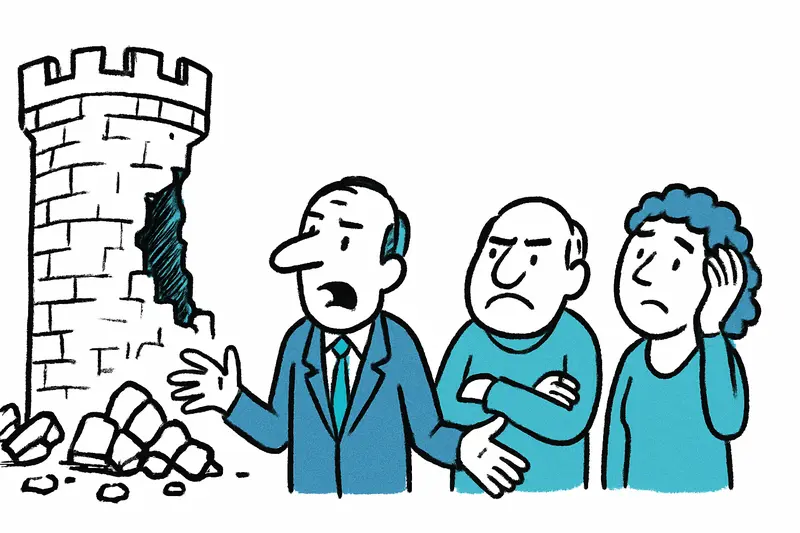
A medieval tower at the exit of the Es Baluard museum has partially collapsed. The monument protection association Arca is calling for immediate measures — but who bears responsibility?
Partial Collapse at the Baluard de Sant Pere in Palma – What Now?
Key question: Why did a section of the medieval tower at the Baluard de Sant Pere collapse even though restoration work had been promised, as detailed in Collapse at Palma's City Wall: What Needs to Happen Now, and who must act quickly to prevent further masonry from falling?
An open breach now gapes in the old city wall at the exit of the Es Baluard museum. The monument protection association Arca describes the incident as severe damage and accuses the island council and the city of Palma of failing to carry out promised restorations, as reported in Derrumbe en la muralla de Palma: qué debe suceder ahora. That is the core of the report — the rest are unanswered questions and a visible risk to passers-by and the substance of the historic urban landscape.
Critical analysis: A collapse at such a prominent location is not only an aesthetic loss but also a warning signal. Old stone walls are vulnerable to penetrating moisture, root pressure, vibrations from traffic and simple decay when regular maintenance is neglected. That a local protection organization is publicly referring to promised measures suggests there have already been lengthy discussions about priorities and timelines. It remains unclear whether technical assessments exist, which short-term safety measures have been decided, and how coordination between the responsible administrations is proceeding.
What is missing from the public discourse: transparent information. What findings did earlier inspections produce? Is there a risk assessment protocol for tourist routes around Es Baluard? Who is responsible for financing — the island government or the city administration? And finally: is there a clear timetable for a permanent stabilization or only vague promises? Without these answers, residents, museum visitors and pedestrians remain in the dark.
Everyday scene in Mallorca: On a cool morning people stop in front of the museum exit, look at the barrier, hear seagulls and the distant clatter of a city bus. A baker opposite is sliding bread into the oven, a visitor pulls her coat tighter — everyone notices the break in the wall without knowing whether the place will be equally safe tomorrow.
Concrete approaches: First, immediate hazard control: expand cordons and mark clear walkways so nobody is endangered. Second, provisional stabilization by experienced stonemasons and construction specialists — if necessary with temporary supports and protective nets. Third, a publicly accessible inspection report within days: which wall sections are acutely at risk, which materials were originally used, how old are the last restorations? Fourth: a binding schedule for the restoration including financing details. If the island council and city really made promises, these must now be documented and implemented. Fifth: involvement of civil society — local preservationists often know details missing from administrative files; their expertise should be included, not just criticized.
Practical steps for the coming weeks: make emergency funds available, accelerate the tender for an urgent repair, commission independent experts and set up a small publicly viewable working group that reports progress weekly. For visitors: clear signage and alternative routes so that cultural enjoyment and safety are not at odds.
Sharp conclusion: A piece of city history is not only a symbol — it is a building and a responsibility. The visible collapse is a concrete danger but also an opportunity: authorities could now show how to act quickly, transparently and in a coordinated way. If, instead, silence and postponement continue, the chance increases that the next section will not only be damaged but irretrievably lost.
Frequently asked questions
Why did part of the city wall near Es Baluard in Palma collapse?
Is it safe to walk near the Baluard de Sant Pere in Palma right now?
Who is responsible for repairing the collapsed wall in Palma?
What should Mallorca authorities do after a partial collapse of a historic wall?
Does the collapse at Baluard de Sant Pere affect visitors to Es Baluard in Palma?
Why are old city walls in Mallorca so vulnerable to damage?
What information is still missing about the Palma wall collapse?
Will the Baluard de Sant Pere wall in Palma be restored soon?
Similar News
Failed before the first flight: How Fischer Air's plans for Palma were ground down
Announced routes, repeated postponements and now apparent insolvency: Why the Fischer Air project for Mallorca is not me...
Seconds in the Water: 19-year-old Fights Her Way Out of Flooded Car in Palma
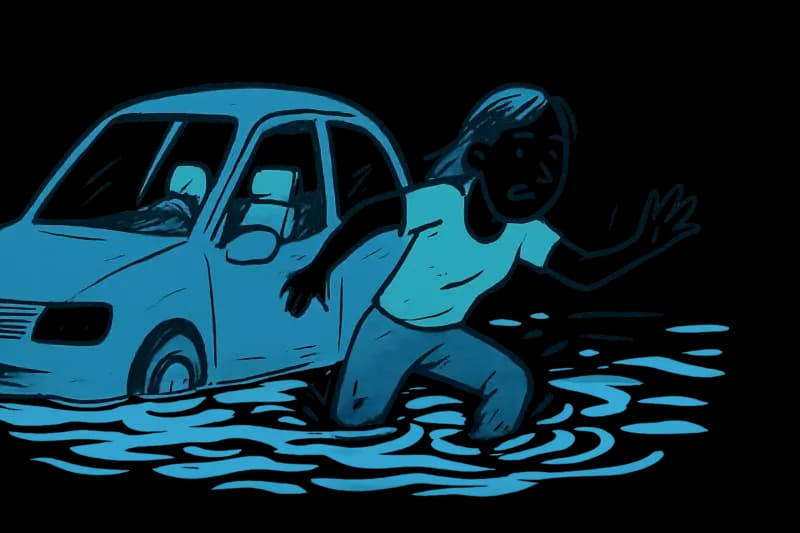
A 19-year-old managed to rescue herself from her half-submerged car after sliding under the Verge de Lluc underpass. Res...
Between Dream and Reality: Thorsten Legat and the Challenges of FC Germania Mallorca
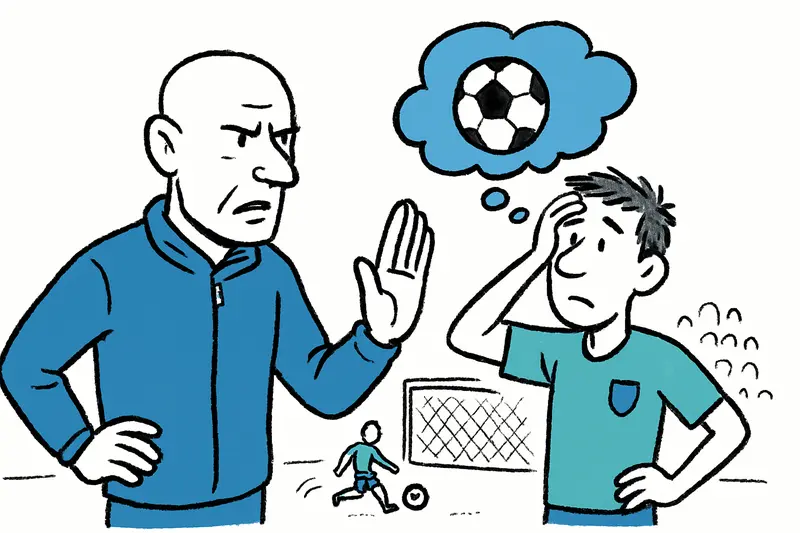
The former Bundesliga pro has assembled a colorful squad in a short time. But how realistic is the grand plan for promot...

Arrest warrant at check-in: Why two travelers at Cologne/Bonn Airport suddenly had to pay
At Cologne/Bonn Airport, federal police in mid-September found two German passengers subject to enforcement measures. Bo...
Balearic Islands as a New Route: A Reality Check on Rising Boat Migration
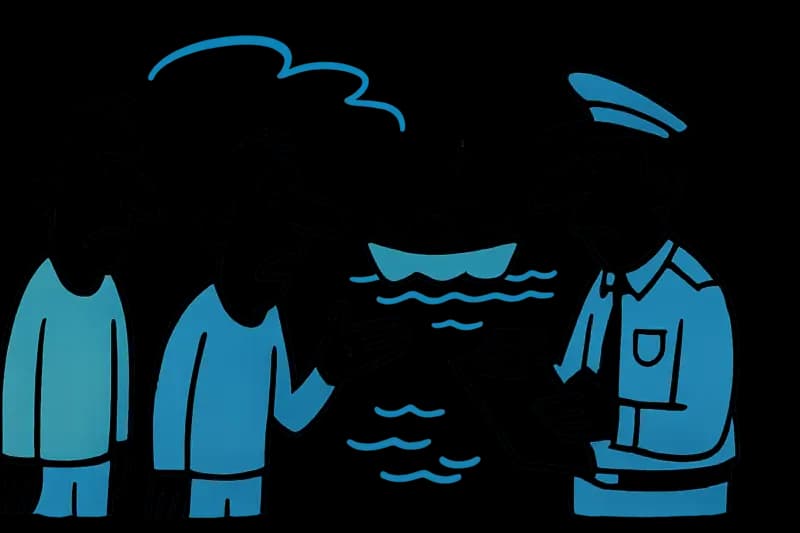
For the first time the Balearic Islands are ahead of the Canary Islands in boat arrivals. What do the numbers really say...
More to explore
Discover more interesting content

Can Cap de Bou

Townhouse Lleo 72
