
Why Tourism Profits Don't Reach People – A Reality Check from Mallorca
Why Tourism Profits Don't Reach People – A Reality Check from Mallorca
Experts in Mallorca present a policy paper: profits grow, wages do not. Who truly benefits — and which steps would bring real change? A critical look with an everyday scene and concrete proposals.
Why Tourism Profits Don't Reach People – A Reality Check from Mallorca
Key question
Key question: Why are profits in the tourism sector rising while wages and the quality of life for many workers in Mallorca have stagnated for years?
Critical analysis
Expert groups on the island this week published a paper that documents exactly this imbalance. The core message is straightforward and sharp: productivity and revenues have grown, but wages have not kept pace. This creates a gap between visible prosperity — new hotels, refreshed promenades, rising profits — and the everyday lives of many people working in hotels, restaurants or construction who often have nothing more than seasonal contracts and tight rental budgets, as explored in Vacation Rentals Are King — But at What Cost for Mallorca?.
The published document goes beyond mere criticism of tourism: it calls for interventions across many areas of the economy, from tax issues to land management. Proposed measures include reducing the number of tourist beds, tax adjustments for offers declared as sustainable, and creating public land banks. Also on the list: measures against excessive land purchases by non-residents, legally designating the Balearics as a "strained area" to limit rents, and banning construction on agricultural land to slow housing displacement, a set of concerns addressed in Reality Check: Why Mallorca Can Hardly Escape Massification.
What is missing from public discourse
The debate often revolves around numbers of arrivals, bed capacity and hotel occupancy. Much less visible are concrete data on ownership structures, seasonal employment contracts, tax incentives for large investors, or enforcement and sanctions for abuses. Also missing is a clear accounting of how much money from tourism actually flows into the local public budget and how much ends up in international corporate headquarters or opaque ownership structures. Without these figures the discussion remains abstract and the proposed measures hard to evaluate, as illustrated by Hotels Full, Streets Empty: Mallorca's Strange Summer Stroll.
Everyday scene from Palma
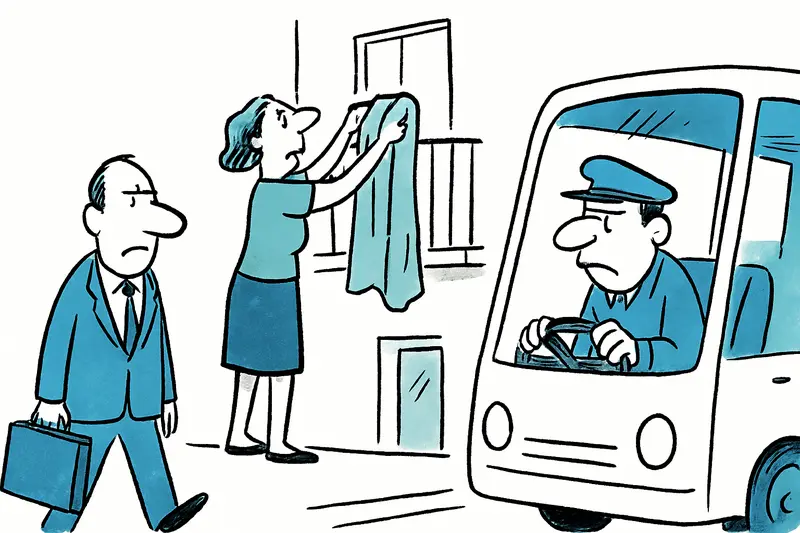
Early in the morning near Mercat de l'Olivar: delivery vans are parked, a baker lights the oven, a cleaner hangs damp towels to dry on the railing of an apartment block whose landlord charges substantially more in season. The bus driver who runs the line to the hotel district every morning says many colleagues need two jobs to make it through the month. This precarious employment is discussed in More Jobs from Tourism — but at What Cost? How the Labor Market on the Balearic Islands Is Changing. These small, recurring scenes show that the island's economic earning power is not automatically distributed evenly.
Concrete solutions
The expert group names numerous measures; some can be implemented politically and administratively immediately, others will take time. Important, practical steps would include: stronger labor inspections with clear sanctions against wage theft and precarious contracts; binding participation models in which municipalities receive shares in large tourism projects; a progressive tax on very large tourism revenues to fund social housing policy; municipal land banks that secure land for social housing; binding limits on property purchases by outside investors in particularly affected communities; and expanded vocational training and continuing education for sector employees so wage development is tied to qualifications.
Equally important is transparency: regular, publicly accessible reports on ownership structures, profit flows and tax revenues would provide the basis for fact-based policy. Without data any measure remains a political gesture rather than a plan.
Political and social hurdles
Many of the proposed steps encounter conflicts of interest: lobbying pressure from investors, European property freedoms, and the limited budgets of municipalities. There is also the everyday reality: families who rely on short-term rentals are likely to oppose strict restrictions. The challenge is to design measures that target large profits while not penalizing small private landlords with modest incomes.
Conclusion
The debate is overdue and the presented paper highlights many correct fault lines. But criticism alone is not enough. Those who want change must do three things: bring the numbers onto the table, build political majorities for targeted measures, and explain in towns and villages how interventions will secure incomes, reduce rents and stabilize quality of life in the long term. If people take to the streets on a Sunday like July 26, they should know exactly what they are standing up for — and politics should respond with concrete steps, not just lip service.
This reality check is not a call to confrontation. It is a reminder: profits without participation are not a basis for a sustainable model. If Mallorca manages its economy wisely, the island can come closer again to the people who keep it running.
Frequently asked questions
When is the best time to visit Mallorca for warm weather and outdoor activities?
What should I pack for a Mallorca trip to stay comfortable in the sun?
Is it safe to swim in Mallorca’s all beaches, and what should I know about sea conditions?
How do I get around Mallorca, and what should I know about driving there?
What are must-see spots in Palma de Mallorca if you only have a day?
Is the Serra de Tramuntana good for hiking, and where should a first-timer start?
What makes a day trip from Alcúdia to Port de Pollensa worth it?
Are Cala Millor and nearby beaches good for families with kids?
Similar News
So Many Tonnes: What Mallorca's Garbage Boats Accomplish — and What's Missing
23 boats patrol in summer, and 36.8 tonnes were recently pulled from the water. The fleet is shrinking — is that still e...
No Identification Documents on the Steep Slope: Body near Tolleric Raises Questions
The body of an elderly man was found over the weekend in a wooded area near the cliffs of Tolleric. He had no identifica...

Arrest at the Port: Three Suspected Pickpockets Left Mallorca After Series of Thefts
The National Police stopped three men at Palma harbour who are accused of several thefts at the airport. How could the g...

Palma's Rental Bike Boom: More Bikes, More People, More City Life
Since Bicipalma was opened to non-residents, the system has noticeably grown. Students, residents and tourists bring lif...

Palma–Lyon in Winter: Two Weekly Flights Bring Fresh Momentum
From October Transavia France will connect Palma and Lyon in winter as well: Wednesdays and Saturdays, around 17,000 sea...
More to explore
Discover more interesting content

Boat Tour with BBQ along Es Trenc Beach

Private transfer from Mallorca Airport (PMI) to Pollensa
