
Sudden Toxic Gas in a Hotel Pool: Who Is Liable, Who Protects?
Sudden Toxic Gas in a Hotel Pool: Who Is Liable, Who Protects?
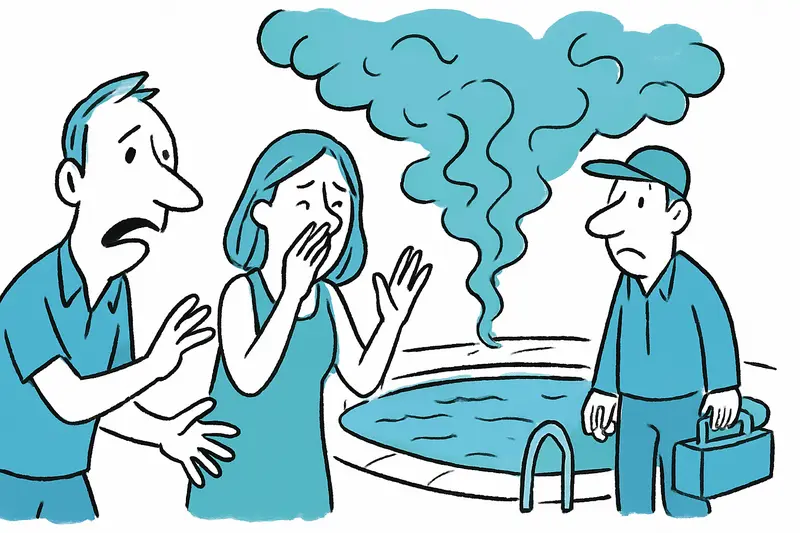
Around 60 holidaymakers experienced symptoms after an incident in a hotel pool in southern Spain. Authorities suspect a dosing pump defect. A critical assessment: who inspects the equipment, and how adequate are emergency plans?
Sudden Toxic Gas in a Hotel Pool: Who Is Liable, Who Protects?
A hotel pool became a source of danger: around 60 guests, including children and older people, required medical attention after an incident. Initial findings suggest a defect in a dosing pump that introduces chlorine and acid into the circulation may have released irritating gases. The pool was closed and all affected persons have since been discharged. The core question remains: how can something like this happen in an industry that relies on guest trust, as other incidents such as Spa incident in Magaluf: Who protects guests in hotel wellness areas? have shown?
Key question
Who bears responsibility for technical safety in hotel pools — the hotel, the facility operator, the equipment manufacturer, or the supervisory authority?
Critical analysis
The technical complexity of modern water treatment is often underestimated. Dosing pumps, pH and chlorine sensors, and ventilation systems must work together. If a component fails or a miscalibration occurs, dangerous reactions can result. In many hotels, rotating maintenance teams service equipment based on intuition and schedules; formal inspection protocols are lacking. Language barriers among seasonal staff and pressure to reopen pools quickly add to the risk — especially on hot July days when sunbeds across the island are in high demand.
Regulatory bodies call for regular checks, but in practice regulations and enforcement often diverge. Detailed inspection reports are rarely public, and intervals for qualified external inspections vary; high-profile evacuations reported elsewhere, such as Fire in hotel at Playa de Palmanova: Evacuation, no injuries — and unanswered questions, illustrate the reputational stakes. Systemic weaknesses therefore remain invisible until an accident happens.
What is missing from public debate
The debate often focuses on numbers of victims and dramatic accounts — too rarely on technical causes, lines of responsibility, and preventive measures. Important questions that hardly come up: How often are dosing pumps calibrated? Who maintains the service logs, and are they accessible at any time? Is there mandatory certification for people who handle pool chemicals? And how well are emergency plans tailored to multilingual guests? Local reports such as Careless Moment in Llucmajor: Family Rescues Two-Year-Old from Pool – Medical Teams Fight for His Life underline how many safety questions remain open.
An everyday scene from here
Early morning at Platja de Palma: delivery vans hum by, a technician carries his toolbox up the hotel corridor, the cleaning crew sets up parasols. No one thinks about the pipes under the pool cover. It is precisely this routine that makes it dangerous: where everyday life prevails, risks are easy to overlook; incidents requiring immediate medical response, such as Collapse on the Boulevard: Resuscitation in Peguera – Are Our Tourist Resorts Well Prepared?, underline the need for preparedness.
Concrete solutions
Technology: mandatory redundant sensors and automatic shut-off systems that stop dosing when readings are abnormal. Required ventilation in technical rooms so that any gases generated do not enter the bathing area.
Maintenance and inspection: legally required semi-annual external inspections of treatment systems by certified companies; digital maintenance logs that authorities can review on request. Manufacturers must provide clear, understandable operating instructions in multiple languages.
Staff and training: certification courses for maintenance technicians and shift supervisors, including handling chemicals and first aid measures. Staffing plans should take language skills into account so that alarms and safety instructions are understood.
Transparency and communication: hotels should post visible notices at pools — which agents are used, when the system was last inspected, and how guests should act if they suspect a problem. Local authorities could maintain a public register of inspected systems.
Informing guests: if a sharp smell or eye and respiratory irritation occurs, immediately call the lifeguard and do not wait. If in doubt, go outside and seek medical help; emergencies should be documented to facilitate later investigations.
What the island can do
Majorca and neighboring areas live off tourism. An incident like this damages the reputation of everyone. A coordinated initiative by the island administration could make minimum standards for pool technology and maintenance binding, coupled with training for staff in tourist regions. Visible certificates at hotels would strengthen trust — and could save lives in an emergency.
Concise conclusion
Yesterday's incident is not an isolated technical mishap but a warning signal. It's not only about repairs, but about organization, transparency, and everyday management in hotels. Anyone strolling past pools on Mallorca's promenades in the morning sun should feel safe — that must not be a luxury.
Frequently asked questions
Who is responsible for hotel pool safety in Mallorca?
What maintenance practices help prevent dangerous gas releases in hotel pools?
What should guests do if they notice a chemical smell at a Mallorca hotel pool?
What kind of inspections are recommended for hotel pool systems in Mallorca?
How can hotels in Mallorca improve transparency and guest safety around pools?
Are multilingual safety considerations important for pool staff in tourist areas like Platja de Palma?
What role do regulators play in pool chemical safety on Mallorca?
What steps could Mallorca authorities take to raise pool safety standards?
Similar News

Rental Car Theft in El Arenal: What This Incident Reveals About Our Gaps
A teenager steals a running rental car in El Arenal, flees on foot, climbs over walls and is caught by the Guardia Civil...
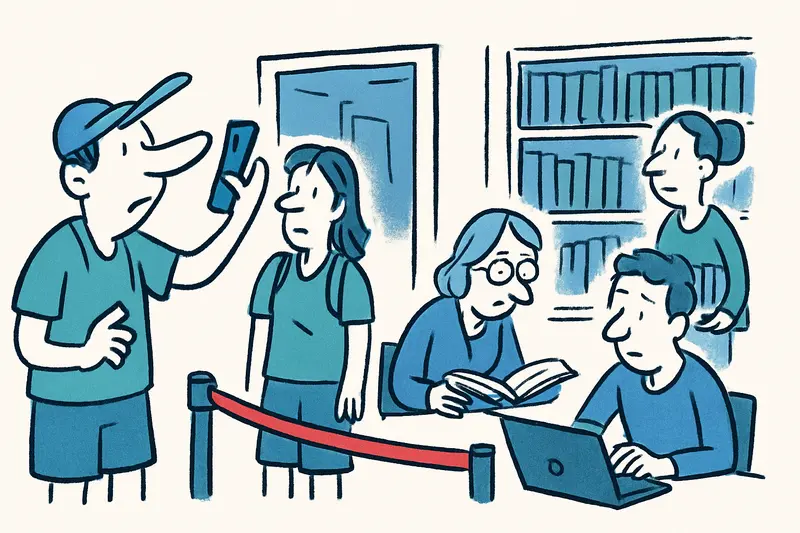
Red Rope in Palma's Library: What Helps Against Selfie Tourism — and What's Missing
Palma's city library cordoned off an area with a red rope to keep selfie tourism away from reading and working activitie...
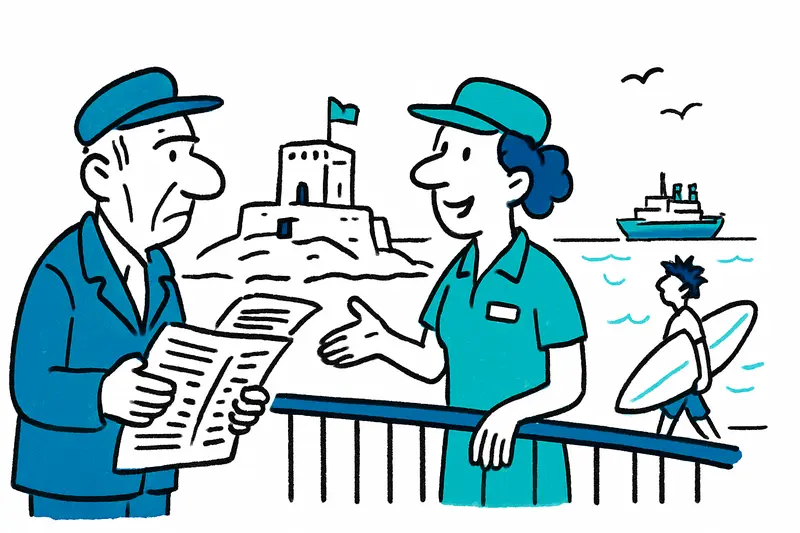
Fort San Carlos: Museum, Harbor Dispute — and a Conflict That Demands Answers
The military museum at Fort San Carlos sits right on Palma's harbor, with unexpectedly quiet rooms filled with cannons a...
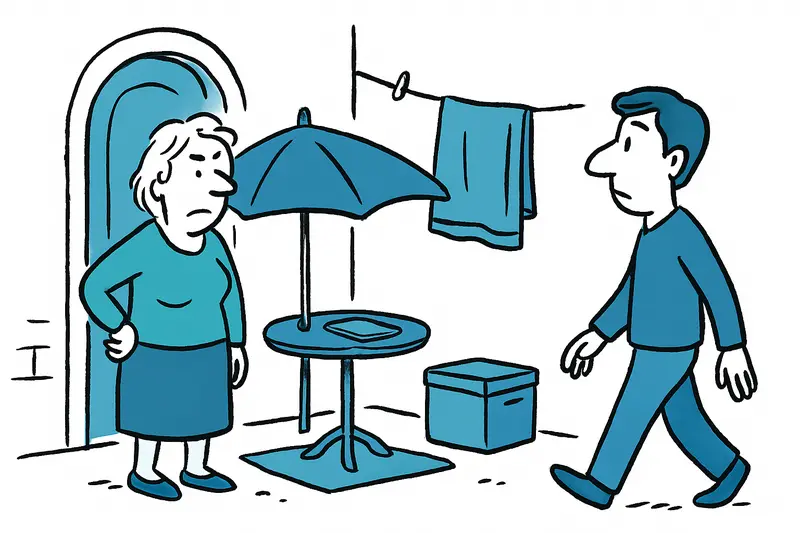
Old Town Under Pressure: When a Doorway Becomes a Sleeping and Shower Place
For months a woman has been living with a parasol, a clothes rack and personal belongings next to the social welfare off...
When Shopping Weighs Heavier: Mallorca Demands a Tax Pause on Food and Fuel
Rising prices are putting pressure on households and agriculture. The Balearic Islands are calling for temporary tax rel...
More to explore
Discover more interesting content

Can Cap de Bou

Townhouse Lleo 72
