
Traffic sign on the seabed: symptom of a larger cleanliness gap off Mallorca
Traffic sign on the seabed: symptom of a larger cleanliness gap off Mallorca
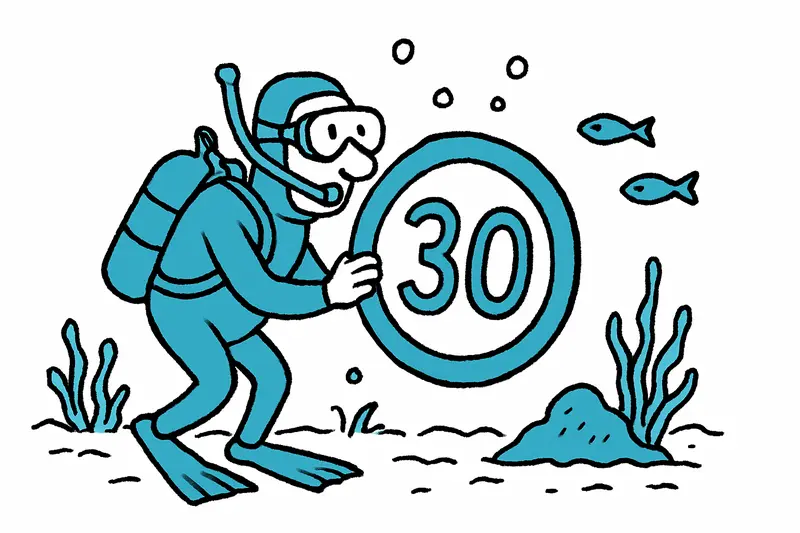
A diver lifts a 30-km/h traffic sign from the water at Cala Fornells. Why do such objects end up on the seabed — and who cleans them up?
Traffic sign on the seabed: symptom of a larger cleanliness gap off Mallorca
A find between Caló de ses Llises and Cala Fornells raises questions about responsibility and prevention
Off the coast between Caló de ses Llises and Cala Fornells, an unusual find drew attention: a 30-km/h traffic sign was recovered from the seabed and brought ashore. The diver who found and lifted the sign wanted more than a curious photo — for him it is an indication of a problem many here know well: the littering of our coves.
Key question: How does a traffic sign end up in the sea, and what does this single case say about practices for dealing with waste and discarded objects off our coasts?
A single find does not provide a clear answer. Possible causes include storms that tear signs from cliffs or roads, improper disposal of construction or road materials near the coast, losses during transport, or simply deliberate throwing of land property from the shore or from boats. In any case, the incident shows that heavy, unexpected objects can enter the water body — not just plastic bags or drink bottles.
Less critical than the individual sign is the systemic question: where are checks carried out, who is responsible for removal, and are there coordinated reporting and recovery channels? To this day many rely on volunteer diving groups and committed individuals, as documented in Who cleans up the sea? Almost eight tons of waste off the Balearic Islands. That is commendable, but not a permanent solution for structural problems.
Three points are often shortchanged in the public discussion: first, gaps in harbor and coastal controls — small marinas rarely have resources for regular seabed checks. Second, questions of jurisdiction between municipalities: the find lies exactly on a municipal border, which can blur responsibilities. Third, binding protocols for lifting heavy objects are missing, so environmental damage can be made worse (for example by stirred-up seabed or uncontrolled removals).
An everyday observation from Port d'Andratx: in the mornings, when the fishing boats return, you often see tarps, nets and packaging lying on the quay. Conversations with boaters show that some things "just disappear" — a sign of shortcomings in storage and transport, not always malicious intent, as described in What Lies Beneath Mallorca's Coast: Trash Slipping Out of Sight. And on the beach at Cala Fornells you hear people searching the water while gulls cry and the waves lap against the rocks — small scenes that reveal how normal waste has become in our view.
Concrete solutions should be pragmatic and implemented locally:
- Short term: Agree an emergency protocol between the municipalities of Andratx and Calvià, the local ports and the diving clubs. More difficult recoveries should be carried out by specialist companies or port cranes, accompanied by environmental experts.
- Medium term: Regular inventories of vulnerable coves and a public reporting portal that collects reports from citizens and professional divers. A site map with prioritized find spots would make operations more efficient.
- Prevention: Better securing of road and construction equipment along coastlines, mandatory checks for coastal transports and information campaigns in marinas — those who do not store tools securely on land risk costly recoveries later.
- Responsibility and financing: Clear agreements between municipalities, port authorities and the Guardia Civil/SEPRONA for environmental offenses; a fund to which local businesses and tourism taxes contribute could finance recoveries and prevention measures, as discussed in Almost 37 Tons of Waste: What Mallorca's Cleanup Fleet Really Tells Us.
Such measures would not solve the problem overnight, but they would take the burden off individual rescuers and make responsibilities visible. The recovery of the traffic sign is a visible sign: the sea surface can sometimes deceive us about how much of our everyday life ends up in the water.
Conclusion: The sign off Cala Fornells is not a curious isolated case, but a wake-up call. If we want coves to remain clean and divers not to face surprises time and again, we need clear rules, coordinated operations and a bit more care in handling materials on the coast. Otherwise the small scene on the shore — gulls, fishers, a diver coming ashore with a sign — will soon become routine: more finds, more work for volunteers.
Frequently asked questions
How could a traffic sign end up on the seabed off Mallorca?
What are the main cleanliness gaps revealed by this case in Mallorca?
Who is responsible for recovering heavy objects found at sea near Mallorca?
What practical steps can Mallorca's authorities take to prevent such debris?
How can residents and visitors help keep Mallorca’s coves clean?
What is the role of marinas in preventing coastal waste in Mallorca?
How do jurisdiction issues affect cleanup efforts near Mallorca?
Why is this seabed find a wake-up call for Mallorca’s coves?
Similar News

When Palma Becomes a Zombie Zone: 'Mallorca Z', AI and the Thought Experiment with Side Effects
A Mallorcan lawyer built a strategy game over a weekend using AI that treats the island as the scene of a zombie crisis....

Learning to Wait: How Leisure Is Making Space Again on Mallorca
Waiting doesn't have to be lost time. A mild October day in Palma shows how small pauses slow down our lives — and what ...
Cala en Brut: Body in the Sea — a Fatal Autumn Day and What’s Missing
In Cala en Brut (Ciutadella) a man's body was recovered during storm Dana "Adam". Why do autumn storms in the Balearics ...
When the road is gone: Port de Valldemossa cut off after storm 'Adam'
After heavy rains a retaining wall gave way and two sections of mountain road MA-1131 became impassable. Why are rural p...

Crypto Promises, Ferry, Arrest: How Investors in Mallorca and the Neighboring Islands Fall into the Trap
A Swiss man wanted under a German arrest warrant was captured in Ciutadella. The case raises questions about cross-borde...
More to explore
Discover more interesting content

Can Cap de Bou

Townhouse Lleo 72
