

Tighter Rules for the Tramuntana: Between Protection, Penalties and Everyday Island Life
Tighter Rules for the Tramuntana: Between Protection, Penalties and Everyday Island Life
The Consell de Mallorca wants to better protect the Serra de Tramuntana: higher fines, bans on quad bikes on tracks and possible cost-sharing for risky mountain rescues. A reality check for locals and visitors.
Tighter Rules for the Tramuntana: Between Protection, Penalties and Everyday Island Life
Can a law effectively protect the Serra de Tramuntana from arson, reckless recreational driving and damage to cultural assets? The guiding question is simple, the answers complicated — for residents, mountain rescuers and the people who work here.
In short, what's in it
The island council has presented a draft law that envisages tougher protection for the Tramuntana. In particularly serious cases — such as arson or destruction of cultural property — significantly higher sanctions should be possible; fines in the six-figure range up to one million euros are being discussed. It is also planned to be able to ban quad rides on unpaved tracks. And those who act with gross negligence in the mountains may in future possibly be required to contribute to the costs of rescue and recovery.
Critical analysis
The goals sound plausible: fewer fires, less damage to dry stone walls and historic terraces, a calmer landscape. But laws alone are not a miracle cure. A one million euro fine is theoretically deterrent; in practice, success depends on detection, prosecution and conviction. Those who set fires or damage cultural property often act anonymously or under cover of darkness — that only helps with stricter monitoring and better cooperation between municipalities, forestry services and police, as seen in strict water restrictions in seven Mallorca municipalities.
The quad ban addresses a very visible part of the conflict: loud engines in the stone maze of the Tramuntana, dust whipped up on old paths, endangered hikers. Still, it remains unclear how the ban would be implemented and enforced technically. Many paths are already difficult for patrol cars to access; controls require personnel, vehicles and clear priorities, as local moves such as Capdepera's ban on recreational vehicles on unpaved roads show.
What is missing from the public debate
There is a lack of an honest calculation of costs and feasibility. When will checks take place? Who will monitor the most sensitive areas like Sa Calobra, the gorges near Deià or the steep trails around Puig Major? And: what role do tourism providers, organizers and private landowners play? Without binding, fundable measures, a tougher law remains largely symbolic politics — and how will authorities handle events such as road closures for the Mallorca by UTMB weekend 2025?
Everyday scene from island life
Early morning in Valldemossa: old olive trees, goats, a baker with flour on his fingers. Tourists set off in hiking boots, a delivery van brings vegetables, a quad rattles along the country road leaving a cloud of dust. Such moments shape the Tramuntana today — and show why rules must not only exist on paper but be tangible in the mud of the tracks and the roar of engines.
Concrete proposals that could strengthen the draft
- Prioritized controls: mobile teams during the summer months, including at night, targeted at hotspots such as access roads to remote fincas.- Precise mapping: official lists of permitted and prohibited paths, available online and shown on signs on site.- Permit requirement and quotas: permitted motorized uses only with registration and clear conditions; tourist off-road excursions consistently excluded.- Prevention work: local awareness campaigns in communities and among landlords, plus mandatory information for guests.- Rescue cost regulation: instead of flat fees, a graduated system; mandatory insurance for certain leisure activities could help avoid pushing private individuals into existential worries.- Community rangers: trained local personnel who act as a link between residents, authorities and visitors.
A pointed conclusion
The draft is a necessary signal: the Tramuntana is fragile, culturally valuable and a UNESCO World Heritage site since 2011. But harsh penalties alone will not save terrace walls or extinguish fires. What matters is the combination of clear rules, reliable enforcement, financial resources for implementation and the involvement of the people who live here. Otherwise much will remain paper and little protection — while tractors, quads and sometimes the reckless continue to rumble along the old paths.
Frequently asked questions
What are the new protection rules for the Serra de Tramuntana in Mallorca likely to change?
Could you really be fined for causing damage in the Tramuntana Mallorca?
Can quad bikes be banned on unpaved roads in Mallorca?
Do hikers in Mallorca have to worry about rescue costs in the mountains?
What is the best time of year to visit the Tramuntana in Mallorca if you want to avoid heavy traffic on the tracks?
Is the Serra de Tramuntana in Mallorca a UNESCO World Heritage site?
Why are Sa Calobra and Deià often mentioned in the Tramuntana debate in Mallorca?
What can Mallorca do besides passing stricter mountain laws?
Similar News

The Maricarmen Case: Why an Eviction Is Forcing Spain's Housing Debate
Images of an 87-year-old woman on a stretcher have sparked a debate in Spain that also runs deep in Mallorca. Who protec...
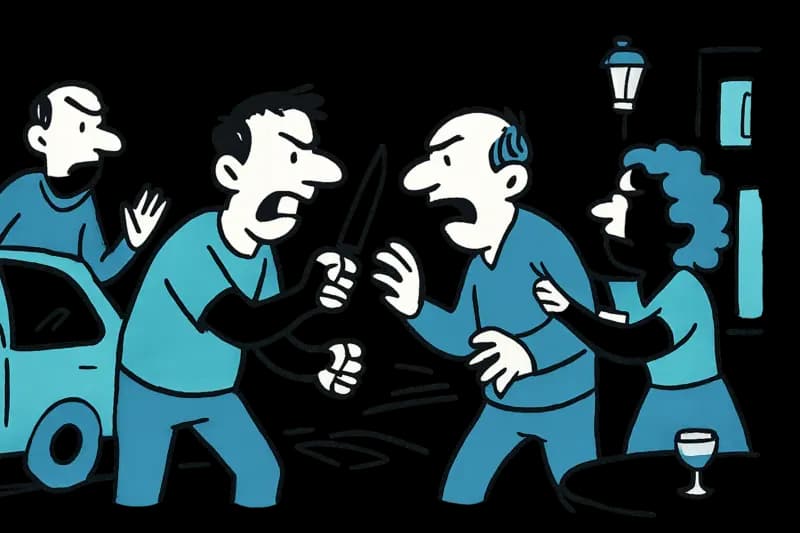
Parking dispute in Els Hostalets: When a gap leads to violence
A parking dispute on Calle Aragón escalated into a mass brawl at night. Why do trivial conflicts here turn bloody so qui...
Bodycams in Palma: More clarity needed so surveillance doesn't become the norm
Palma's local police equip UII officers with Axon Body 4 cameras. Useful for evidence collection — but specific rules on...
When the Bread Door Closes: Why Maria de la Salut Lost Its Last Bakery
The only bakery in Maria de la Salut, a sales outlet of Forn de ca'n Joan Terès from Palma, has permanently closed. What...
Ancient Piece Brought to Light: Guardia Civil Recovers Roman Anchor Fragment off North Coast of Mallorca
Divers from the Guardia Civil recovered a massive iron piece from Roman times off Mallorca's north coast. The roughly 35...
More to explore
Discover more interesting content

Can Cap de Bou

Townhouse Lleo 72
