
Permit requirement in the Tramuntana: Who will close off our paths?
Permit requirement in the Tramuntana: Who will close off our paths?
The island council wants to tie many hiking routes in the Serra de Tramuntana to the approval of private landowners. What practical problems does this create — and how could paths, property and everyday life on Mallorca be better reconciled?
Permit requirement in the Tramuntana: Who will close off our paths?
In the mountain air of the Tramuntana you can still smell stove smoke in February, coffee cups clink on the plaça in Sóller, and fishing boats cast their nets in the harbour. Right here, between possessions, disguised fences and centuries-old stone steps, a question now stands: Will hikers soon have to ask every landowner for permission before continuing on their way?
Key question
How realistic is the proposed permit requirement — and what does it mean for everyday life, safety and the use of the Tramuntana?
Critical analysis
The proposal envisages that activities on private land should only take place with the consent of the respective owners. On paper that sounds like a simple solution to conflicts over privacy and the protection of sensitive areas. In practice, however, it hits an access network that winds across dozens, sometimes hundreds, of small parcels. A hike from Tossals Verds to Cala Tuent can cross several property boundaries; under the model that would require multiple signatures. That means additional administrative burden for hikers and owners, multilingual problems for tourists and an inflation of formalities that will deter many people.
Legally the idea stands on shaky ground: Spain has no uniform law that completely shields private property from traditional rights of way. In many places access rights are based on historical customary use. A comprehensive reversal of this practice requires precise mapping and legal clarity, otherwise years of court proceedings threaten — and accurate maps are not available everywhere.
What's missing from the public debate
The ongoing debate focuses heavily on property rights and visitor management, but two points are barely mentioned: first, safety. Many hikers rely on marked routes and emergency plans; if paths are suddenly closed, search and rescue costs increase. Second, the social side: for residents in villages like Esporles or Valldemossa these paths are part of daily life — children, farmers and pensioners use them. A regulation that restricts freedom of movement in rural communities changes everyday logistics.
Everyday scene from the Tramuntana
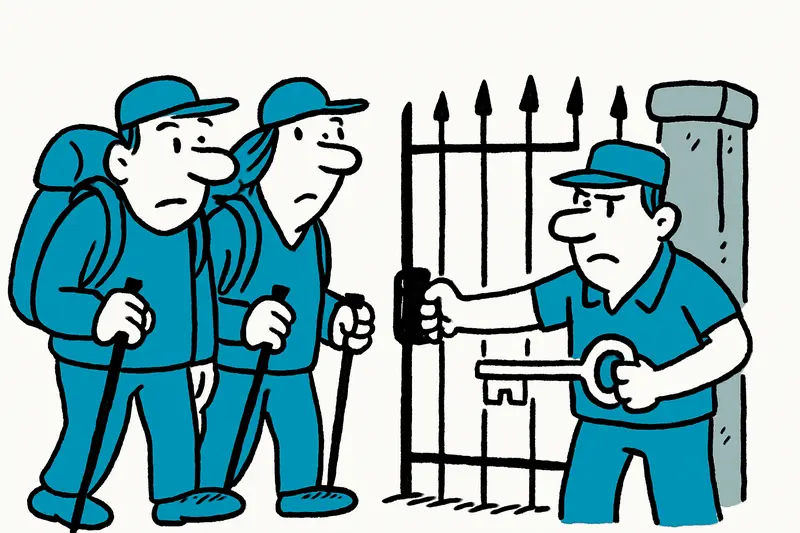
Imagine: it's early morning, the bar opposite the parish church in Bunyola opens, a farm tractor rolls by, two English hikers stand in front of a closed iron gate at a possession. The sign now shows not only the manager's phone number but a note about an online form that must be filled in. The group hesitates, turns back — and the route that has been part of village life for generations fades into a memory.
Concrete solutions
A reflexive administrative response is not the only option. Proposals that resolve conflicts in a pragmatic way could look like this:
1) Mapping binding rights of way: Together with municipalities, owners and hiking associations, the network of historically and actually used paths should be recorded and officially registered. These designations create legal certainty and reduce complaints.
2) Simple, accessible permit procedures: If restrictions are necessary, a central system must exist — with an offline alternative for people without smartphones. Fees are only fair if they are transparent and benefit nature conservation.
3) Seasonal or temporary regulation instead of permanent bans: Restrictions make most sense where breeding seasons, fire risk or restoration measures require intervention — not as a general closure.
4) Compensation and responsibility: Owners who grant access should be supported for maintenance effort or liability issues; municipalities could offer small subsidies or mobilise maintenance crews.
5) Mediation instead of sanction: Local mediation services, clearly signposted detours and joint maintenance projects reduce tensions better than threats of punishment.
Conclusion — a sharp look
The intention to protect property rights and steer visitor flows is understandable. But the proposed approach risks turning the Tramuntana into isolated islands: locked gates, paths without history and more bureaucracy. A more sensible system would combine clear maps, simple access rules, support for owners and protection measures that actually save the landscape — without tearing apart the daily lives of village residents. Otherwise it won't only be a few hikers facing an administrative hurdle, but a piece of Mallorcan everyday culture.
Frequently asked questions
Could hikers in Mallorca's Tramuntana soon need permission from landowners to use some paths?
Why is a permit system for Tramuntana paths difficult to apply in Mallorca?
Are hiking access rights in Mallorca protected by law on old mountain paths?
How would a path permit rule affect village life in the Tramuntana?
Would closing Tramuntana paths in Mallorca create safety problems?
What is a more realistic way to manage access to Mallorca's Tramuntana paths?
What should hikers bring when walking in the Mallorca Tramuntana if access rules are changing?
Why do Mallorca officials and hikers disagree about closing Tramuntana paths?
Similar News
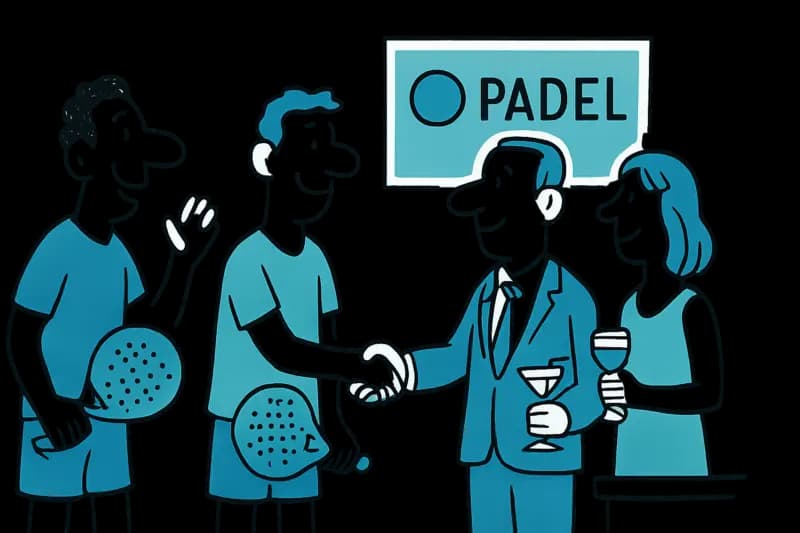
Bendinat as a meeting place: Padel Cup brings together nearly 120 players
Three days of padel at the Bendinat Urban Country Club: organized by El Económico and Borbalán, with around 120 particip...
Large-scale Anti-Tourism Graffiti at Cala Mendia: Protest or Vandalism?
On the morning walkers discovered an approximately 50-meter-long slogan against tourism on the wall above Cala Mendia. W...
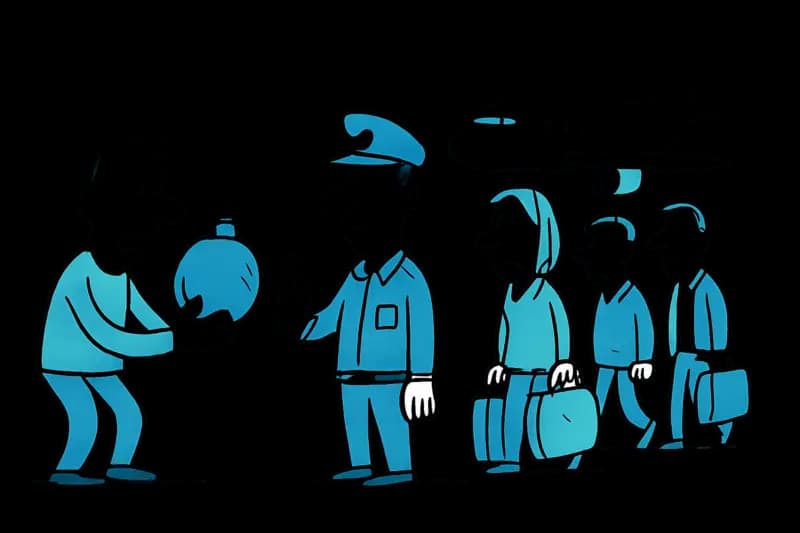
Bomb threat before Jet2 flight in Tenerife: A reality check for security protocols
A passenger reported a bomb in luggage shortly before departure in Tenerife. Evacuation, baggage checks, delays — and ma...
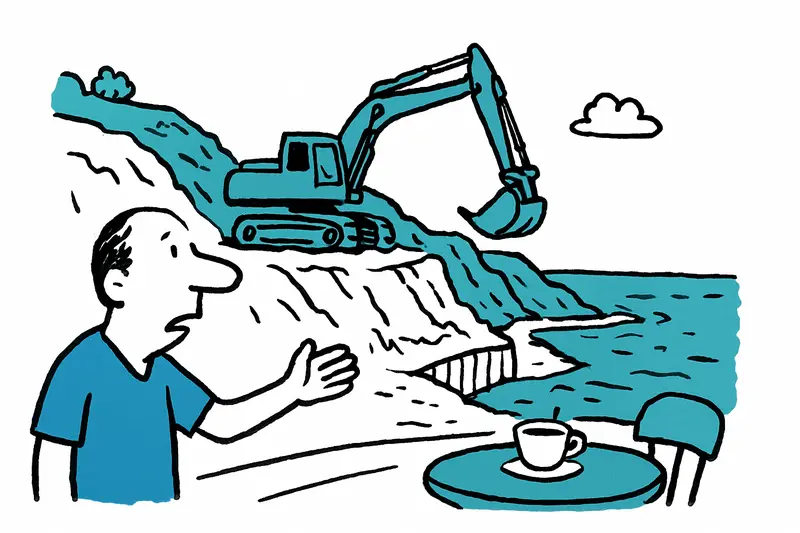
Who is stripping Mallorca's coast bare? Why entire slopes are being removed for villas
On Mallorca steep slopes are again being removed to make way for luxury construction sites. Who bears the responsibility...

Robber Falls While Fleeing in Sant Agustí: Who Takes Responsibility?
During a purse-snatching in Sant Agustí, a non-commissioned officer chased the suspect; the man jumped from a bridge and...
More to explore
Discover more interesting content

Can Cap de Bou

Townhouse Lleo 72
