
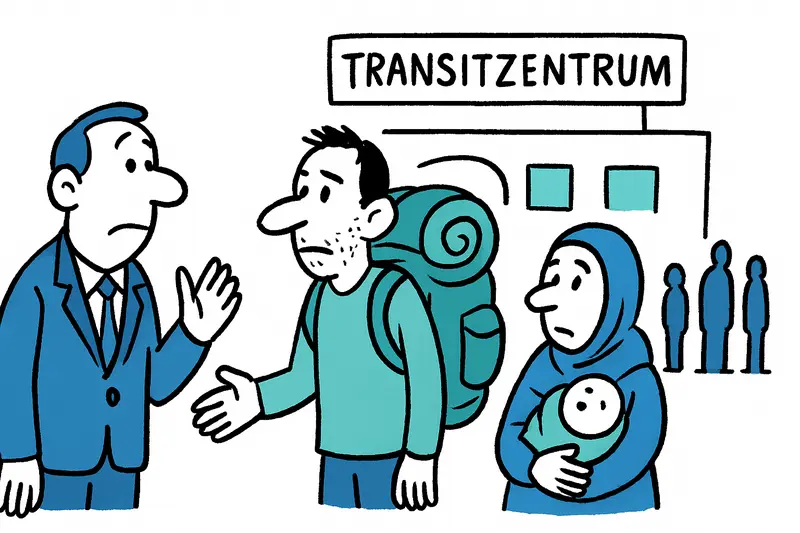
Transit center at the port: 472 refugees since December — what does the number say about Palma?
Transit center at the port: 472 refugees since December — what does the number say about Palma?
Since early December, 472 people have passed through the new transit center at Palma's ferry port. A reality check: Are 154 places and 24–48 hours of stay enough?
Transit center at the port: 472 refugees since December — what does the number say about Palma?
Key question: Are 154 places and 24–48 hours of stay sufficient to provide dignified care to arrivals?
Since early December, publicly available figures show that 472 people were temporarily accommodated in the new transit center at Palma's ferry port. The facility has 154 places, was at times occupied by around 102 people, and is intended, according to information, for stays of about 24 to 48 hours before people continue by ferry to the Spanish mainland. This sober tally is a good reason for a reality check — with a view to everyday life, organization and the gaps that are rarely seen in the debate.
Critical analysis: The raw numbers only tell how many passed through. They do not say who they were, what needs existed, how flexible procedures are in winter, or how delays affect people. A transit concept calculated for 24 to 48 hours works when crossings are on time and suitable reception points await on the mainland. If weather intervenes, ferries are cancelled or onward distribution stalls, a short stay quickly becomes a precarious situation.
What is missing in public discourse: more transparency about procedures and weak points. There is hardly any reliable information on age structure, family status or special protection needs of those accommodated. Nor is it visible how initial medical care, basic legal information or language mediation are organized. And: the question of how long capacities truly suffice in peak times is rarely asked, as discussed in how Mallorca's ports are responding to landings.
Everyday scene from Palma: In the early morning a cold wind blows over the Passeig Marítim, ferries sound their horns, trucks are being loaded. People with backpacks sit on benches near the terminal, thick jackets, worn sneakers. A port worker balances coffee cups and papers, an older woman with a shopping bag passes by. The proximity to the transport hub makes the place practical — and rough at the same time; debates over containers on the Passeig Marítim as temporary accommodations reflect that tension. Such images show: transit is not only movement, but also temporary anchor points in public space.
Concrete approaches: First: create short-term weather and traffic reserves — additional berths for emergencies or agreed backup ferry connections could prevent 48 hours becoming days. Second: mobile initial care seven days a week, with a clear structure for medical triage and psychosocial first support. Third: information packs in multiple languages and fixed contact persons on site to reduce uncertainty. Fourth: transparent data on length of stay, age groups and bottlenecks — published anonymously to enable planning and oversight. Fifth: cooperation with municipal facilities that can quickly provide additional accommodation when needed.
Local authorities, port operators and organizations do not have to reinvent everything. Much can be improved logistically: coordinated ferries, clearer role assignments, warm meals when services fail. A pragmatism oriented to everyday scenes — to the sounds of the port, the cold of the night, the patience of those waiting.
Concise conclusion: 472 people since December is a number that demands respect — but also raises questions. A transit center is not a permanent state, yet the island must be prepared if short-term arrivals become the norm. Those who carry responsibility should not just count places, but organize procedures, protection needs and communication channels so that 24 hours are not a gamble.
Frequently asked questions
How does the transit center at Palma port work for arriving migrants?
Is 24 to 48 hours enough time for people staying at Palma's port facility?
What does the figure of 472 refugees since December mean for Palma?
What kind of support should migrants receive at Palma port?
What happens if ferries from Palma are cancelled or delayed?
Where is the transit center in Palma located?
What do people in Palma need to know about temporary migrant accommodation at the port?
Why is the port area in Palma such a sensitive place for migrant arrivals?
Similar News

Released with Conditions: The Plus Ultra Suspicion and a Mallorcan Finca as Residence
A Dutch entrepreneur, sought in connection with the Plus Ultra case, was extradited to Spain after his arrest in Germany...

Haute Nuit in Puerto Portals: Fashion, Art and Indulgence by the Water
On October 2 the Lobster Club in Puerto Portals will be transformed into a stage for curated fashion, art and culinary e...
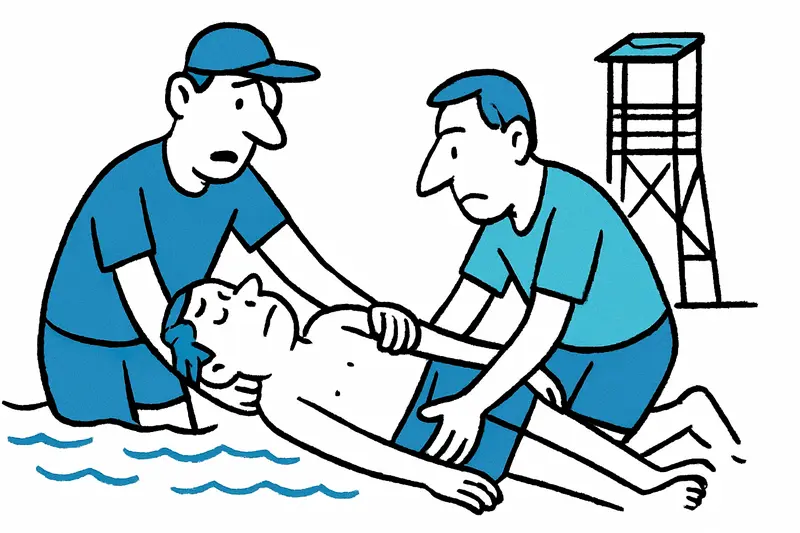
Magaluf: Watchtower Alarm – Lifeguards Pull Unconscious Beachgoer from the Water
After a drama in the late afternoon, two lifeguards at Magaluf beach rescued an unconscious 44-year-old man. He was stab...

Turquoise in the City: How dangerous is the color play of the Sa Riera?
The Sa Riera in Palma suddenly turned turquoise — a pretty motif, but behind the effect lies a discharge of saline waste...

Jeckliner at Sunnesching: Cologne spirit sets sail from Palma
In September 2027 the Mein Schiff 2 briefly becomes a floating carnival stage: four days with Cologne bands, comedy and ...
More to explore
Discover more interesting content

Can Cap de Bou

Townhouse Lleo 72
