
More Overbookings in the Balearic Islands: How Residents Can Truly Secure Their Flights
Recently, flights between the mainland and the islands have increasingly come under criticism due to overbookings. A look at causes, often overlooked problems and concrete steps island residents can take to enforce their rights.
More Overbookings in the Balearic Islands: Why it Particularly Affects Residents
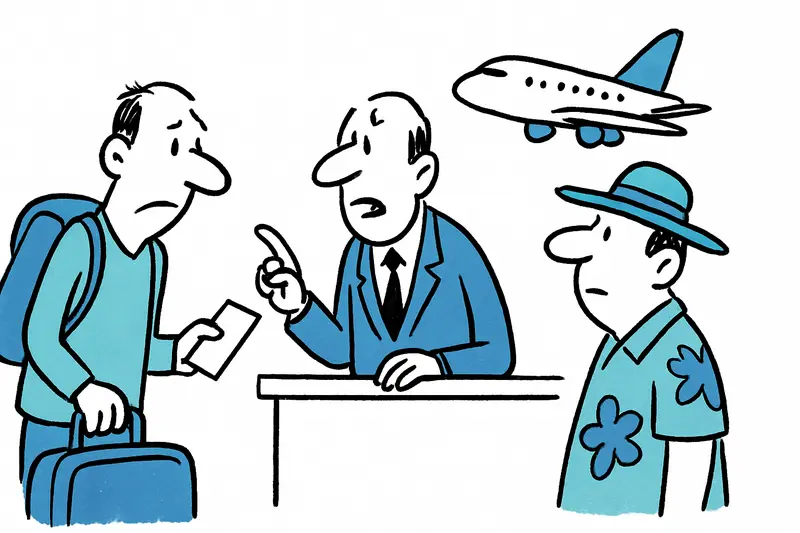
The quiet morning atmosphere at Son Sant Joan airport is these weeks sometimes pierced by sharp voices: "No more seats", "We have to rebook you" – and on the Avinguda de Gabriel Roca lines form at the counters while taxis honk in the warmth of the day. The central question many are asking: How can residents secure their seats – and what must authorities do so that overbookings do not become the norm?
The patterns are clearly visible: routes published with resident fares or special quotas for island inhabitants are particularly affected, a trend noted in Fewer Seats in Winter: What the 2025/26 Flight Schedule Really Means for Mallorca. Airlines seem to double-allocate seats more often than before or prioritize reservations from other sales channels to offset losses elsewhere. It sounds abstract but has tangible consequences: missed doctor appointments, business trips, family celebrations and additional nights with stress and costs.
What is often missing in the public debate
Most of the time you only hear the headline "overbooked", as discussed in Winter in Mallorca: Why More and More Flights Are Overbooked — and What Travelers Should Do Now. Less attention is paid to how seat distribution works technically. Airlines operate with different inventory systems: some fares, including resident fares, are in separate quotas – on paper. In practice, quotas are often broken up or reassigned during high demand, and check-in systems reward early logging in. Also rarely discussed is the chain reaction: a delay on one rotation swells return flights; errors in crew planning lead to capacity losses, and that often hits those who have little leeway: commuters, medically necessary travelers, people without a car on the island.
Another blind spot: enforcing passenger rights is complicated for many, especially residents. Correspondence, collecting receipts, filling out forms – that takes time, and those who urgently need to travel often postpone the legal route.
Pragmatic protective measures for travelers
Simple but consistent steps help in practice. First: arriving early at the airport makes a difference. Don't just arrive "on time", arrive early. At seemingly quiet mornings, the queue at 6:30 shows who takes it seriously. Second: check in online as early as possible – many airlines assign priority by check-in time.
Third: documentation is your best ally. Photograph your boarding pass, reservation number and residence card; save everything locally, not only in the app. If you are asked to give up your seat at the gate, get written confirmation of the incident and request a printed receipt with reasons and offered alternatives.
Fourth: have a plan B. Check alternatives like the ferry, other airlines or a later train. In some cases it is also worth a small investment in seat reservations or priority options, which cost money but can bring security.
And: keeping calm helps. The gate area is not the place for public outbursts. Those who act politely, firmly and with documentation have better chances of moving the staff at the door.
What authorities, airport operators and airlines should do
In the short term, transparency is needed: airlines should disclose reservation rules so that resident quotas do not disappear unnoticed. Airport operators could set up real-time dashboards that inform during bottlenecks – that reduces chaos at the counters.
In the long term, tougher controls and sanctions are needed. Regulation must not remain only on paper; authorities must document violations, impose fines and systematically enforce compensation payments. A mandatory, easy-to-use complaint process directly at the airport would lower the barrier for many affected people and hold providers accountable.
Technically, much would be possible: separate inventory reservations for resident fares, priority rules in check-in systems and automatic notifications of overbooking risks could prevent people from suddenly finding themselves without a flight at the gate.
What you can do concretely if it happens
Should an overbooking occur despite precautions: demand immediate written confirmation of the incident, collect receipts for additional costs and insist on your choice between refund or re-routing. Under certain conditions you are entitled to compensation of up to 250 euros as well as assistance, meals and – if necessary – hotel accommodation under EU air passenger rights.
If the airline does not cooperate, document everything and seek help from consumer protection organizations or the responsible aviation authority. Several island residents report that persistent follow-up was the only way to obtain refunds.
A small, practical closing thought
The coffee at the gate may not taste great, but it can save nerves. Those who are prepared have the better cards: arrive early, document everything, have alternatives ready and know your rights. And for policymakers: if island residents suffer because of accounting tricks in booking systems, more than good advice is needed – there need to be rules, enforcement and transparency.
The morning silence at Son Sant Joan is too precious to be drowned out by avoidable chaos.
Frequently asked questions
Why are overbooked flights affecting Mallorca residents so often?
How can I reduce the risk of being bumped from a flight in Mallorca?
What should I do if my flight from Mallorca is overbooked?
What passenger rights do Mallorca travelers have if they lose a seat?
Is it better to arrive early at Son Sant Joan Airport in Mallorca?
Why is it important for Mallorca residents to keep proof of residence when flying?
Are ferry or later flights a good backup for Mallorca travelers?
Where should Mallorca passengers complain about overbooking problems?
Similar News

From the Reality Studio to the Pitch: Aleks Petrovic Makes Mallorca His Base
The former participant in numerous TV shows moves from Dubai to the island and launches a project with FC Germania Mallo...

When the Phone Falls Silent: Concern for Sarah Joelle in Mallorca — and What It Reveals
After days without a response, the TV personality's unreachability in Mallorca sparked concern. Shortly afterwards an al...
Ultraluxury on the Ground: Four Seasons Jet in Palma — a Reality Check for Formentor and the Island
A high-priced flight crosses Mallorca and its guests stay for days at the Formentor resort. What does the island get bes...

Death of a Witness and the Justice Backlog: Why the Kegel Brothers Trial Matters in Mallorca
A witness in the Playa de Palma fire case has died, and the trial against eight German holidaymakers has been delayed un...

Champagne Reception, Red Carpet and Mini Originals: The Pre-Nit del Art at Gallery Mensing
Almost 400 guests, champagne, pop-art feats by Tom Boston and a raffle for the Parkinson's foundation: Gallery Mensing t...
More to explore
Discover more interesting content

Can Cap de Bou

Townhouse Lleo 72
