
Trial in Palma: About a device that allegedly promised to cure cancer and the responsibility of authorities
Trial in Palma: About a device that allegedly promised to cure cancer and the responsibility of authorities
In Palma, the trial begins against an entrepreneur active in Germany who is accused of selling devices for €7,000 that promised to cure cancer. What is missing in the investigation?
Trial in Palma: About a device that allegedly promised to cure cancer and the responsibility of authorities
Who bears the blame when an offering endangers life?
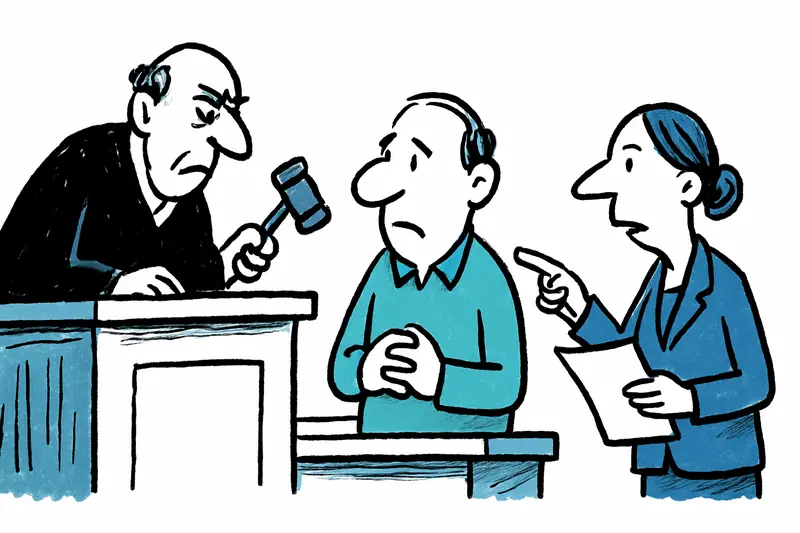
At the provincial court in Palma this week a man stands trial who, according to the plaintiffs, is said to have sold devices that allegedly could cure tumor diseases. The accused, primarily active in Germany and of Georgian origin, is said to have offered the devices via several websites and his own book. A buyer paid around €7,000, trusted the promises and apparently postponed a planned operation. Today in Palma the case concerns fraud and an offense against public health; a private lawsuit demands a total of nine years' imprisonment.
Key question: Why are products with such far-reaching claims able to spread in Europe, and how can patients be better protected?
Critical analysis: Medical claims must be verifiable. In the sale described here, electrical procedures and a so-called high-frequency treatment are said to cause an enrichment or 'energization' of water, which in turn could strengthen the immune system and fight cancer. Such causal chains are scientifically demanding and require clinical trials, independent expert opinions and approvals. If these are not available, then the product is not a medical device in the legal sense, but a promise without a reliable basis. The lawsuit adds another layer: the seller is alleged to have presented himself as a medical professional, which creates trust and can influence the patient's decision. It is precisely at this point that harm begins — when tested therapy is replaced by hope.
What is missing from the public discourse: Discussions of alleged miracle cures often focus on individual cases, as in Illegal Filler Treatments: Why Palma Must Crack Down Harder on the Beauty Black Market. Less attention is paid to how cross-border online trade, trade registers and domain management interact and create gaps, a problem similar to those revealed in Palma on Trial: The Major Real Estate Fraud and the Question of Justice. Also rarely discussed is how platforms that advertise such products take responsibility and whether verification mechanisms exist to identify and remove medical claims from sale, a problem highlighted by When the bargain leads to the hospital: Medical fraud in Palma and what now needs to change. The interface between civil lawsuits and public prosecution also often remains nebulous: in this case there is a private lawsuit with high prison terms while the prosecution has not yet formally brought charges.
Everyday scene from Mallorca: In the morning at Passeig Mallorca one can hear church bells and the clatter of bistro cups. A woman who regularly visits the island's medical practices speaks quietly about this case at the Son Espases market and shakes her head. 'You look for every hope,' she says, 'but you must not believe everything that shines.' This mix of familiarity and skepticism can be found in many places: at the café in Santa Catalina, on the promenade of Portixol, even on the waterfront benches of Palma.
Concrete solutions: First, platform operators and marketplaces must be required to actively verify medical claims and mark or remove misleading offers. A reporting system that consumers can use easily should be available in all official languages. Second, stronger cooperation between European supervisory authorities is needed: if a product is offered in Germany but the consequences become visible in Spain, investigators, health authorities and consumer protection agencies must exchange data more quickly. Third, judges and prosecutors should prioritize cases that have health consequences and involve specialists in medical law. Fourth, education is essential: hospitals, general practitioners and patient organizations should clearly communicate how to recognize trustworthy therapies and where to find help.
A pragmatic local step would be a publicly accessible registry in the Balearic Islands for complaints about healing promises that connects authorities, consumer centers and clinics. Additionally, short information leaflets could be distributed in clinics and municipal offices — simple, in several languages and with tips on what to look for in offers.
Punchy conclusion: Those who trade with sick people play with life and trust. The case in Palma shows how dangerous it is when healing promises stand outside the scientific review process while personal pretences of expertise calm suspicion. It is not enough to legally pursue individual deceptions; what is necessary is a system that recognizes such offers more quickly, protects affected people more effectively and cooperates across borders. Whoever fails to improve here allows a marketplace for hope without guarantees.
Frequently asked questions
When is Mallorca at its sunniest and most comfortable to visit?
Is it safe to swim on Mallorca's beaches?
What should I pack for a trip to Mallorca?
How can I get around Mallorca without a car?
What language tips help when visiting Mallorca?
What outdoor activities are good to try on Mallorca?
What should I know about Mallorca's weather and swimming conditions?
Are there basic health and safety tips for visiting Mallorca?
Similar News
Failed before the first flight: How Fischer Air's plans for Palma were ground down
Announced routes, repeated postponements and now apparent insolvency: Why the Fischer Air project for Mallorca is not me...
Seconds in the Water: 19-year-old Fights Her Way Out of Flooded Car in Palma
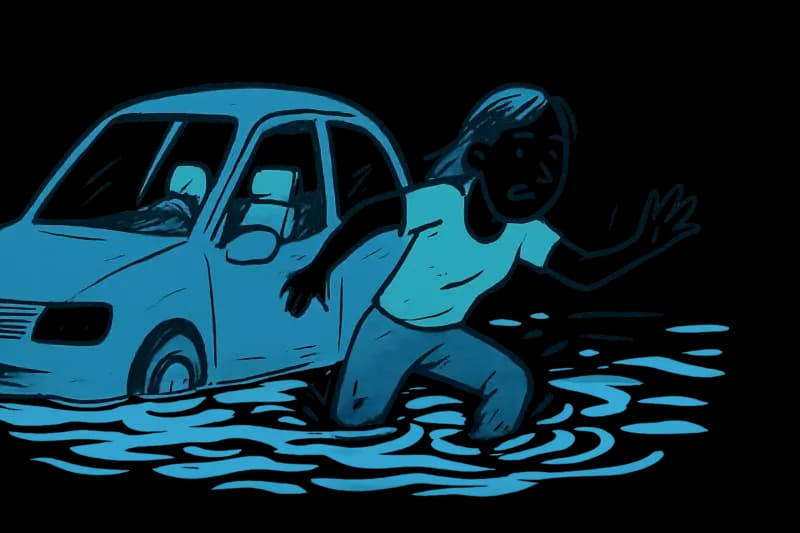
A 19-year-old managed to rescue herself from her half-submerged car after sliding under the Verge de Lluc underpass. Res...
Between Dream and Reality: Thorsten Legat and the Challenges of FC Germania Mallorca
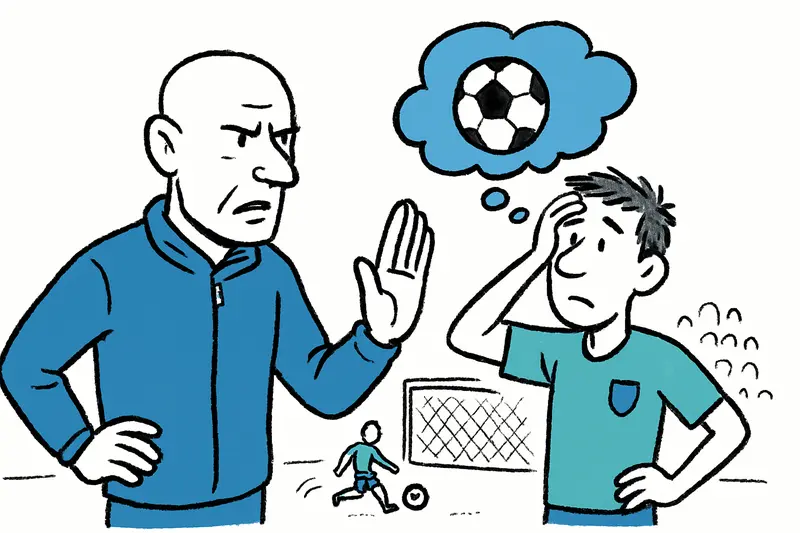
The former Bundesliga pro has assembled a colorful squad in a short time. But how realistic is the grand plan for promot...

Arrest warrant at check-in: Why two travelers at Cologne/Bonn Airport suddenly had to pay
At Cologne/Bonn Airport, federal police in mid-September found two German passengers subject to enforcement measures. Bo...

Balearic Islands as a New Route: A Reality Check on Rising Boat Migration
For the first time the Balearic Islands are ahead of the Canary Islands in boat arrivals. What do the numbers really say...
More to explore
Discover more interesting content

Can Cap de Bou

Townhouse Lleo 72
