
Ma-20 Blocked: A Truck Breakdown and the Vulnerability of Palma's Roads
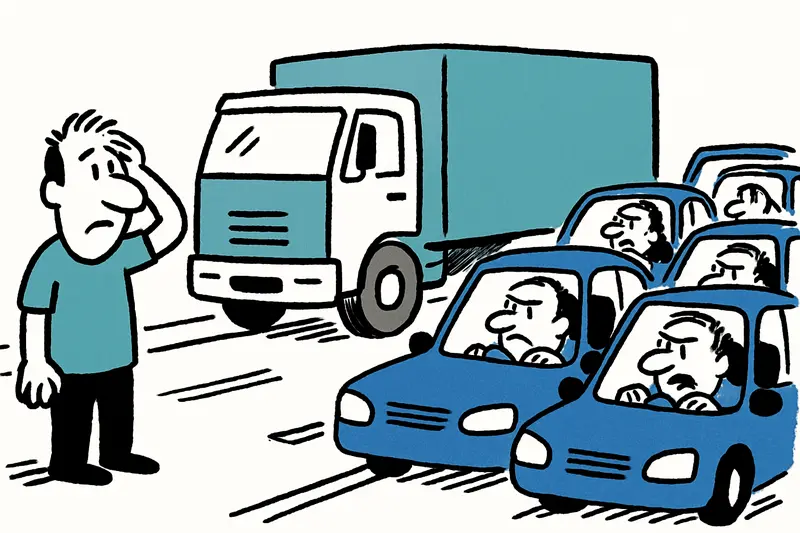
A stranded truck on the Ma-20 threw Palma off balance this morning. What looks like a single annoyance reveals structural weaknesses in traffic management — and also shows where quick improvements are possible.
Dawn, sputtering engines: A tire brings Palma to a standstill
It was just after seven, still dim, when the Vía de Cintura turned into a metal avalanche on an ordinary weekday. A lorry broke down in the left lane heading towards Andratx. The incident was covered in Truck Breakdown Paralyzes Vía de Cintura – Palma in Morning Traffic Chaos. Within minutes the Ma-20 transformed into a long chain of brake lights. Eyewitnesses report that the queue stretched almost from Inca to Marratxí; feeder roads from the airport and junctions towards Manacor went haywire. The morning smelled of diesel, horns and frustration — and hundreds of commuters watched the clock mercilessly tick on.
Key question: How much risk can Palma's road network tolerate?
That a single vehicle can slow a metropolis is not surprising in itself. The real question is how quickly those responsible draw consequences from such an event. The Ma-20 is used daily by around 190,000 vehicles. Is this system not already at the limit of its elasticity? Anyone who regularly commutes between Son Hugo and the Llevant motorway interchange knows: reserves are part of the daily plan. But reserves are not a plan; they are an admission of a structural problem.
The often overlooked consequences beyond delay
In the short term, such a breakdown means loss of time: commuters who turn a 25-minute trip into 70 minutes, annoyed taxi drivers at Plaça España, bus timetables falling apart. This pattern is documented in Accident on the Ma-19: Why Palma's Bus Network Collapses on Hot Days. Less visible but equally serious are the impacts on emergency services, supply chains and air quality. When ambulances have to inch through queues meter by meter, more than a delivery van depends on a breakdown clearing. Traders in industrial areas like Can Valero report shifted delivery windows. And idling combustion engines quickly pump toxic substances into the air — particularly noticeable for residents around Son Hugo on warm days.
Why construction sites and detours make the problem worse
Well-intentioned roadworks, half-finished lane markings or poorly synchronized traffic lights often create new bottlenecks. There is a lack of clear responsibilities: who prioritizes towing procedures? Which teams are allowed to intervene immediately? Too often the short-term cheaper approach wins; long-term relief is postponed. The result: a chain of improvised solutions that collapses at every disruption. Similar long blockages have occurred before, as reported in Severe rear-end collision on the Ma-13: Why the stretch between Inca and Palma often becomes a bottleneck.
What is rarely discussed
The debate often remains limited to delays and annoying morning hours. Less discussed are the economic knock-on costs for small businesses, the psychological strain on commuters and the cumulative effect of repeated congestion on the urban climate. Also underexposed is the question of responsibility and funding models for preventive measures: who pays for rapid recovery vehicles, for digital infrastructure or for reliable night logistics?
Concrete steps that could have quick impact
Rapid tow teams at critical junctions: Centrally stationed, contract-bound tow trucks could respond within minutes. That would significantly reduce downtime and relieve those waiting.
Temporary emergency lanes and clear rules for rescue corridors: Barriers and traffic routing should be planned so that an emergency lane remains possible in case of disruption — this requires a rethink in construction planning and clear guidelines from the Dirección General de Tráfico.
Real-time communication instead of vague radio reassurances: Apps, dynamic signs and quick radio messages could coordinate diversions and avoid abrupt braking maneuvers. Commuters react when information is precise and fast.
Shifting freight traffic: More night logistics and consolidated delivery windows to Can Valero or Son Hugo would dampen peak loads. This needs incentives, controls and the trust of haulage companies.
Better public transport and park & ride at the periphery: If buses run like clockwork during rush hour, a single disruption becomes less dramatic. More bus lanes, higher frequencies and affordable parking at city edges could keep many cars off the Ma-20.
Conclusion: A construction site with many construction sites
Today's truck breakdown was only the trigger — in fact it exposes the lack of redundancy in Palma's traffic network. The Ma-20 is a main artery that bleeds heavily from a single puncture. In the short term, better towing concepts, transparent communication and load shifting help. In the medium term, a plan is needed that controls roadworks more intelligently, creates alternative routes and makes traffic more climate-friendly. The central question remains: how long will those responsible wait before making the city's arteries robust enough that a single blown tyre doesn't steal an entire morning?
Frequently asked questions
Why can a single breakdown on Palma's Ma-20 cause such long traffic jams?
What should drivers in Mallorca do when the Ma-20 is blocked in the morning?
How does traffic on Palma's ring road affect buses and taxis?
Does heavy traffic on the Ma-20 in Mallorca affect air quality?
Why do roadworks and detours make Palma traffic worse?
What makes Can Valero vulnerable when the Ma-20 is congested?
Is Palma's Ma-20 already too busy for daily commuting?
What changes could make Palma's traffic network more resilient?
Similar News
After Being Admitted to Hospital Again: Heinz Hoenig and the Questions We Should Ask in Mallorca
Long-time Mallorca resident Heinz Hoenig was admitted to hospital again. A clear “what next?” is missing from the covera...
Yellow Alert: Is Mallorca Prepared for the Next Rain Band?
Aemet has issued a yellow alert for the south, southwest and the island's interior. Thunderstorms and heavy rain are for...
Kegel brothers trial postponed: Why Mallorca must wait for a verdict
The trial of 13 German holidaymakers will not begin until May 2028. The long wait raises questions — for victims, defend...
Chaos on Palma's Runway: Why the Summer at the Airport Was So Disrupted
This summer laid bare where Palma airport is faltering: only just over half of departures were on time and seven percent...
Cocaine Offer on Ham Street: Why the Open Trade Should Ring Alarm Bells
In the middle of Pare Bartomeu Salvà a tourist was offered a packet of cocaine as part of a sunglasses deal. A short int...
More to explore
Discover more interesting content

Can Cap de Bou

Townhouse Lleo 72
