
Accident on the Ma-19: Why Palma's Bus Network Collapses on Hot Days
An accident on the Ma-19 shut down several key bus connections on Friday. EMT asked for patience — but the disruption laid bare how fragile Palma's transport system is during high season.
An accident, many consequences: the Ma-19 as a bottleneck
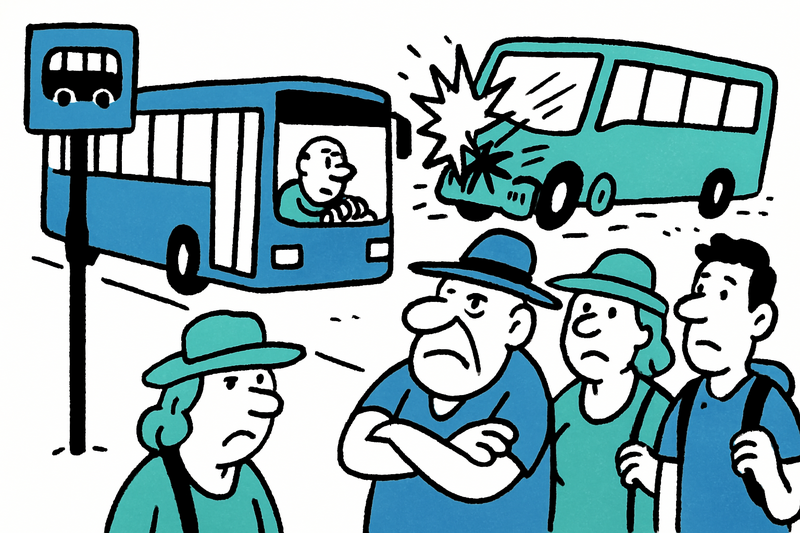
Last Friday An accident on the Ma-19: Why Palma's Bus Network Collapses on Hot Days, the motorway between Palma and the southeast, turned several familiar stops into waiting loops: routes like 23, 25, 35 as well as A1 and A2 came to a standstill or were delayed by more than an hour in some cases. In the blazing sun people stood with suitcases, children’s squeals mixed with the screeching of bus brakes, and somewhere behind the cypresses the quiet hum of air conditioners could be heard — a scene many Mallorcans and visitors know all too well.
The central question
Why can a single accident on the Ma-19 throw Palma's bus network so far off balance? This question is more than sarcastic irritation in online comments. It hits the core: it’s about capacity, planning and priorities on an island that in summer is burdened not only by visitor numbers but also by traffic.
What happened this time — and what is rarely mentioned
EMT quickly posted updates on Instagram and asked for patience. Replacement buses were supposed to help, yet many passengers still waited a long time. The problem runs deeper than a traffic jam: the Ma-19 is not just a transit route, it is also a lifeline for commuters, seasonal workers and tourists. When something goes wrong there, there are often no effective detour routes because side streets cannot handle bus traffic or reserve vehicles are scarce.
What many reports overlook: the burden on staff. Drivers end up doing several extra shifts, traffic controllers juggle with missing vehicles, and cleaning crews struggle with backed-up buses. Language is also an issue — many foreign guests rely on English- or Spanish-language information; at busy stops there is sometimes not enough staff to help in multiple languages. Similar tragic events are a reminder of the stakes, as in Fatality on the MA-19 near Palma: How did a pedestrian get onto the highway?.
Infrastructure meets summer heat
The combination of rising temperatures, heavy traffic and isolated accidents intensifies the impact. Asphalt shimmers, cicadas chirp, and stops without shade become a test of patience. There is also an ecological aspect: idling or slowly moving bus fleets cause unnecessary emissions — a contradiction to calls for sustainable mobility.
Analytical: Why replacement buses alone are not enough
Replacement buses are a classic measure. But they hit limits when the whole corridor is blocked. Reasons:
- Limited reserve fleet: There is a finite number of available vehicles; they are often already in use.
- Lack of prioritization: Without temporary bus lanes or coordination with the police, replacement vehicles also get stuck in traffic.
- Information deficit: Many passengers receive only delayed updates, causing stops to become overcrowded.
These problems show that short-term measures must be combined with structural changes. Other incidents, such as Severe rear-end collision on the Ma-13: Why the stretch between Inca and Palma often becomes a bottleneck or the morning when the Ma-20 Blocked: A Truck Breakdown and the Vulnerability of Palma's Roads, illustrate how single events cascade across the network.
Lesser-known opportunities and concrete solutions
An accident on the Ma-19 does not have to be a persistent nuisance. Concrete approaches:
- Temporary emergency lanes for buses: Short-term, signal-controlled bus lanes on alternative routes could increase capacity.
- Mobile information booths at key junctions: Especially at airport and beach stops, teams could inform passengers directly — multilingual and with water bottles in heat.
- Reserve parking for shuttle fleets: Strategically placed bus depots near the airport and in Llucmajor/Campos would allow faster deployments.
- Cooperation with taxi and minibus operators: Contingency agreements in emergencies would provide additional seats on short notice — a useful complement when incidents like the Crash on the Ma-10: Bus collides head-on with a truck — What does this say about our roads? disrupt services.
- Real-time digital route planning: Improved connectivity between the traffic control center, police and EMT enables dynamic diversions.
In the long term, investments are needed: more bus lanes, better side roads, and a larger, sustainable vehicle reserve.
What this means for everyday life
For residents and tourists the message is clear: public transport is indispensable, but vulnerable. Those who rely on bus lines daily notice the weaknesses first. Those arriving at the airport and waiting in the heat for a delayed bus experience the problem vividly.
EMT is not the only actor. Local police, municipalities along the Ma-19 and the tourism sector must work together. A pragmatic appeal: sometimes simple measures help, such as shade sails at busy stops or contractual readiness with private shuttles during peak loads.
Outlook
It would be too short-sighted to blame a disruption solely on the traffic accident. Rather, the incident reveals the limits of an island expected to meet too many demands in summer. The question remains: do we want to patch things up temporarily — or do we want to shape transport infrastructure so that a single accident on the Ma-19 does not slow down half the bus network? The answer will determine Mallorca's quality of life in the coming years.
Until then: seek shade, drink water and hope for better local knowledge by those responsible. And yes, a little patience is still required — but not as the permanent state.
Frequently asked questions
Why can one accident on the Ma-19 delay so many buses in Palma?
How hot weather affects bus travel in Mallorca during summer?
What should I do if my Palma bus is delayed because of traffic?
Are replacement buses enough when the Ma-19 is blocked?
Which Palma bus lines are often affected by Ma-19 traffic problems?
Is the Palma airport bus affected when there is an accident on the Ma-19?
What can Mallorca do to make bus service more reliable during accidents?
Why are bus stops in Palma so difficult on very hot days?
Similar News
The End of the Cheap Ride? Why Mallorca Is Hit Harder by the Fuel-Price Shock
Gasoline and diesel average close to two euros per liter. What this means for commuters, supply chains and renters in Ma...
Relaxed liquid rules in Munich: What Mallorca travelers will notice
At Munich Airport the 100-milliliter rule will be lifted at all checkpoint lanes — thanks to new CT scanners passengers ...
For 45 Years on Mallorca — and Then This: How a Market Visit in Santa Ponsa Became a Lesson
A woman who has lived on the island for decades lost money and important documents at the Mercat Setmanal in Santa Ponsa...
10 percent surcharge on the beach: How legal and transparent is the extra charge at Playa de Muro?
A German part-time resident noticed days after a restaurant visit in Playa de Muro that the bill included a flat ten per...

Body near the Llevant Market: What this death says about our city
A man was found dead on Sunday afternoon near the Llevant Market. Police say the death appears natural. The scene raises...
More to explore
Discover more interesting content

Can Cap de Bou

Townhouse Lleo 72
