
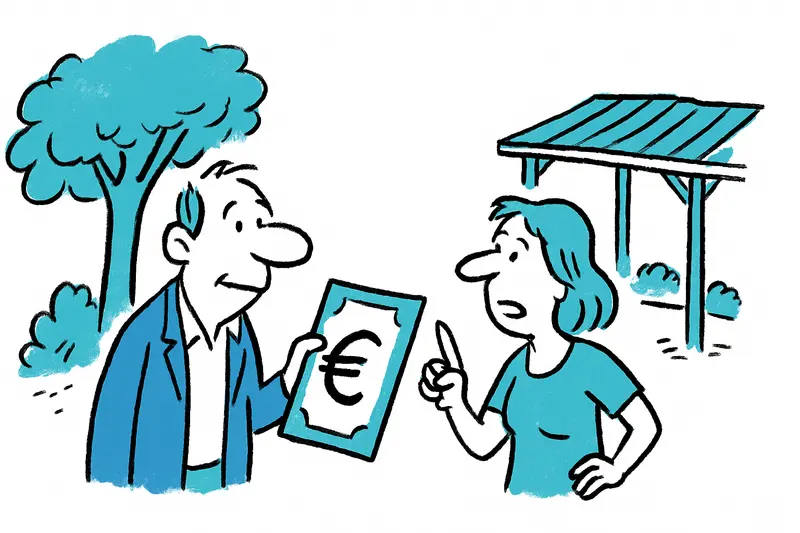
Two million euros for more shade: New heat-protection spots on Mallorca
Two million euros for more shade: New heat-protection spots on Mallorca
Trees, pergolas, green islands and shady schoolyards: The Balearic government is providing two million euros so municipalities like Inca, Sóller and Calvià can cope better with hot summers.
Two million euros for more shade: Mallorca prepares for hot summers
It smells of freshly turned soil at the Plaça de la Vila in Inca, a delivery van is parked, somewhere a coffee cup clatters — and the old woman beside the fountain simply wishes for more shade. That is exactly what the money will help with: the Balearic government is providing two million euros so that additional heat-protection locations can be created on the island. Specifically, trees, new green spaces and shade-giving coverings for public squares and streets are planned — places like Llubí, Sóller, Sa Pobla, Calvià and Inca are on the list.
What does that mean in practice? Squares should become greener, not just with a few shrubs, but with shade-bearing trees and seating areas that actually cool in summer. Schoolyards are also part of the program: someone who today sits in short trousers on the playground should in future at least find a corner where the sun takes a break. This is not only comfort for children but a visible contribution to health on particularly hot days like those described in Nearly 40 °C: Mallorca's Daily Life Under Heat Stress — How the Island Can Respond.
For us on the island this means more than just a few new trees. Shade changes how people use their town. A shady bench in the late afternoon turns the street into a meeting point; a landscaped square invites people to linger again instead of everyone hurrying past. In places like Sóller, where in summer tourists and locals look for shade in the narrow streets, such measures could significantly improve the quality of stay.
I picture a scene: a schoolchild who walks barefoot over the stones of the schoolyard after class and then breathes a sigh of relief standing under a pergola — it's these small everyday moments that make the project useful. In addition, trees create microclimates: the air stays cooler, the asphalt heats up more slowly, and even a short walk feels more bearable.
The sum sounds modest — two million euros — but it can make a noticeable difference in many places if the funds are used strategically. Good measures, besides planting, include simple constructions like pergolas, permeable surfaces, raised green islands and smart seating arrangements. Equally important are materials that store less heat and small water fountains in squares that provide relief on hot days.
It is also important to involve the municipalities. Local authorities know local needs best — the small market in Sa Pobla has different requirements than the lively seafront promenade in Calvià, and vulnerable groups are also affected as explored in No official heat protection for the homeless in Mallorca. Plant selection should favor drought-resistant, native species: plane trees or olive trees provide shade, Mediterranean shrubs stabilize the soil and need little water. Local associations and schools can be involved in planting actions — this creates a sense of connection and reduces maintenance costs.
A positive side effect: more green in the villages makes the island more attractive for everyday life, not just holiday time. Someone who walks the dog under tall trees in the morning, survives the midday heat with a coffee in the shade, or sits in the evening on a planted square experiences Mallorca as a more livable place — including better air quality and more public space quality in town centers.
The next step is implementation: draw up plans, place trees and pergolas where they are really needed, and equip schoolyards with simple, effective solutions. If you walk the Mallorcan streets now you might hear the rustle of new leaves — and in a few years the relieved laughter of children who can finally play outside again without sweating too much.
Outlook: Two million euros are not a cure-all against the heat, but a start. If municipalities, schools and neighborhoods work together, visible, immediately effective places of relief can emerge. A bit of shade makes the difference — for health, for everyday life and for the familiar feeling of being able to live well on this island.
Frequently asked questions
Why is Mallorca investing in more shade in towns and schools?
Which places in Mallorca are getting new heat protection?
How will new trees and shade structures help during Mallorca summers?
What is the best way to pack for Mallorca in very hot weather?
Is it still comfortable to visit Mallorca in summer if you avoid the beach?
Why are schoolyards in Mallorca part of the heat-protection plan?
What makes Sóller especially in need of more shade?
Will more trees and green spaces really make Mallorca towns cooler?
Similar News
Rental Car Theft in El Arenal: What This Incident Reveals About Our Gaps
A teenager steals a running rental car in El Arenal, flees on foot, climbs over walls and is caught by the Guardia Civil...
Red Rope in Palma's Library: What Helps Against Selfie Tourism — and What's Missing
Palma's city library cordoned off an area with a red rope to keep selfie tourism away from reading and working activitie...
Fort San Carlos: Museum, Harbor Dispute — and a Conflict That Demands Answers
The military museum at Fort San Carlos sits right on Palma's harbor, with unexpectedly quiet rooms filled with cannons a...
Old Town Under Pressure: When a Doorway Becomes a Sleeping and Shower Place
For months a woman has been living with a parasol, a clothes rack and personal belongings next to the social welfare off...
When Shopping Weighs Heavier: Mallorca Demands a Tax Pause on Food and Fuel
Rising prices are putting pressure on households and agriculture. The Balearic Islands are calling for temporary tax rel...
More to explore
Discover more interesting content

Can Cap de Bou

Townhouse Lleo 72
