
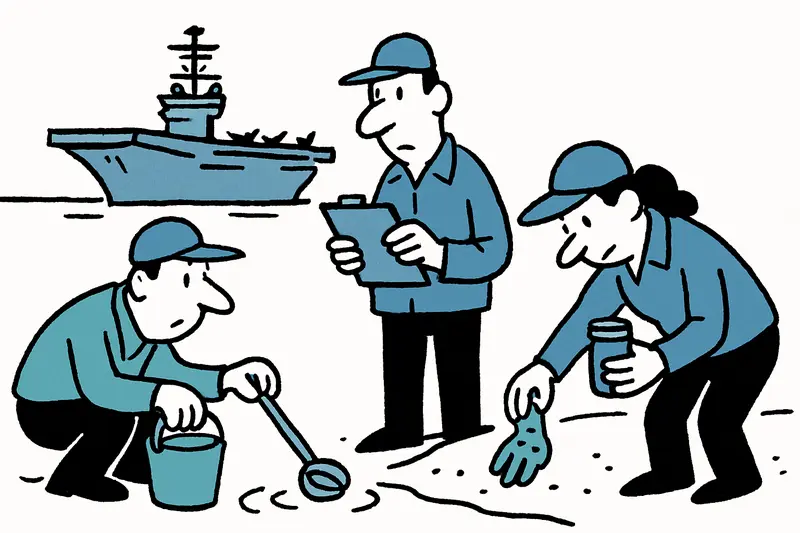
USS Gerald R. Ford off Palma: Routine or wake-up call for better controls?
The aircraft carrier was anchored in the bay — measuring devices, samples, reassuring statements. Are the checks sufficient, or should Palma monitor far more closely in the long term?
Are the checks sufficient? The key question after the carrier's visit
On Friday morning the USS Gerald R. Ford stood like an alien object in Palma's familiar silhouette (Giant at Anchor: US Aircraft Carrier Sparks Debate in Palma). On the Passeig Mallorca the usual sounds — bicycles, the clinking of espresso cups — mixed with unfamiliar ones: the soft whir of measuring devices on the quay, the click of tamper seals, the distant horn of a ferry. Lifeguards rolled up their towels, a fisherman at Porto Pi continued mending his nets as if it were just another morning.
The central question that lingered: Is today's routine for dealing with nuclear-powered ships sufficient to truly protect people and the environment — not just for a few hours, but over the long term?
What was visible — and what happens out of sight
Publicly, the operation presented itself almost like a practiced ritual: technicians in yellow caps, cooler boxes with samples, measuring devices at the water's edge. The first lab report read: no abnormalities (USS Gerald R. Ford off Palma: Between Warning and Everyday Life — Who Protects the Boats?). That is reassuring. But much that matters remained invisible: validation steps in the laboratories, reference values, agreements between the port authority, the city and the military. These hidden processes determine how reliable an all-clear really is.
Analysis: Why routine checks are not enough
Standardized single samples make sense — they provide quick answers and calm the public. But they remain snapshots. Three problems stand out:
Continuity: A measurement on a sunny morning says nothing about long-term trends. Only regular measurement series can show whether tiny contaminations are accumulating.
Transparency: Those who can inspect the raw data, reference values and lab protocols can put measurements into context. Without public insight, trust remains fragile.
Local observers: Fishermen, beach vendors, lifeguards and port workers are often the first witnesses to changes — they must be actively involved.
There is also an aspect that is rarely openly discussed: cumulative effects. Multiple berthings of nuclear-powered ships over years could cause very small releases that accumulate in sediments. These burdens are hard to detect if measurements are only taken at single points in time.
What is missing in the public debate
Alongside the physical risks is the mental burden on residents. Between ice cream parlors and sunbathers on the promenade there is often a quiet unease when a large carrier dominates the bay. This feeling is not scientific proof — but it is an indication that communication needs to improve.
Also missing so far is a long-term, publicly accessible monitoring system for the Balearics that systematically documents radiation and chemical indices. Without baseline data it is difficult to assess later measurements.
Concrete opportunities and proposals for Palma
The carrier's visit offers more than just cause for relief — it is an opportunity for improvement. Concrete proposals for the city:
Permanently installed monitoring stations: Sensors at Porto Pi, Can Pere Antoni and the harbor with publicly accessible live data. Such stations provide continuity and build trust when readings are open to all.
Independent verification: Have spot samples independently reanalyzed in municipal, university or certified private laboratories. Transparency instead of sole reliance on military reports.
Community reporting: A digital platform where fishermen, beach operators and citizens can report anomalies — with clear procedures for rapid verification.
Information materials and training: Short brochures and workshops for coastal professions: what to report? Where is the nearest contact point? Such measures reassure more than vague statements.
Long-term monitoring program: A publicly funded project that analyzes sediment, water and biota samples at regular intervals to reveal trends.
Emergency plans and drills: Regular exercises between the port authority, the city, environmental experts and hospitals create operational certainty — and reduce panic in a real incident.
Conclusion: All-clear yes, complacency no
The first measurements are reassuring — that deserves mention (US aircraft carrier off Palma — now in the Caribbean: What the presence of the 'Gerald Ford' means for Mallorca). But Palma should seize the opportunity to strengthen its own precautions. Not out of hysteria, but from healthy pragmatism: our bays are too important, local fisheries too experienced and people too vigilant to be satisfied with occasional single checks.
Those who work or live by the sea will be watching closely in the coming weeks — and that is a good thing. A bit more transparency and permanent monitoring would turn the quiet alertness in the bay into a genuine sense of security.
Frequently asked questions
Is it safe to swim in Palma Bay when a nuclear-powered ship is anchored off the coast?
What should residents in Mallorca know about radiation checks near Palma port?
Why are people in Palma asking for permanent monitoring stations by the harbor?
Can repeated visits by nuclear-powered ships affect Mallorca's coastline over time?
What information should Palma citizens be able to see after a ship safety check?
What role do fishermen and lifeguards play when a large ship is anchored off Mallorca?
What emergency preparations should Palma have for a nuclear ship visit?
Why does a large carrier in Palma Bay make some residents uneasy even if tests are normal?
Similar News

When a Taxi Fare Dispute Turns Violent: What the Magaluf Case Reveals About Safety and Prevention
In Magaluf a 2023 dispute over a taxi fare escalated: an 18‑year‑old British man is accused of seriously injuring a taxi...
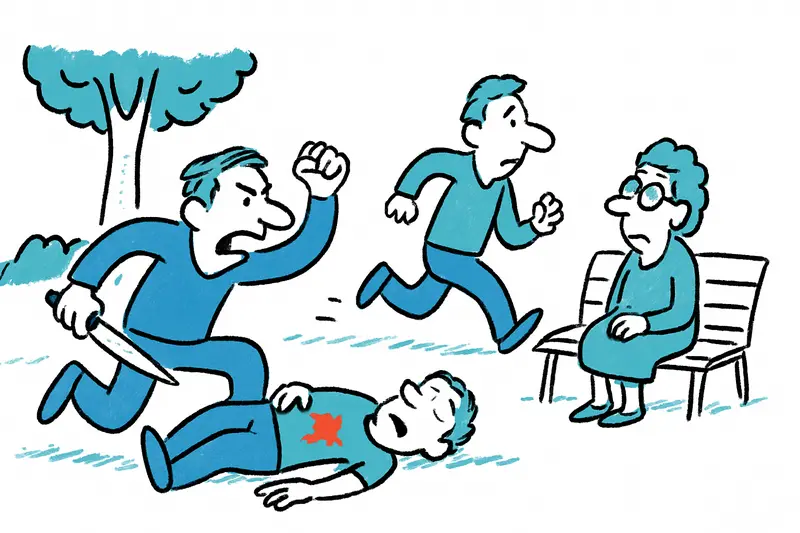
Bloody clash in Canòdrom Park: What is missing in addressing violence on Mallorca's streets?
At midday on October 23, an 18-year-old man was critically injured in Canòdrom Park in Palma. The attack raises question...
Palma raises bus fares: Who pays the bill for public transport?
Single tickets rise from €2 to €3, airport trips have a reference price of €4.50. It remains unclear whether residents w...
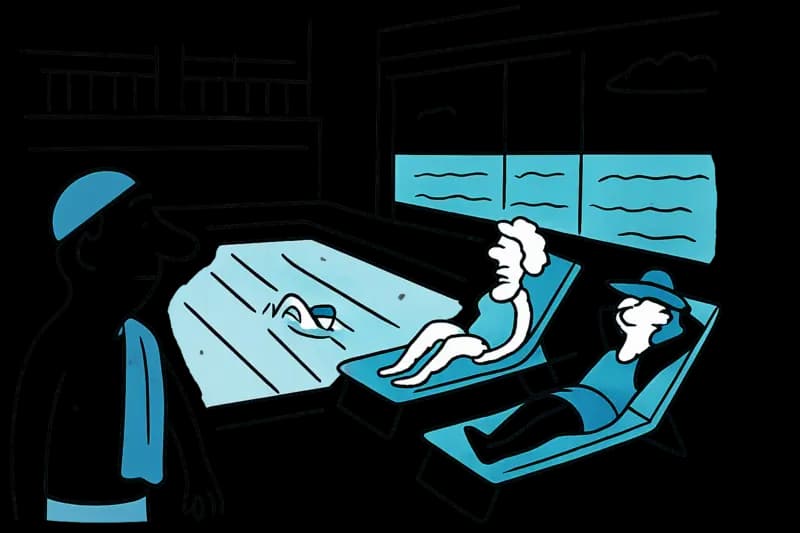
Palma's New Indoor Pool: Sea View, Sunbeds and Space for Everyone
At Aigua Dolça, near the Paseo Marítimo, Palma has a new municipal indoor pool. For a small fee people can now train, re...

How Four Burglars Emptied Ten Houses with a Simple Trick — and What It Means for Mallorca
Four men used the impressioning technique, posed as delivery workers and accepted two years in prison. A reality check f...
More to explore
Discover more interesting content

Can Cap de Bou

Townhouse Lleo 72
