
Who Protects Valldemossa's Charterhouse? A Construction Site That Leaves More Questions Than It Opens
Who Protects Valldemossa's Charterhouse? A Construction Site That Leaves More Questions Than It Opens
Two new entrances in the Claustre de les Murteres have pitted the administration against the opposition. Who authorized what was built — and what protection is missing for the historic fabric?
Who Protects Valldemossa's Charterhouse? A Construction Site That Leaves More Questions Than It Opens
Key question: How can a municipality safeguard the integrity of an ensemble protected as Bien de Interés Cultural when parts are privately owned and construction work begins?
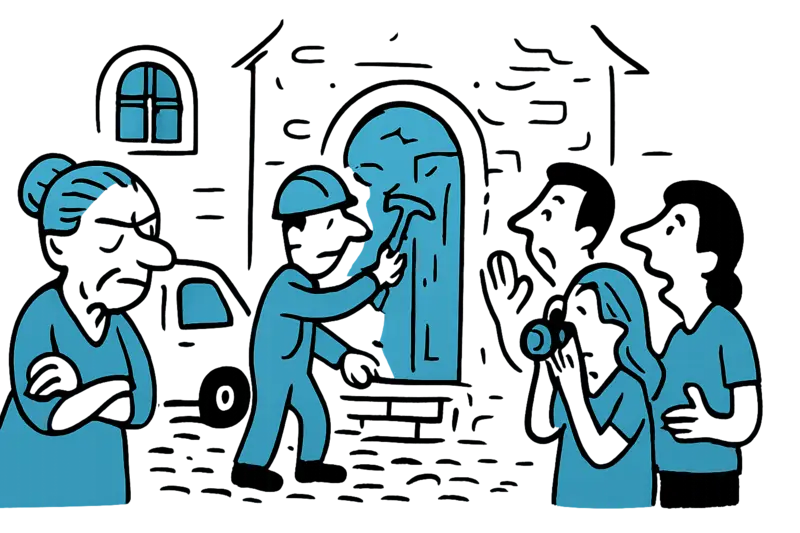
Early in the morning in Valldemossa: delivery vans maneuver on the cobblestones of the Carrer de la Cartoixa, a café on the Plaça serves espresso, and faint hammering can be heard from the Claustre de les Murteres. Tourists stop and photograph the façade; an older local woman shakes her head and says the heritage must be handled with care. That is precisely the heart of the dispute: two new passages appear to have been created in historic spaces and fitted with doors — interventions that raise questions about legality and the quality of oversight. Similar controversies have arisen elsewhere (see Corner General Riera/Antoni Marquès: Dispute over new residential block and protected façade).
The municipality stresses that it did not grant a building permit and is demanding from the owners documentation on the involvement of an architect and an archaeologist. The owners point to an alleged approval from a higher authority. From the information available so far it is not clear which permits actually exist, what conditions are attached to them, and whether professional supervision took place on site (compare with Valldemossa: Violence During Attempted Occupation — Who Protects the Houses in the Village?).
Analysis: The problem is a mix of complex ownership structure and weak control practice. The charterhouse consists of many individual plots that were historically separated; this creates legal spaces where private decisions have immediate impact on public places of memory. When construction work is carried out in areas containing original parts from the 18th century, cultural heritage protection law applies — but only if the authorities review matters in a timely, transparent and effective way.
What has been lacking in the public discourse so far: first, the technical question of whether the material introduced was properly documented. Was there a photo-documented inventory before the work began? (see Hole in the Roof of Valldemossa Charterhouse: Wake-up Call for a Historic Quarter). Second, the question of jurisdiction and verifiability of permits across administrative boundaries. Third: communication with residents and visitors. Valldemossa lives from being seen and told about; when citizens are not informed, mistrust grows.
An everyday scene as a sign: a shoemaker in the Carrer del Pare Còdol explains that people come to see Chopin's cell and are surprised when work is done in places listed in guidebooks as "original." Such small conversations show how sensitive local memory is. If people on site get the impression that monument protection is theoretical rather than practical, it provokes anger that is expressed politically.
Concrete, practical solutions: 1) Immediate, transparent clarification of the legal situation: the municipality, the island council and the owners should disclose the relevant permits and written conditions within a short period. 2) If documentation is missing: a temporary work stoppage and an independent inventory by an interdisciplinary expert team (conservator, archaeologist, structural engineer). 3) Public register: every measure on BIC-protected objects must be entered in an easily accessible online register with photographic evidence, responsible parties and conditions. 4) Mandatory on-site presence: interventions on original parts may only be carried out with an approved architect and a named restorer; their reports must be available for the duration of the project. 5) Mediation and participation: short information sheets for residents and a notice for tourists at the construction site explaining the work — transparency reduces rumours.
In short: legal measures alone are not enough; what is needed are traceable processes and visible professional responsibility. Political threats of sanctions are one tool but not the solution. What matters is establishing the technical prerequisites so that a violation can be determined beyond doubt.
Conclusion: The construction site in Valldemossa is a warning sign for dealing with shared cultural heritage. Whoever opened the doors in the Claustre must not only explain why, but also demonstrate how the historic fabric was protected. If the administration, owners and specialists do not act together and transparently now, a loss of trust threatens that will damage more than any suspected breach in a wall. The town needs clear procedures and quick, visible results — otherwise the protest will soon turn into lasting mistrust of heritage protection.
Frequently asked questions
What does safeguarding a Bien de Interés Cultural site in Mallorca involve when construction starts?
How can residents and visitors stay informed when a heritage building in Valldemossa is undergoing work?
What happens if documentation for work on a protected site is missing?
Who must supervise interventions on original parts of Valldemossa's Charterhouse?
What is the role of independent experts in Mallorca's heritage protection during construction?
What are recommended steps to improve transparency in heritage projects in Mallorca?
Why is clear communication important when a heritage site in Mallorca is affected by private ownership?
What practical measures can help protect Valldemossa's Charterhouse during ongoing work?
Similar News
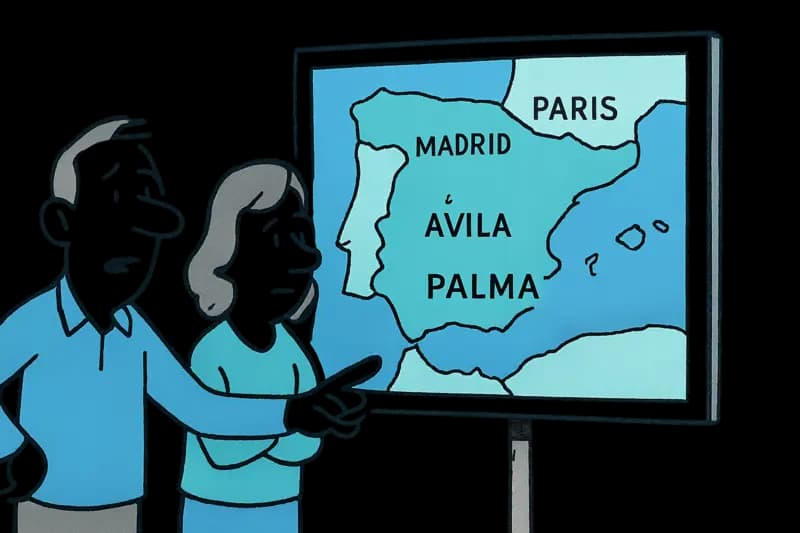
Advertising poster relocates Palma to the mainland - what the mistake says about us
An advertising poster for flights from Andorra shows Palma on the Spanish mainland. Why such an error occurs, what is mi...
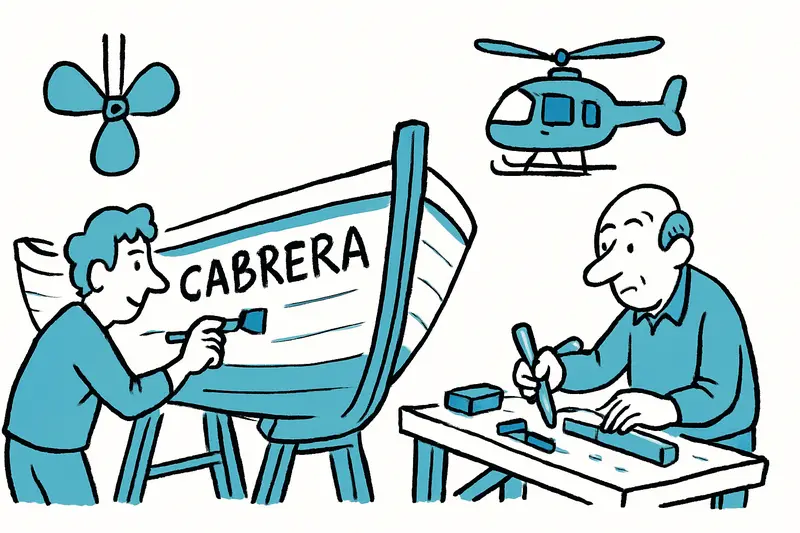
Between Runway and Keel: How Boatbuilding Lives in Son Bonet, Mallorca
In the small Son Bonet airport, craftsmen preserve the island's boatbuilding tradition: restoration work, woodworking gu...
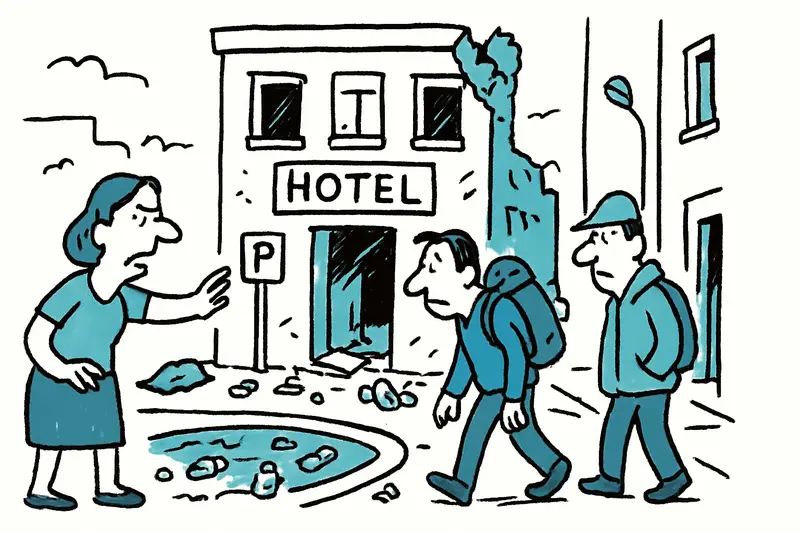
Debris by the Pool, Fear in the Streets: What to Do About the Squatted Hotel in s'Arenal?
For weeks people have been living in a vacant hotel on Rua Girona in s'Arenal. Trash, noise and insecurity plague reside...

Disguised Thieves on Palma's Shopping Street: Who Protects Shops and Shoppers?
For about eight months traders around Sant-Miquel have reported daily thefts, disguises and threats. Why do existing mea...

Long Weekend in Mallorca: Sun Returns, Sunday Nearly Summery
After several rainy days, Aemet brings relief: isolated showers on Friday, then milder, sunnier weather — Sunday up to n...
More to explore
Discover more interesting content

Can Cap de Bou

Townhouse Lleo 72
