
Vandalized in Pere Garau: Why Anti-tourism Spray Affects Locals Too
Vandalized in Pere Garau: Why Anti-tourism Spray Affects Locals Too
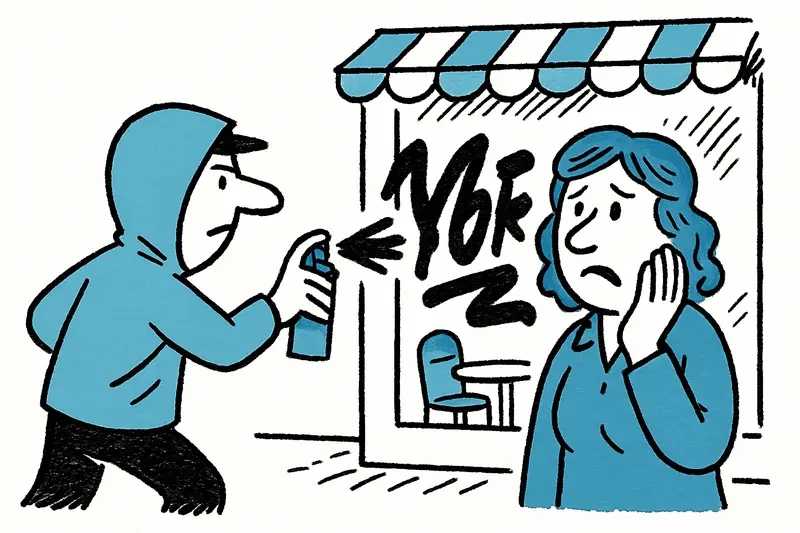
A newly opened yoga studio with a café in Pere Garau was sprayed with slogans like "Less tourism, more neighborhood." The incident shows that protest against mass tourism can quickly turn into exclusion — and the public debate lacks concrete solutions.
Vandalized in Pere Garau: Why Anti-tourism Spray Affects Locals Too
Key question: How do we deal with protests against mass tourism when they turn into direct attacks on people and small shops?
Brief summary of the incident
On the night after the soft opening of a new yoga studio with an attached café in Pere Garau, the slogan "Less tourism, more neighborhood" was sprayed in black paint on windows and the façade. The owner, who grew up on Mallorca and now runs her shop in Palma, described the incident as deeply hurtful. The next morning the city had removed the inscriptions.
Critical analysis
The slogan sounds simple, almost catchy. Behind it, however, lies a problem with several layers: there is the real concern of many neighbors about gentrification, rising rents and the loss of social diversity. And there is the form of protest — illegal damage to other people's property — which turns a social problem into a personal attack. When graffiti does not distinguish between tourists, investors or small local businesses, it quickly hits people who want the opposite of profit-driven holiday rentals: local offerings, meeting places, and discounts for residents. It can even escalate into property damage, such as scratched cars with German license plates in Santanyí.
What is missing in the public debate
There is a lot of talk about "too many tourists" or "too many holiday apartments." Much less is being heard about concrete ways for neighborhoods like Pere Garau to stay vibrant without resorting to hostile practices. Also underrepresented is the perspective of people who are labeled as newcomers but who grew up here or live here permanently. Such residents — for example, young entrepreneurs — are often lumped into the problem, even though in many cases they are explicitly rooted locally. Media coverage often focuses on headline incidents rather than solutions, for example a tourist etching a name into a cave wall in Portals Vells, instead of exploring long-term approaches to coexistence.
Everyday scene from Pere Garau
At the market stall on the Plaça in the morning, women sit with baskets, vendors peel oranges, children romp on the pavement. Coffee smells drift from an open window, from the new café you can hear soft yoga music and the scrape of a chair on stone tiles. Then the grey night, spray cans, a hurried inscription — in the morning the shock among neighbors, the rustle of trash bags, voices discussing it, and the city street sweeper removing the paint. This is what conflicts look like that could actually be solved more quietly.
Concrete approaches to solutions
1. Quick, transparent removal: Experience has shown that rapid removal reduces the impact of hate messages. The city should have fixed time windows within which xenophobic or inflammatory graffiti is removed. 2. Contact points for those affected: Small businesses need a low-threshold reporting procedure that combines advice, documentation and support (e.g., cleaning subsidies). 3. Preventive neighborhood work: Local mediation teams, supported by the municipality and residents' associations, can moderate conflicts before and after they arise. 4. Education and debate locally: Workshops in schools and community centers about dealing with diversity and peaceful protest. 5. Creative alternatives: Legal spaces for wall art and community murals — there the concerns can be made visible and expressed respectfully. 6. Law and proportionality: Prosecution of property damage combined with opportunities for restitution (e.g., community service in the neighborhood) rather than only punishment. 7. Strengthening the local economy: Small grants for resident discounts and initiatives that attract locals show that a shop is invested in the neighborhood.
Why this matters
Anyone watching the market sellers at the Plaça de Pere Garau will quickly notice: the neighborhood thrives on exchange, not exclusion. Vandalism creates brief media attention, as seen with xenophobic graffiti at Playa de Palma, but no solutions. It shifts the debate away from structural questions — such as housing policy or regulation of tourist offerings — toward personal confrontations that poison communal life.
Concise conclusion
Protest is legitimate; damaging property is not. Those who argue against mass tourism here in Mallorca risk losing their legitimacy when methods affect people who are already part of island society. Instead of doing politics at night with spray cans, what is needed is more courage to be visible in the daytime: dialogue, clear demands to politicians and landlords, and concrete neighborhood solutions. Otherwise all that remains at the end is paint on the wall — and a little less trust among the people who sweep the streets every morning, open shops and take children to school.
Frequently asked questions
Why do some people in Mallorca oppose mass tourism so strongly?
Is anti-tourism graffiti in Mallorca usually aimed at tourists only?
What should small businesses in Palma do if they are vandalized?
Why was the Pere Garau case seen as especially hurtful?
How quickly should graffiti be removed in Mallorca neighborhoods?
What are peaceful ways to protest tourism in Mallorca?
What is the atmosphere like at Pere Garau market in Palma?
Can anti-tourism protests in Mallorca help solve housing problems?
Similar News

Rental Car Theft in El Arenal: What This Incident Reveals About Our Gaps
A teenager steals a running rental car in El Arenal, flees on foot, climbs over walls and is caught by the Guardia Civil...
Red Rope in Palma's Library: What Helps Against Selfie Tourism — and What's Missing
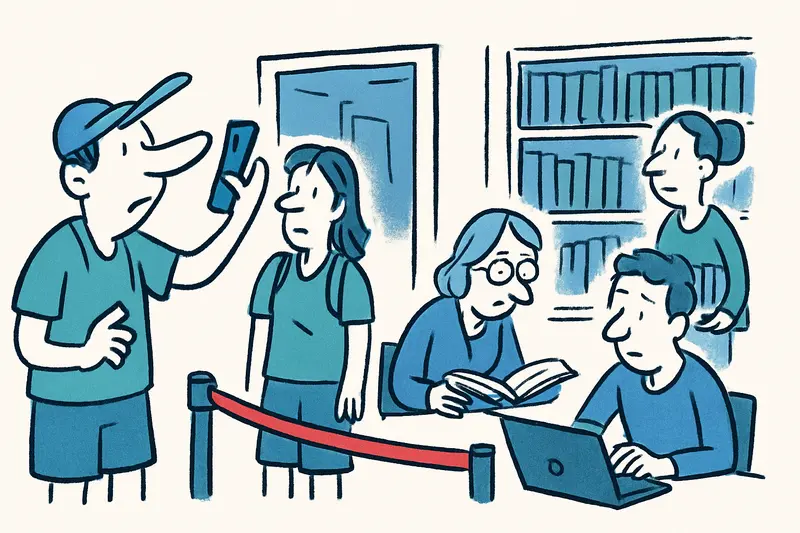
Palma's city library cordoned off an area with a red rope to keep selfie tourism away from reading and working activitie...
Fort San Carlos: Museum, Harbor Dispute — and a Conflict That Demands Answers
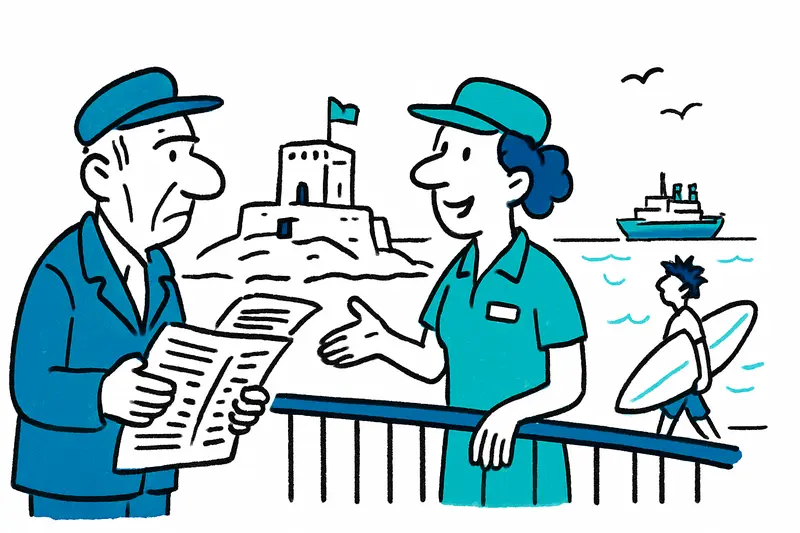
The military museum at Fort San Carlos sits right on Palma's harbor, with unexpectedly quiet rooms filled with cannons a...
Old Town Under Pressure: When a Doorway Becomes a Sleeping and Shower Place
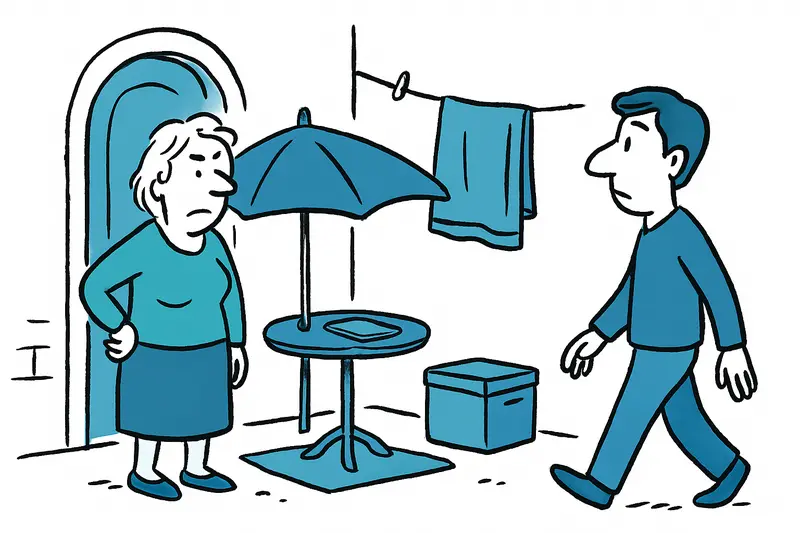
For months a woman has been living with a parasol, a clothes rack and personal belongings next to the social welfare off...
When Shopping Weighs Heavier: Mallorca Demands a Tax Pause on Food and Fuel
Rising prices are putting pressure on households and agriculture. The Balearic Islands are calling for temporary tax rel...
More to explore
Discover more interesting content

Can Cap de Bou

Townhouse Lleo 72
