

Watch Robbery in Port d'Andratx: A Reality Check for the Luxury Harbor
Watch Robbery in Port d'Andratx: A Reality Check for the Luxury Harbor
Two robberies within a week, victims from Austria and Germany, about 20,000 euros in property damage: time for a close look at security in the harbor of Port d'Andratx.
Watch Robbery in Port d'Andratx: A Reality Check for the Luxury Harbor
Why pretty boats and sun terraces alone do not protect against organized theft
Key question: How could two tourists be so visibly robbed in the Port d’Andratx harbor within a few days, and what needs to change so visitors can stroll along the waterfront again without fear?
On a clear April afternoon you sit on the promenade of Port d'Andratx and hear the faint clack of ropes, the rattle of an outboard motor and the murmur of voices from the cafés on the pier. People stroll between olive trees and bougainvillea, photograph yachts, drink cortado. It is precisely this relaxed, open atmosphere that makes the harbor attractive to offenders: visible watches, brief distractions, little strict control at entrances and exits.
In the first days of April two robberies occurred that, in their simplicity and brutality, point to a larger problem. On April 3 an Austrian tourist had a high-value watch violently snatched from him on the harbor promenade; on April 9 a German holidaymaker suffered a similar fate when a Tag Heuer watch was taken. The material damage is reported at around 20,000 euros. Both victims filed reports with the Guardia Civil in Calvià; investigations are ongoing, surveillance material has been reviewed and witnesses interviewed. Similar incidents have been reported previously, for example in Assault in Port d'Andratx: What the Rolex Robbery Means for Harbor Safety.
Some facts are important: offenders often flee quickly on motorcycles or scooters. The trail points to a mobile, cross-border structure — in this case the hypothesis is that people from other European countries may be involved. Such groups move purposefully to places where short attention spans meet visible wealth, a pattern noted in Organized watch robbers in the Balearics: Why Mallorca must also stay vigilant.
What has been missing in public discourse so far: reports usually focus on the individual act, not on structural weaknesses. What role do harbor logistics, parking and access control, shift planning of patrols and cooperation between municipalities play? How quickly is information about similar crimes shared between island authorities and mainland police? Cases such as the Robbery in Palma's Old Town: Luxury Watch Stolen — How Safe Are Evening Walks? underline the need for swift information sharing. Such questions are almost always missing from reports, but they are at the heart of a sustainable solution.
Practical gaps are visible. Cameras are present, but often there is a lack of real-time integration, equipment to identify fast-fleeing motorcycles, or enough personnel to close plausibility gaps between sightings and checks. Once again it becomes clear: technology without tactical deployment concepts helps only to a limited extent.
A look at everyday life: early in the morning, when locals fetch bread and fishermen repair their nets, the presence of security forces is noticeable. At midday, when cafés are full and the waterfront is lively, the young tourist is an easy target. Hotel guests leave watches on their wrists to avoid opening luggage in the room; boat owners park tightly at the quay and do not notice observers passing by. These scenes repeat themselves in many places on the island.
Concrete and actionable suggestions: First, more visible presence during times of high visitor numbers, combined with targeted plainclothes patrols specialized in scooters and motorcycles. Second, better networking of surveillance cameras with automatic license plate recognition at access points and with centralized real-time analysis. Third, clear and multilingual prevention notices at harbors, car parks and in hotels: visible warning signs help reduce risky behavior.
Fourth, marinas should consider offering small lockers or temporary safes for visitors in the long term, similar to airports; lessons from incidents like Night Robbery in Puerto Portals: Luxury Watch Theft Raises Security Questions support this. Fifth, a local reporting system for minor crime that quickly informs boat owners, rental agencies and hoteliers when patterns are recognizable. Sixth, a coordinated task force between the island police, the Guardia Civil and neighboring regions to analyze movement profiles of organized gangs and systematically mount manhunts.
For tourists the usual simple rules still apply: do not display valuables openly, photograph serial numbers and, if possible, leave valuables in the hotel safe. Anyone who becomes a victim should report it immediately to the Guardia Civil — in Calvià both cases were recorded and are now part of the investigations.
Pointed conclusion: Port d'Andratx is not a dangerous place per se, but its charm attracts organized offenders. Those who focus only on treating symptoms — more press releases, regrettable words from politicians — miss the opportunity for sustainable security. Preventive design, smart technology and better cooperation are needed so the promenade becomes a place for relaxed strolling again and not for quick robberies.
The island community can and must improve here: less ignorance of small signs, more exchange between local actors and a clear focus on the times and places where harbor culture meets tourist carelessness. Otherwise it will remain only reports — and soon even more victims.
Frequently asked questions
Is Mallorca warm enough to swim in the sea in spring?
What is the weather usually like in Mallorca in May?
What should I pack for Mallorca in spring?
Is early spring a good time to visit Mallorca?
Can you walk and hike in Mallorca in spring?
What is Palma de Mallorca like in spring?
Is Sóller a good place to visit in spring?
Is Alcúdia nice to visit before summer starts?
Similar News

Rental Car Theft in El Arenal: What This Incident Reveals About Our Gaps
A teenager steals a running rental car in El Arenal, flees on foot, climbs over walls and is caught by the Guardia Civil...

Red Rope in Palma's Library: What Helps Against Selfie Tourism — and What's Missing
Palma's city library cordoned off an area with a red rope to keep selfie tourism away from reading and working activitie...

Fort San Carlos: Museum, Harbor Dispute — and a Conflict That Demands Answers
The military museum at Fort San Carlos sits right on Palma's harbor, with unexpectedly quiet rooms filled with cannons a...
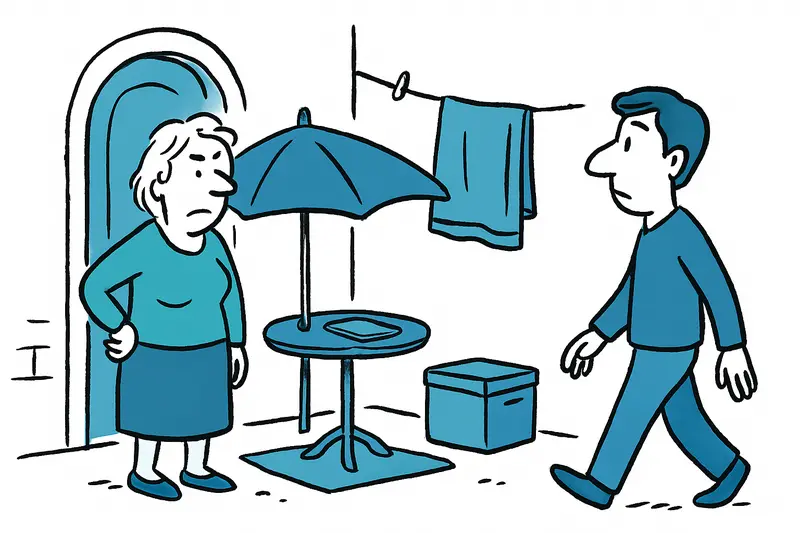
Old Town Under Pressure: When a Doorway Becomes a Sleeping and Shower Place
For months a woman has been living with a parasol, a clothes rack and personal belongings next to the social welfare off...

When Shopping Weighs Heavier: Mallorca Demands a Tax Pause on Food and Fuel
Rising prices are putting pressure on households and agriculture. The Balearic Islands are calling for temporary tax rel...
More to explore
Discover more interesting content

Can Cap de Bou

Townhouse Lleo 72
