
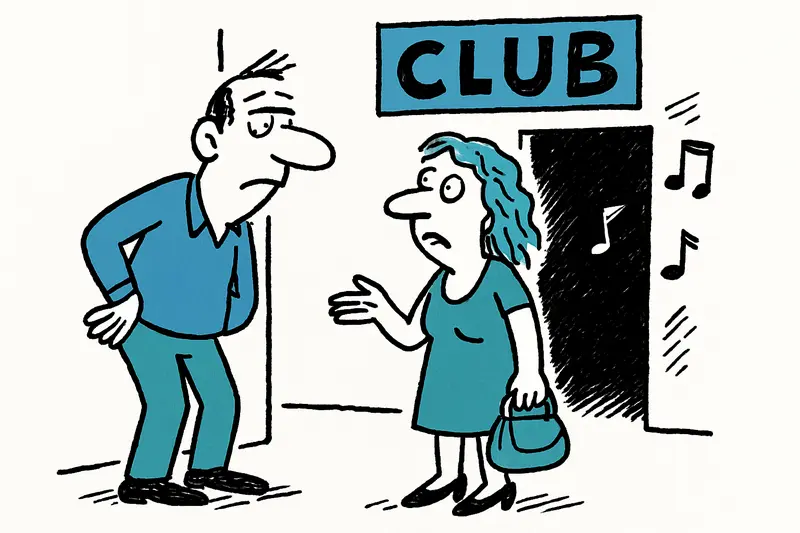
Where have the nights gone? Mallorca between austerity and shrinking club operations
Where have the nights gone? Mallorca between austerity and shrinking club operations
Nightclubs in Mallorca are shortening opening hours and cutting staff. Nightgoers now calculate their spending. A reality check: who loses, who can adapt — and what is missing from the debate?
Where have the nights gone? Mallorca between austerity and shrinking club operations
Why clubs have shorter opening hours, restaurants breathe — and what island society hardly discusses
Leading question: Why are fewer people going to discos in Mallorca — and is it enough to shorten opening hours to get the industry through the summer?
Evenings in Palma's entertainment districts feel unusual: the streets fill up, but the clubs remain emptier than before. Near the Paseo Marítimo you see groups who prefer to stand on the waterfront rather than pay an entrance fee. In Magaluf tourists walk by with bags in their arms, but many only stop briefly. The music from individual venues mixes with the noise of delivery vans — a small symbol of the change.
The facts, as far as observations, operator reports and industry sentiment reveal: discotheques are shortening opening hours Austerity Winter 2025: Mallorca's Service Providers Cut Opening Hours, opening less often during the week and concentrating staff on weekends. Guests apparently show less willingness to spend money on drinks, entry or extras. Restaurants report a post-Easter downturn Empty Tables, Tight Wallets: Mallorca's Gastronomy at a Crossroads that at first glance seems less dramatic, but margins are tighter there as well and planning is uncertain.
Economically it makes sense: higher travel costs for flights and accommodation shrink the holiday budget. Someone who previously ordered three drinks on impulse now thinks twice. Added to this are distractions like major sporting events, when guests prefer to stay home or plan their trip around TV evenings. The result is a creeping structural shift in evening consumption — from spontaneous exuberance to calculated nights out.
The industry's reaction is immediate: personnel costs are reduced, shifts are merged, opening hours are compressed to the most profitable days. That reduces costs in the short term but has long-term effects: if a club is only open on Fridays and Saturdays, the local scene loses continuity. DJs, technicians and service staff find fewer stable jobs. The missing rhythm makes it difficult to retain regulars.
What is often missing from the public debate are three things: first, the situation of those who work behind the scenes precarious conditions on the Playa de Palma party strip; second, the real estate and rent problem that creates high fixed costs; third, the question whether the current night offer still fits the island's profile. It's not just about "less partying", but about social and economic chain reactions: short-time work, greater dependence on the summer months and less cultural diversity at night.
Everyday example: a bartender in Playa de Palma reports how colleagues have been given shorter contracts since April because venues are simply closed during the week. Regular guests have aged, young backpackers stay sporadically — or they prefer to spend their money on day trips and beach activities. These observations are not alarmism; they are everyday reality in small alleys, in club parking lots and in the homes of employees.
Concrete solutions that go beyond cosmetic measures should therefore address several levels: tax relief or energy subsidies for the high season can help in the short term; in the medium term there needs to be a diversification of evening offerings — concerts, late markets, cultural programs and cooperation between restaurants and venues can stretch evening revenue. More flexible licensing rules that make pop-up events and temporary concepts easier would also give businesses room to manoeuvre.
Important is better coordination between tourism promotion and the night economy: marketing campaigns that sell not only sun and beach but also attractive evening formats for different target groups could boost length of stay. Equally necessary are concrete measures against seasonal unemployment — training offers for night staff and transition models so that skilled workers do not leave the island.
Another lever is mobility: good night connections are a factor in getting people to go out beyond the main hotels. If a taxi or bus costs fifty euros at night, people prefer to stay where they are. Affordable, safe night transport would therefore not only be customer service, but an economic contribution to reviving the nights.
Finally a sober look: shorter opening hours relieve costs in the short term, but they are not a cure for a market that is changing. Without strategies that protect employees, diversify the offer and target guest groups, a lasting weakening of the island's nights is threatened. The question is not only who spends less now — but whether Mallorca as a whole is ready to rethink its nightlife.
Conclusion: quiet at the bar is not a success. The solution lies not only in operators' austerity measures, but in a combination of politics, tourism promotion, mobility and creative business models. Otherwise the summer surge will become a stuttering rhythm — and Mallorca will lose a piece of its loud, unruly identity.
Frequently asked questions
What is the weather usually like in Mallorca in spring?
Can you swim in Mallorca outside the summer months?
What should I pack for Mallorca in spring?
Is Mallorca a good place to visit in the shoulder season?
What is the weather like in Port de Pollença in spring?
Is Palma a good base for a spring trip to Mallorca?
What is special about Mallorca in April?
Can you go hiking in Mallorca when the weather is still cool?
Similar News

Rental Car Theft in El Arenal: What This Incident Reveals About Our Gaps
A teenager steals a running rental car in El Arenal, flees on foot, climbs over walls and is caught by the Guardia Civil...

Red Rope in Palma's Library: What Helps Against Selfie Tourism — and What's Missing
Palma's city library cordoned off an area with a red rope to keep selfie tourism away from reading and working activitie...

Fort San Carlos: Museum, Harbor Dispute — and a Conflict That Demands Answers
The military museum at Fort San Carlos sits right on Palma's harbor, with unexpectedly quiet rooms filled with cannons a...

Old Town Under Pressure: When a Doorway Becomes a Sleeping and Shower Place
For months a woman has been living with a parasol, a clothes rack and personal belongings next to the social welfare off...

When Shopping Weighs Heavier: Mallorca Demands a Tax Pause on Food and Fuel
Rising prices are putting pressure on households and agriculture. The Balearic Islands are calling for temporary tax rel...
More to explore
Discover more interesting content

Can Cap de Bou

Townhouse Lleo 72
