
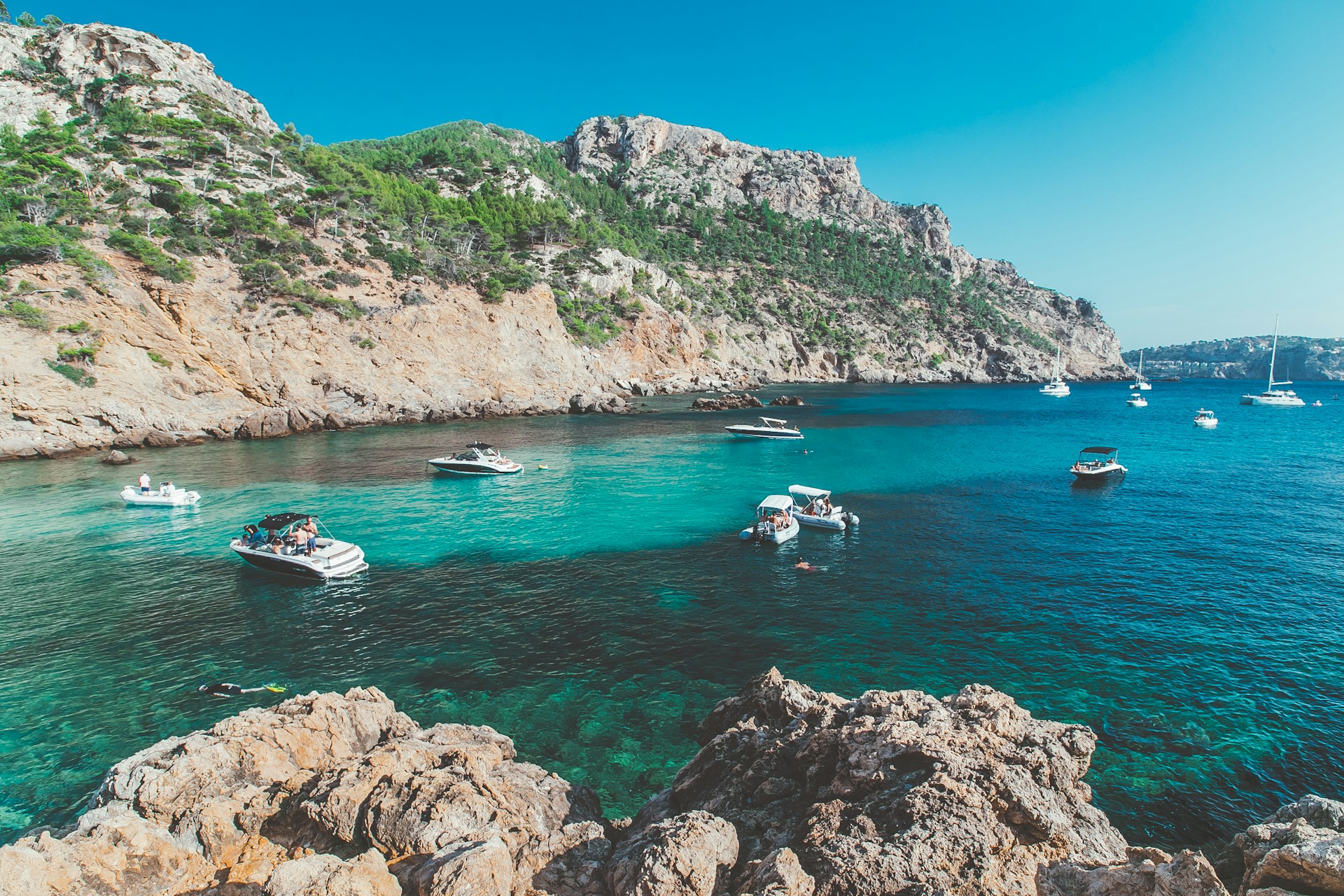
White Circles on the Roadway: Can They Reduce Motorcycle Accidents in Mallorca?
The Spanish road authority is testing white circles near center lines to keep bikers out of the oncoming lane. A look at opportunities, risks and what should be done concretely in Mallorca.
White Circles on the Roadway: Can They Reduce Motorcycle Accidents in Mallorca?
Imagine the Ma-10 near Deià on a hot Sunday afternoon: motorcycles purring, cicadas singing, olive trees casting thin shadows on the asphalt. On a sharp right-hand bend something unusual flashes – circular white patches right on the center line. At first glance it looks like a road painter's trial. On closer inspection there is an idea behind it: riders should keep their distance from the middle and thus be less likely to drift into oncoming traffic.
Key question
Can a simple marking on the asphalt actually save lives, or is it just a visual gimmick that attracts attention briefly and then fades?
Critical analysis
The logic is simple: if bikers do not shift their line toward the middle, the risk of a collision with an oncoming vehicle decreases. Early tests in alpine regions and pilot trials elsewhere show positive effects; reports speak of drastic reductions in accidents on marked stretches. But immediate transferability to Mallorca is by no means guaranteed. Island roads are short, often narrow and with varying surfaces; many bends are tight, sight distances variable. What applies to a long mountain road does not automatically apply to a narrow coastal road.
What is missing in the public debate
People talk a lot about the "if" of these white circles, less about the "how" and the context. Three points are seldom mentioned: first, night and visibility suitability – matte white helps by day, but in rain and darkness reflective agents may be necessary; second, the combination with other measures such as clean pavement, edge warning strips and clear signage; third, the question of maintenance. Without regular renewal any marking fades, especially on tourist routes with high tyre wear and salt air.
Everyday scene
In the late afternoon on the connecting road between Sóller and Fornalutx you see locals and visitors, retirees in clogs, riders in racing gear, cars with rented license plates. A borrowed scooter, hurried bends, no trust in the line of oncoming traffic – such images are everyday. The white circles could act here as a clear visual signal if placed correctly; applied wrongly they create confusion, especially for riders who rarely know Mallorca.
Concrete approaches
- Choose pilot sections: do not mark the whole island at once, but two representative stretches (e.g. a mountainous route like parts of the Ma-10 and a winding coastal connection). Before/after evaluation with clear accident figures and traffic counts. - Choice of material: high contrast by day, retroreflective at night; run tests with different formulations. - Complementary measures: lower temporary speed limits on marked sections, rumble strips before particularly critical curves, conspicuous warning signs in several languages. - Communication: inform rental companies, motorcycle clubs and tourism providers; notices at petrol stations and parking areas. - Maintenance concept: fixed budget for annual renewal, inspection after the winter season and after heavy rain events.
What data and responsible authorities must provide
A single metric is not enough: a reduction in accidents must be weighed against traffic growth, seasonal effects and the share of rented motorcycles. Therefore independent evaluations are needed, local involvement (Consell Insular, municipality, Guardia Civil) and transparent reporting. Only in this way can real effects be distinguished from coincidences.
Conclusion
The idea of white circles is not a cure-all, but an inexpensive component. In Mallorca it can help if used selectively, technically considered and accompanied by other measures. Those who see only a pretty coat of paint overlook the conditions under which asphalt really becomes safer: visibility, surface, speed, maintenance and the people who ride on it. If authorities take this seriously, a stroke of paint on the center line could become a small contribution to fewer deaths on our island. If not, it will remain a short-lived experiment.
Frequently asked questions
What is the best time to visit Mallorca for sunny weather and outdoor activities?
Is it safe to swim in Mallorca year-round?
What should I pack for a beach holiday in Mallorca?
What outdoor activities are popular in Mallorca besides beaches?
Which towns in Mallorca are good for a first visit?
Are there seasonal markets or festivals in Mallorca?
What’s the best way to get around Mallorca?
What should I know about the weather in Mallorca across seasons?
Similar News
Soon no more Mallorcan rolls? Generational change threatens a traditional bar in Palma
Bar Vista Alegre, a meeting place in Palma for three generations, is looking for a successor. So far only foreign applic...
Heat, Storms, Temperature Drop: Mallorca Between Extreme Summer and Everyday Life
Aemet warns of another 37–40°C, with little nighttime relief. Then rain and a rapid temperature drop to around 30°C. One...
Complaint surge at Balearic airports: Who bears responsibility for broken suitcases?
In Palma and on the neighboring islands, travelers report significantly more luggage damage and losses this year. Figure...
Empty Seats, Full Worries – Why Mallorca Excursions and Taxi Rides Suffer This Summer
Buses stand idle, taxi drivers notice guests' caution: What are the consequences of the new frugality for the island's e...

Mallorca-bound carrier Ryanair provokes Argentine national team: Provocation or PR mistake?
A low-cost carrier's social media post is causing international outrage. The key question: Is a company allowed to poke ...
More to explore
Discover more interesting content

Boat Tour with BBQ along Es Trenc Beach
Private transfer from Mallorca Airport (PMI) to Pollensa
