
Who benefits from ever-higher cigarette prices in Mallorca? A reality check
Who benefits from ever-higher cigarette prices in Mallorca? A reality check
Rising tobacco prices bring more money to the treasury, but fewer people smoke — at least officially. What the numbers don't show: pressure on households, smuggling risks and patchy quitting support on the island.
Who benefits from ever-higher cigarette prices in Mallorca? A reality check
Key question: Does the price jump for cigarettes in Mallorca actually lead to better health — or does it create new problems that are underrepresented in the public debate?
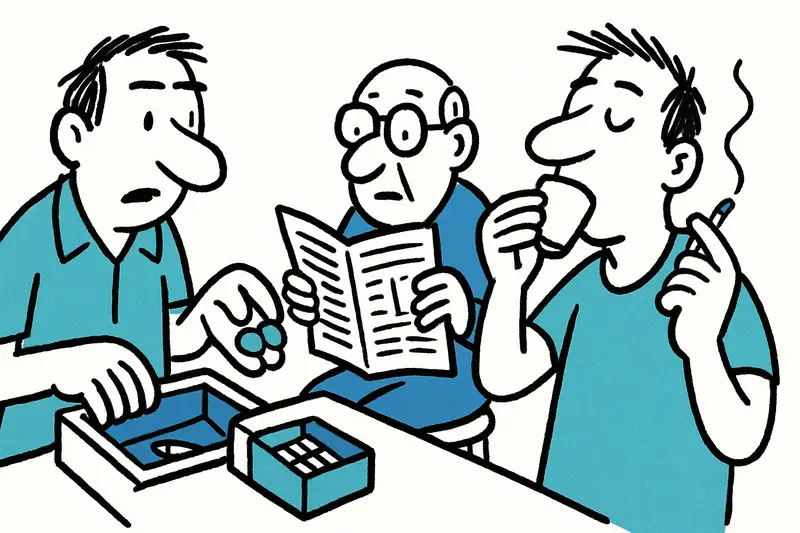
At the kiosk on Passeig del Born early in the morning: a shift of workers drinks espresso, a pensioner leafs through the classifieds, the shopkeeper counts change — and the drawer with the cigarettes closes more slowly. Official figures say that the amount of money generated by tobacco products in the Balearic Islands has increased despite falling sales volumes. The Spanish Ministry of Finance recorded a revenue increase of 3.25 percent last year to more than €486 million, even as Inflation Falls, Costs Remain: Who Pays the Price in Mallorca? notes many residents feel little relief. At the same time, sales of 20-pack cigarettes fell by almost four percent, and cigars by 3.4 percent.
Seasonal variation is typical for the island: in winter, for example in February, around 3.5 million packs are sold, while in July sales peak at about 7.68 million packs — tourism doubles sales compared with the quiet months. That means the island's coffers benefit more in summer, even if the total number of consumers is slowly declining.
Health data show a long-term decline in daily smoking: 20.9 percent of people in the Balearic Islands smoke daily (survey 2023), while twenty years ago this share was 28.6 percent. Intensity has also changed: those who used to smoke more than 20 cigarettes a day are now less common. The share of heavy smokers has fallen from 48 percent to 20.1 percent. Almost 41 percent of daily smokers now consume fewer than ten cigarettes a day. Men still smoke daily more often (23.8 percent) than women (18.1 percent).
In short: more money per pack, fewer packs — a fiscally attractive, plausibly health-positive development. But there are areas where the simple arithmetic is not enough.
Critical analysis: The treasury wins — but who bears the burden? Higher taxes and thus more expensive cigarettes particularly affect low-income people, a point also highlighted in Rising Cost of Living in Mallorca: Who Pays the Price?. In Mallorca this applies not only to locals: seasonal workers, hotel staff, hotel cleaning teams and small self-employed businesses are more sensitive to price changes. When the legal channel becomes expensive, the risk rises that smokers look for cheaper alternatives — smuggled goods, imports from other regions or unregulated products. Official statistics capture these shadow markets only partially.
Another blind spot: the role of tourism. The figures show monthly pack volumes, but they reveal little about how much of the product goes to short-term tourists or long-stay visitors. This has consequences for control and prevention — measures need to be thought of differently for high and low seasons.
The debate about e-cigarettes and new nicotine products often remains superficial. Some surveys recently signalled a decline in e-cigarette use after a temporary rise, but youth trends can vary strongly by region. Schools in Palma and smaller towns occasionally report observations of newer products circulating at the schoolyard level — reliable, ongoing surveys are lacking here.
What is missing from the public discussion: transparent information on how the additional tax revenues are used. Are they invested in addiction prevention, counselling and cessation services, or do they flow lump-sum into the regional budget? Additionally, an honest debate about black-market risks and how enforcement agencies operate during peak times on Mallorca is lacking.
Everyday observation: On the promenade of Portixol in the evening you can see it clearly. Groups of tourists smoke on the steps, waiters clean glasses, taxi drivers take a cigarette between fares. The silence after midnight differs from the cold February at Plaça Major, when fewer passers-by are around and shops close more calmly. These scenes show: regulation and control do not happen only in administrative offices, they are part of urban life, a point illustrated by Balearic Islands Reject Central Smoking Ban on Beaches and Terraces.
Concrete solutions for Mallorca:
1) Clearer earmarking of additional revenues: At least a portion of the extra tobacco taxes should be specifically directed to local prevention and cessation programmes — for example by increasing staff in centros de salud (CAP), providing free nicotine replacement therapies and offering easy-access counselling in communities.
2) Seasonal strategies: During tourist high seasons controls against surplus trading and smuggling must be intensified. At the same time, more informational material for visitors is needed — in hotels, at rental agencies and in multiple languages.
3) Improve data: Regular, island-specific surveys on e-cigarettes, smuggling and youth consumption would help to steer measures more precisely.
4) Local cooperation: A network of pharmacies, kiosks, schools, trade unions and municipal administrations could better anchor smoking cessation — including training for sales outlets so they can recognise risky supply chains.
5) Low-threshold services: Mobile counselling centres during the season and subsidies for nicotine replacement for low-income people would help mitigate the social imbalance.
Conclusion: The raw numbers can be read positively — fewer people smoke and the market is shrinking. But a closer look raises new questions: who pays the price of the higher costs, how does the black market respond and how are the additional revenues invested? In Mallorca, between the spring bustle of the market at Plaça Olivar and the summer noise of the hotel buses, it is not enough to rely on the figures alone. Politics and the health system must close the gaps before they become noticeable in everyday life — as a more expensive pack in a worker's pocket or as a new product on the schoolyard.
Frequently asked questions
Are higher cigarette prices in Mallorca actually reducing smoking?
Why do cigarette sales in Mallorca rise so much in summer?
Who is most affected by higher cigarette prices in Mallorca?
Does a higher cigarette tax in Mallorca increase black-market sales?
What should smokers in Mallorca know about quitting support and prevention services?
Is smoking still common in Mallorca compared with past years?
What is the concern about e-cigarettes among young people in Mallorca?
How should Mallorca use extra money from cigarette taxes?
Similar News
Rental Car Theft in El Arenal: What This Incident Reveals About Our Gaps
A teenager steals a running rental car in El Arenal, flees on foot, climbs over walls and is caught by the Guardia Civil...
Red Rope in Palma's Library: What Helps Against Selfie Tourism — and What's Missing
Palma's city library cordoned off an area with a red rope to keep selfie tourism away from reading and working activitie...

Fort San Carlos: Museum, Harbor Dispute — and a Conflict That Demands Answers
The military museum at Fort San Carlos sits right on Palma's harbor, with unexpectedly quiet rooms filled with cannons a...
Old Town Under Pressure: When a Doorway Becomes a Sleeping and Shower Place
For months a woman has been living with a parasol, a clothes rack and personal belongings next to the social welfare off...
When Shopping Weighs Heavier: Mallorca Demands a Tax Pause on Food and Fuel
Rising prices are putting pressure on households and agriculture. The Balearic Islands are calling for temporary tax rel...
More to explore
Discover more interesting content

Can Cap de Bou

Townhouse Lleo 72
