
Why long-term rentals in Mallorca are dwindling — and what could help
Why long-term rentals in Mallorca are dwindling — and what could help
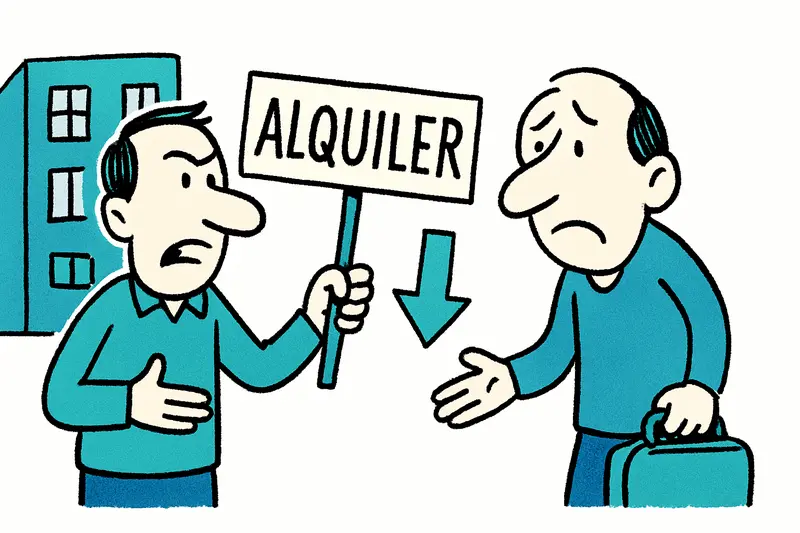
Long-term apartments are becoming scarce; many landlords opt for eleven-month 'alquiler de temporada'. Those who want to live in Mallorca often face a market that rewards short-term rentals.
Why long-term rentals in Mallorca are dwindling — and what could help
Lead question: Why are more and more rental apartments in Mallorca moving into the short-term niche, and who pays the price for it? This question concerns tenants, neighbors and small business owners in cities like Palma, as well as families in the suburbs.
At a glance: A search for apartments up to €1,000 on the large property portal showed 123 listings across Mallorca at the beginning of December. Applying the filter for genuine long-term rentals leaves 74. In the entire urban area of Palma, about 797 properties were recently listed as permanent residences — but only 59 of these in the segment up to €1,200. This is not a math problem, it's everyday life: few affordable offers, many short-term ads with the keyword 'alquiler de temporada' — often from owners living in Germany as well; this trend is explored in Buying and Renting in Mallorca: Why Prices Are Pushing Locals to the Edge — and What Could Help Now.
Critical analysis: Why supply is shrinking
There are several reasons that reinforce each other. First: short-term rentals usually generate significantly higher income per year than a classic annual contract, a phenomenon examined in Vacation Rentals Are King — But at What Cost for Mallorca?. Second: owners who do not live in Mallorca feel more flexible with eleven-month contracts — they are not tied to a long-term tenant and can more easily reuse the apartment for tourist seasons or sales. Third: legal and tax frameworks play a role; for some the 11-month rule is practical and economically attractive, as illustrated in When €800 Suddenly Becomes €1,300: How Minimum Lease Periods Are Pushing Tenants Out in Mallorca.
Another sore point: the distribution of broker fees. Brokers often charge the commission to the tenant for short-term contracts — a point confirmed by several agents on the island. A female agent from El Terreno suggested splitting the commission 50/50 between landlord and tenant to avoid conflicts and strengthen the neutrality of intermediaries.
What is often missing from the public debate
People talk a lot about numbers and portals, but too rarely about real life: families trying to register their children in Palma schools, elderly people who need to stay near doctors, craftsmen and tourism workers who cannot move every season. Also underexposed: the role of municipalities. Some places control short-term rentals more strictly, others hardly at all. Comprehensive, transparent data are missing — without them policymaking is piecemeal, as argued after recent market shifts in Why Mallorca's Real Estate Market Suddenly Slid in September — Analysis and Possible Remedies.
A scene from Palma
On Passeig Mallorca in the morning; delivery vans are parked, a bar owner pushes crates into her place, an older couple looks at rental offers in a shop window. The ads often claim annual rentals, but on the phone the answer is: 'Eleven months, then it's back to season.' The despair is audible: for many this means spending winter on a friend's sofa or in an overpriced shared flat.
Concrete solutions
The situation is not hopeless. The following measures would be pragmatic and realistically implementable:
1. Mandatory register for all rentals: A public, easily accessible registry would show how many units are missing for long-term housing and which apartments repeatedly appear as short-term rentals.
2. Financial incentives for long-term rental: Tax breaks or reduced municipal fees for owners who can prove they rent for at least one year or longer.
3. Fair broker rules: The 50/50 commission split could be made mandatory or at least recommended; this protects tenants and creates clarity.
4. Municipal pilot projects: Cities like Palma could define model neighborhoods where part of the empty apartments are temporarily offered at social rents — through cooperations with housing projects or cooperatives.
5. Transparency obligation on platforms: Portals should clearly indicate whether a listing allows registration as a primary residence or only seasonal use. This protects seekers from surprising refusals when trying to register an address.
Why these steps make sense
Long-term impact: If residents can stay, they strengthen neighborhoods, invest in local shops, send children to local schools — and the island retains its everyday functionality. Short-term profit can erode the social fabric and economic base in the long run. The challenge is therefore not only economic, but also cultural.
Conclusion: The thinning of long-term rentals is not a natural phenomenon. It is the result of decisions — by owners, platforms, brokers and also municipalities. People who want to live in Mallorca need more than pointers to portals; they need rules, transparency and targeted incentives so the island can again offer space to those who work and want to stay here. If Palma and other municipalities act now, the trend can be stopped. If not, in a few years we will hear 'eleven months' even more often — and the word 'home' even less.
Frequently asked questions
Why are long-term rentals in Mallorca becoming harder to find?
What does “alquiler de temporada” mean in Mallorca rental ads?
Can you register your address in a seasonal rental in Mallorca?
Why are rental prices in Palma so high compared with wages?
Are broker fees usually paid by tenants in Mallorca?
What could help increase long-term rentals in Mallorca?
How does the rental shortage affect families living in Mallorca?
Is the long-term rental problem in Mallorca mainly a Palma issue?
Similar News

Who Gets Left Out? Why Overbookings Will Hit Many Mallorca Travelers This Summer
On hot check-in days at Son Sant Joan, frustrated travelers pile up. New figures from Reclamador.es show that a large sh...

When the Handyman Came: How an Engagement Ring Disappeared in Mallorca and What It Says About Trust
During a repair in Andratx a highly personal engagement ring went missing — a case that calls not only for punishment bu...
How Burglars Test Fincas in Mallorca — and What You Can Do About It
The Spanish National Police warn of a simple but effective trick: small markings on doors reveal whether a finca is occu...
Palma doubles blue zone: What this means for residents, tourists and narrow streets
From 1 January 2027 Palma's ORA area will grow from around 12,000 to 24,000 spaces. Key question: Will the expansion bri...
Engagement ring disappears during repair: court upholds prison sentences for plumber and partner
During a heating repair in an apartment in Andratx an engraved engagement ring disappeared. After a trace to a pawnshop ...
More to explore
Discover more interesting content

Can Cap de Bou

Townhouse Lleo 72
