
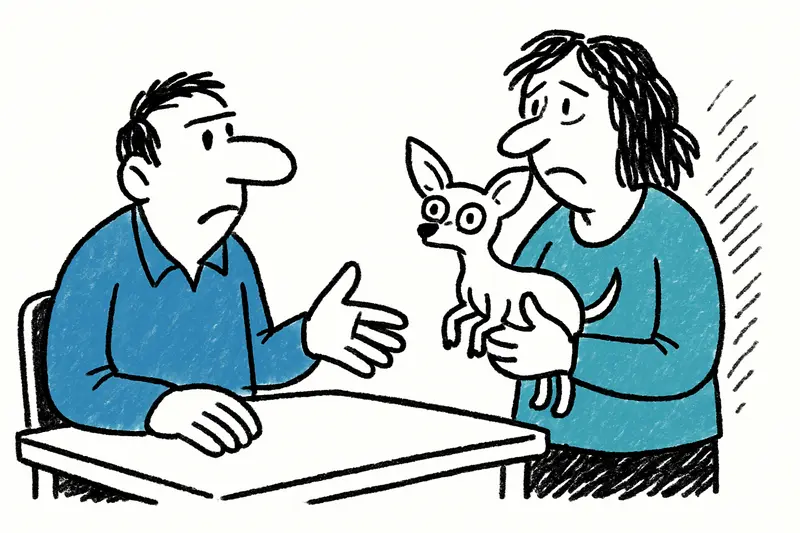
Why Paris? A reality check on the alleged killing of a female Chihuahua in Llucmajor
Why Paris? A reality check on the alleged killing of a female Chihuahua in Llucmajor
The alleged killing of the eleven-year-old Chihuahua Paris in Llucmajor has sparked grief and anger. A reality check: what happened, what is missing from the discourse, and which concrete steps can help protect animals and people from similar suffering?
Why Paris? A reality check on the alleged killing of a female Chihuahua in Llucmajor
Key question: How could it come this far and what must change?
The images circulating online show the tiny dog Paris — eleven years old, around one and a half kilos in weight. According to information known so far, she is said to have died in an apartment in Llucmajor, apparently after an external impact: skull injuries, additional damage to the lungs, and the fact that shortly before a woman is said to have taken a larger quantity of pills. The Guardia Civil and the environmental protection service Seprona have, according to those involved, opened investigations. The woman was taken to hospital; there appears to be no arrest warrant.
In short: an animal dead, a household torn apart, a neighborhood affected, as in Pets Die in House Fire in Llucmajor — How Safe Are We Really?. And the questions remain.
Critical analysis
First: the criminal-law level. Animal cruelty is not a trivial offense in Spain — nevertheless investigative procedures in such cases often seem slow. Reports go through the police, while specialized units like Seprona examine the circumstances in parallel. That no arrest warrant has been issued so far can be related to ongoing investigations, medical care of the accused, or legal requirements. For outsiders this remains hard to understand and feeds the feeling of being unprotected. This pattern of slow, complex procedures has also been seen in transport and inspection failures, for example Horror at Palma Port: 27 Dogs Dead After Ferry Crossing — What Went Wrong?.
Second: the interweaving of domestic violence and animal suffering. Animals are often silent victims in relationship conflicts. In this case suspicion of jealousy is in the air — a petty motive, as many comments have said — and yet an animal is the one that dies. Public focus quickly turns to outrage, and often concrete indications of how authorities and neighbors could have reacted earlier are missing.
What is missing in public discourse
The debate often remains at moral indignation. More important are practical questions: Which reporting channels are really fast and effective for pet owners and neighbors? How quickly can the police secure an animal or temporarily remove the owner from the apartment if there is an acute danger? How well are small pets recorded in official registers (microchip, proof of ownership) — this also facilitates forensic clarification?
Also little discussed: mental health crises and their role. If a person in a household is clearly suicidal or self-endangering, there needs to be binding interfaces between health services, police and animal welfare. If these are missing, dogs, cats and small pets remain unprotected.
Everyday scene from Llucmajor
Morning in Llucmajor: the bakery at the plaza seems as usual, delivery vans beep, an older gentleman walks his dachshund on a leash, children sprint toward school. These routines seem banal — but it's exactly here that reports happen: a neighbor sees the woman crying at night, a delivery worker hears an argument, a child finds the door open. These small observations are often the first clue, as earlier coverage of local incidents like Nighttime fire in Llucmajor: pets die, questions remain showed. Yet many shy away from the effort of filing a report or do not know exactly whom to contact.
Concrete solutions
1) Faster, clearer reporting channels: municipal hotlines and online forms that bundle cases of animal cruelty and domestic danger, with clearly marked emergency numbers.
2) Mobile intervention teams: police, Seprona and social services should be able to coordinate faster in suspected cases to temporarily secure animals and provide medical care to people.
3) Visible neighborhood work: information evenings in town halls and plazas so neighbors know when and how they can intervene — without putting themselves at risk.
4) Legal clarifications: court protection orders that, in the course of relationship disputes, also connect the right to temporary removal from the home with clear rules for animal care.
5) Promotion of animal emergency shelters and temporary foster places: so affected animals do not end up in politically or administratively motivated holding patterns.
Conclusion — pointed
The death of Paris is more than an isolated case, it is a mirror: of our reporting and protection structures, of our willingness to intervene early, and of our responsibility to the silent victims of domestic conflicts. Outrage online is understandable — but it must lead to concrete demands: clearer procedures, better coordination between police and health services, and practical support for pet owners in crisis. Otherwise Paris will remain just a hashtag, and the next cat, the next dog will again be left alone.
Frequently asked questions
What is known about the Chihuahua Paris in Llucmajor?
Why do animal cruelty cases in Mallorca sometimes take time to investigate?
Can domestic violence and pet abuse be linked in Mallorca cases?
What should Mallorca residents do if they suspect an animal is in immediate danger?
How can neighbours in Llucmajor help without putting themselves at risk?
Why are microchips and proof of ownership important for pets in Mallorca?
What role can mental health crises play in pet protection cases in Mallorca?
Are there practical ways Mallorca could improve protection for pets in crisis situations?
Similar News

Fewer Airlines, Fewer Destinations: What Palma's Winter Flight Schedule Means for Mallorca
Analysis shows: Winter at Son Sant Joan Airport will be quieter, with significantly fewer airlines and destinations. Who...
German tourist dies in Sa Calobra – a reality check for emergencies on Mallorca's beaches
A 40-year-old tourist died at the Torrent de Pareis. The emergency call, a doctor who happened to be present, a defibril...
Deadly Tractor Accident in Bunyola: What Needs to Be Done Now
In a work accident on an estate near Bunyola, a roughly 40-year-old man lost his life. His wife and a small child were o...
Head-first dive into the shallow part of Cala Fonoll: An accident and the unresolved question of responsibility
A young tourist dove into Cala Fonoll and was seriously injured. Key question: Why are clear warning signs missing at da...
Mistaken identity with fatal consequences: Brutal assault in S'Aranjassa — what's missing in the follow-up?
At S'Aranjassa a visitor to a finca was tied up, beaten and thrown out of a van. Three men have been arrested, including...
More to explore
Discover more interesting content

Can Cap de Bou

Townhouse Lleo 72
