
When the View Turns into an Open-Air Party: Noise at Tramuntana Miradors
At popular miradors in the Serra de Tramuntana, loud music, smoke and overcrowded parking turn quiet sunset moments into nuisances. A reality check: who is causing the disturbance, why it happens, and what can be done now.
When the View Turns into an Open-Air Party: Noise at Tramuntana Miradors
Why sunsets in peace may soon become a luxury – and how we can prevent it
Key question: How can we ensure that viewpoints in the Serra de Tramuntana become places of silence and respect again, instead of improvised party areas?
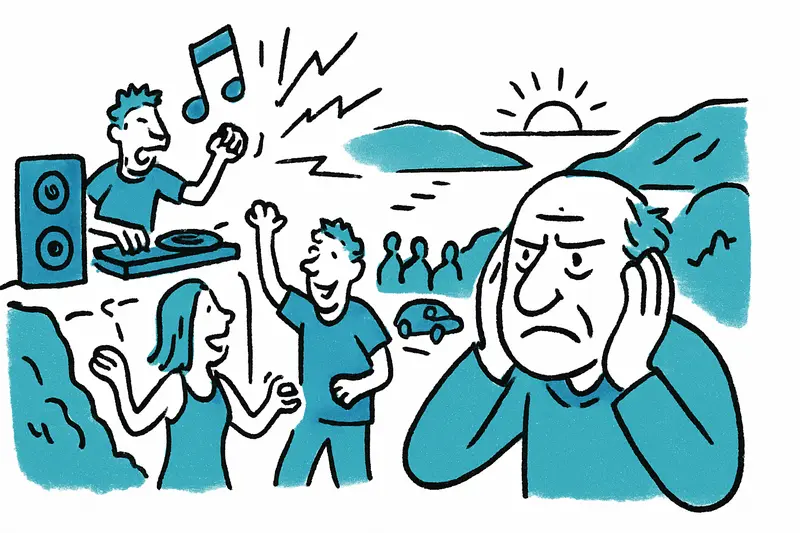
In the evening, shortly before sunset at a mirador near Deià: cars roll down their windows, bass booms, a group juggles bottles, smoke rises and mixes with the scent of pine. Two tourists, who had expected a quiet view, step back and look for a less noisy spot. Several people who have been in the Tramuntana in recent weeks describe such a scene, similar to reports from Mallorca towns like Sleepless Nights in Nou Llevant: When the Street Keeps You Awake.
The problem is not new, but it is becoming more visible. Viewpoints along the MA-10 and in small parking bays are increasingly filling with groups who turn on music, grill or drink alcohol. The Serra de Tramuntana is a UNESCO-protected cultural landscape and attracts visitors who want to experience the peace, the terraced slopes and, above all, the sunsets. If instead the atmosphere of an open-air party dominates, leisure seekers, residents and nature suffer alike.
Critical analysis: The behavior is part of a pattern that arises from several causes. First: a lack of information and missing local rules for these specific stopping points. Second: insufficient infrastructure – no bins, hardly any toilets, no signage with behavioral rules. Third: lack of controls in the evening hours; many responsible parties react during the day, while the disturbances usually start in the evening. Fourth: a tourism behavior that prioritizes experience maximization over respect, as seen around high-profile events covered in When Palma Becomes a Dancefloor: "Patrona" on the Paseo Marítimo — Opportunity or Noise Test?. These factors work together and create spaces where respect for the landscape and others becomes the exception.
What is often missing in the public discourse: the perspective of the people who live or work there every day – farmers, villagers, hiking guides. Their burden begins when bottles and rubbish end up in their fields late at night; they pay the price for brief moments of enjoyment. Large movements such as the Night Pilgrimage to Lluc: Tradition, Traffic and the Exposed Problems can also strain local services and highlight how events push an island's capacity. A sober consideration of the consequences for flora and fauna is also missing: light and noise disturbances affect animals, and the risk of fire remains if people smoke or grill on dry days.
Concrete solutions that could prove effective here: First, clear signage at the most important miradors with behavioral rules and hazard warnings; not as window dressing, but visible at entrances. Second, time-limited access regulations – in the evening only residents and registered visitors or shuttle traffic from parking lots further down. Third, targeted patrols by local enforcement services in the evening hours, combined with fines for noise and illegal grilling. Fourth, more bins and mobile toilets at sensitive points as well as quick collection after peak times. Fifth, a local awareness campaign: short videos, flyers in hotels and with landlords explaining why the Tramuntana needs special consideration. Sixth, a dialogue committee with the municipal council, conservation representatives, tourism providers and youth representatives to discuss rules that will be accepted.
An everyday scene, which occurs more often: At 8 pm a minibus parks in the bay above a mirador, young people carry speakers into the curve, someone opens a cooler, music fills the air. Two older walkers turn back, disappointed by what they find. The next morning empty cans lie among the rocks – nobody has removed the traces. Such small stories add up and change the image of a protected area.
Who is responsible is clear: visitors must act considerately, organizers and landlords should inform, municipalities must enforce rules and island tourism needs management for sensitive sites, as local residents elsewhere have begun to demand, for instance in Nighttime Noise and Speeding in Nou Llevant: German Residents Demand Quiet. It requires neither large investments nor abstract debates, but practical measures that show short-term effects and have long-term impact.
Pointed conclusion: The Tramuntana is not an open-air club. If we continue to allow viewpoints to turn into party zones, we will lose the character that draws many here. With clear signage, targeted enforcement, simple service offerings and a real local dialogue, much could be saved. It would be a pity if peace on the edge of the mountains became a rare attraction.
Frequently asked questions
What is the weather usually like in Mallorca in spring?
Can you swim in Mallorca outside the summer season?
What should I pack for Mallorca in the shoulder season?
Is Mallorca a good destination in autumn?
How busy is Sóller in Mallorca during the day?
Is Palma de Mallorca worth visiting for a day trip?
What is Alcúdia like for families in Mallorca?
What is the best time of year to visit Mallorca for outdoor activities?
Similar News
Rental Car Theft in El Arenal: What This Incident Reveals About Our Gaps
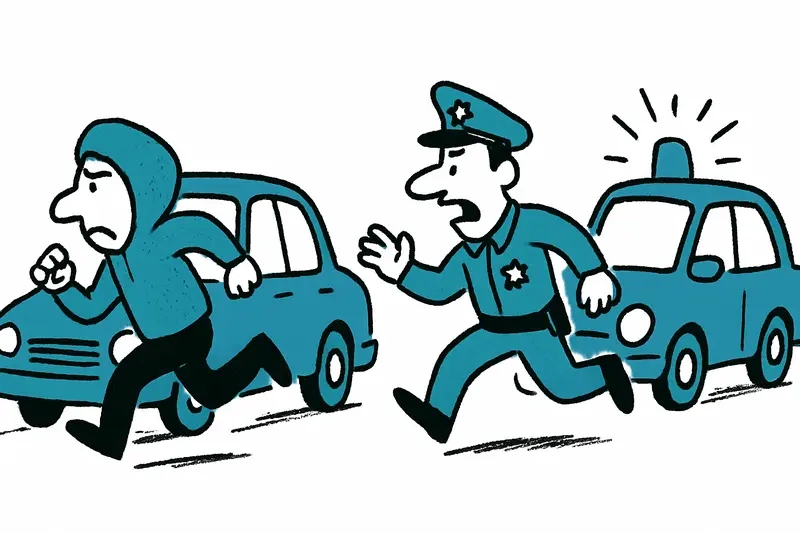
A teenager steals a running rental car in El Arenal, flees on foot, climbs over walls and is caught by the Guardia Civil...
Red Rope in Palma's Library: What Helps Against Selfie Tourism — and What's Missing
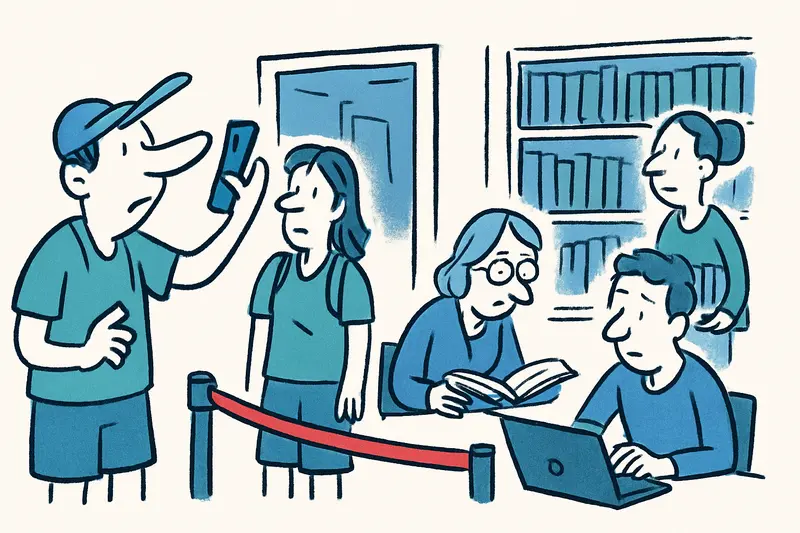
Palma's city library cordoned off an area with a red rope to keep selfie tourism away from reading and working activitie...
Fort San Carlos: Museum, Harbor Dispute — and a Conflict That Demands Answers
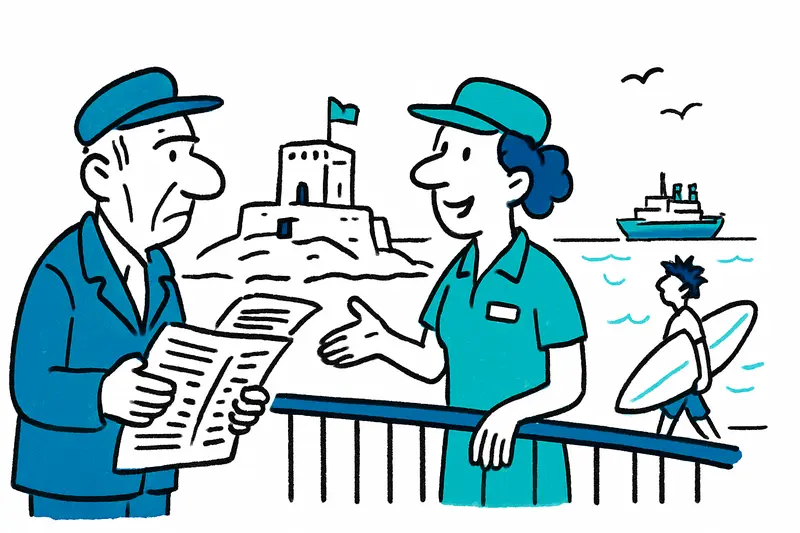
The military museum at Fort San Carlos sits right on Palma's harbor, with unexpectedly quiet rooms filled with cannons a...
Old Town Under Pressure: When a Doorway Becomes a Sleeping and Shower Place
For months a woman has been living with a parasol, a clothes rack and personal belongings next to the social welfare off...
When Shopping Weighs Heavier: Mallorca Demands a Tax Pause on Food and Fuel
Rising prices are putting pressure on households and agriculture. The Balearic Islands are calling for temporary tax rel...
More to explore
Discover more interesting content

Can Cap de Bou

Townhouse Lleo 72
