
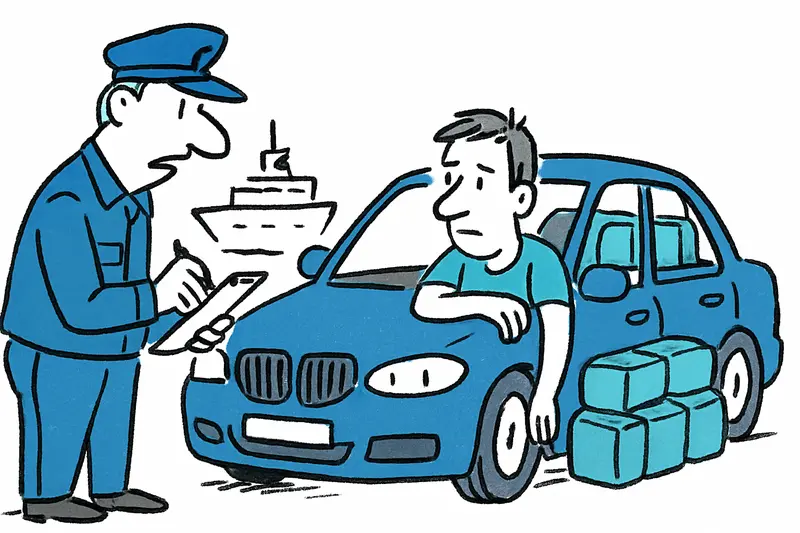
16 kilograms of cocaine in BMW: Port inspection in Alcúdia stops alleged smuggling
A 26-year-old man was arrested at the port of Alcúdia. Investigators found eight packages totaling 16 kg of cocaine in the BMW. We ask: How could the car reach the ferry unnoticed, and what needs to change?
16 kilograms of cocaine in BMW: Port inspection in Alcúdia stops alleged smuggling
A young man arrives by ferry from Barcelona – investigators find hiding places beneath the seats
Main question: How does a seemingly well-monitored ferry connection allow a five-figure quantity of drugs to reach almost to the island, and what is missing in the public debate about such cases?
In the early morning hours, before the market stalls on Passeig Marítim in Port d'Alcúdia roll out the foil for the fish stands, the local Guardia Civil stopped a BMW that had arrived on a ferry from Barcelona. The result was not only an arrest but also eight packages containing around 16 kilograms of cocaine, hidden in specially created cavities beneath the driver and passenger seats.
The man, 26 years old and—according to the investigation—of Moroccan origin, is said to have bought the car in Barcelona with cash. He could not name a seller, produced no documents, and carried several thousand euros in cash. Such inconsistencies and conspicuous behavior triggered checks at the port; a drug-detection dog alerted to two spots in the vehicle. Further dismantling of the car at a station in Palma revealed the full amount. The accused reportedly refused to cooperate and has been held in pretrial detention since.
Critical analysis: this case shows two sides. First, the good news: the control worked. Second, question marks remain. How often are vehicles at ferry calls not checked so thoroughly, as seen in Drug discovery on a ferry from Barcelona: Three arrests in Palma and the questions that remain? Why could a vehicle with a tampered interior be used on such short notice before the crossing? The simple answer “due to a tip” is not sufficient to explain the structural weaknesses.
What is missing in public discourse: headlines quickly focus on the arrest and the kilos found. Rarely do we discuss the preceding chain: how do tampered vehicles enter the legal market? What inspections do ferry companies, workshops or dealers carry out? And what role do digital records—such as purchase contracts, license plates and vehicle histories—play in detecting such manipulations? These are questions that often appear only in closed investigation files.
An everyday scene from Mallorca: anyone who walks through Port d'Alcúdia in the morning knows the sound of the ferry, the cry of seagulls and the fishermen mending nets. Amid these familiar sounds, police officers sit at dawn with flashlights while service vehicles stand quietly at the quay. The arrest of such a suspect does not change everyday life immediately—but it leaves an impression: the island is a hub for heavy traffic, and not everything that comes through the port is harmless.
Concrete solutions: 1. Better data exchange between ports, ferry operators and police: automatic queries about recent used-car purchases, unclear ownership and unusual cash movements could flag anomalies earlier. 2. Enhanced technical inspections of vehicles when there is suspicion: mobile lifts and structured inspections should be used more often instead of relying solely on visual checks. 3. Awareness-raising among used-car buyers and sellers: documentation requirements would simplify traceability. 4. More resources for sniffer dog units and targeted checks at handover points instead of purely random samples. 5. National-level cooperation to identify routes that are repeatedly used—don’t just react, but recognise patterns, as in the 675 Kilos of Cocaine case.
Another point: when investigators only report the find to the press, questions about the procedure remain. Citizens need transparency about controls and simultaneously guarantees of legal safeguards. The balance is delicate: not every measure may lead to a general suspicion of travellers, yet prevention requires clarity and comprehensible criteria.
What authorities and residents can do concretely: port operators could post standardised advice on how to recognise safe used-car purchases. Local workshops could cooperate with the Guardia Civil to report vehicle manipulations anonymously, similar to how controls uncovered large counterfeit hauls in Palma: Van with 700 Counterfeits Seized — Controls in Focus. Tourism bodies and ferry companies should define internal reporting channels so that unusual occurrences can be checked more quickly.
Conclusion: the arrest in Alcúdia is a success for local control units. At the same time, the case reveals gaps in prevention and follow-up. For an island with daily ferry traffic and lively used-car markets: isolated successes help, but only a networked system will prevent repetition. The morning calm at the harbour is deceptive—and precisely for that reason more than random checks are needed: regular, coordinated work between ports, sellers and police. This is not a neat political statement, it is practical everyday protection for Mallorca.
Frequently asked questions
How effective are Mallorca's ferry port checks at preventing smuggling?
What steps are being proposed to improve vehicle inspections in Mallorca's ferry system?
How can a tampered vehicle enter Mallorca's market, and what follow-up is needed?
What should visitors know about Port d'Alcúdia and its ferry traffic?
If authorities detain someone at Alcúdia's port for drug smuggling, what happens next?
What practical tips can help travelers in Mallorca avoid issues with used-car purchases?
How does Mallorca balance security with everyday life for residents and tourists?
What is Mallorca's climate like, and when is the best time to visit?
Similar News
Why Mallorca Has Become So Terribly Expensive — A Reality Check
Rents are exploding, staple food prices are rising, wages are lagging behind. A look at the causes, what is missing from...
When Paradise Becomes Unaffordable
Hotel rooms, paella and the weekly grocery shop: Mallorca is becoming more expensive for many. Who pays the bill — guest...
End at Ballermann: What Is Lost with the Dino Mini Golf at Playa de Palma
On October 25 the dinosaur mini-golf course at Playa de Palma will close after more than 30 years. Why the city is recla...
Expensive Address Calvià: What Does First Place Mean for Mallorca?
The National Institute of Statistics (INE) ranks Calvià as Spain’s most expensive municipality for property purchases. W...
Emergency over Spain: Ryanair Dublin–Tenerife flight diverted to Santiago after medical emergency
A Ryanair flight from Dublin to Tenerife was diverted to Santiago de Compostela due to a passenger's acute health proble...
More to explore
Discover more interesting content

Can Cap de Bou

Townhouse Lleo 72
