
220 Euros per Day — More Revenue, Less Quiet: How Mallorca Is Dealing with the Tourist Boom
220 Euros per Day — More Revenue, Less Quiet: How Mallorca Is Dealing with the Tourist Boom
In June 2026 visitors spent an average of €219.55 per person per day — record figures coincide with shorter stays. What does this mean for locals, infrastructure, and the future of tourism in Mallorca?
220 Euros per Day — More Revenue, Less Quiet: How Mallorca Is Dealing with the Tourist Boom
Key question: Does higher revenue per capita turn Mallorca into a short-term money-making operation — or do people here actually benefit?
The raw numbers are clear: in June 2026 holidaymakers in Mallorca spent an average of €219.55 per person per day; before the pandemic, in June 2019, it was €150.60. Per trip the average amount is now around €1,219.78 — almost €230 more than in 2019. This pattern is discussed in Boom Despite Friction: How Much Tourism Can Mallorca Still Handle? At the same time, the length of stay has fallen: 5.56 days in June 2026 compared with 6.6 days in June 2019. And there are more visitors: 1,868,226 guests in June this year, an increase of almost 13 percent compared with 2019, as reported in More Visitors, More Money — But How Long Can Mallorca Sustain It?
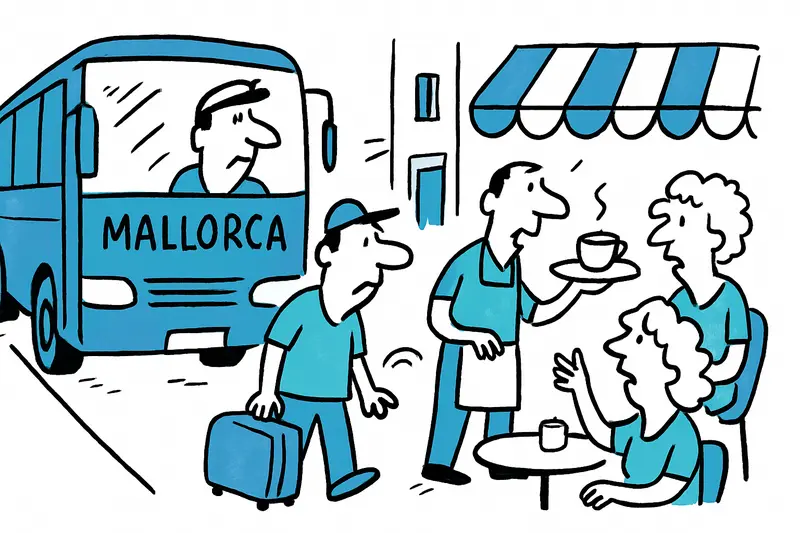
At first glance this is good money for the island's coffers and for some businesses. In Palma's old town you can see it on the Passeig del Born: full cafés, servers juggling trays, taxis dropping off and picking up passengers at the harbor at short intervals. But the scene has a downside — the days of relaxed, two-week holidays seem to be becoming rarer.
Critical analysis
Higher spending per capita is not an automatic recipe for prosperity for everyone. The increase can benefit only a few sectors: hotels, restaurants in tourist centers, luxury shops and operators of paid attractions. Small shops in the suburbs or craft businesses often feel it less; their customers depend on longer stays and repeat visitors.
Fewer days on site also mean more arrival and departure traffic, greater logistics pressure and more "quick consumption": a day-tripper who spends €150 in a single day creates a different economic pattern than a family that shops locally, hires tradespeople and fills the supermarket over eight days. Short stays also intensify seasonal peaks — more people in confined spaces, more rubbish, higher water consumption and pressure on transport infrastructure. This dynamic is explored in Mallorca in August: Fewer Regular Visitors, but the Cash Registers Are Ringing
Another point that often gets blurred in statistics: where does the money really flow? Some operators are internationally connected and profits are transferred to corporate headquarters. Local value creation — wages, local taxes, investments in the municipality — is not automatically proportional to the increase in gross turnover. For wider context on visitor numbers and the economic transition across the islands, see Balearic Islands on the Rise – More Visitors, Fewer Germans: How Mallorca Can Manage the Transition
What's missing in the public debate
We hear averages, but rarely about distribution. A few large turnovers can push an average up while many businesses stagnate. Also rarely discussed are the costs of short-term peak loads (infrastructure, environment, quality of life). And hardly anyone speaks openly about the type of tourism: mass tourism and day-trippers with limited spending, or better-paid, longer stays that generate higher local value?
In Palma's market halls or down at Playa de Palma you notice the effects in everyday life: delivery vans blocking narrow streets early in the morning, hotel receptions constantly processing new check-ins, and residents who have come to accept noise and rubbish as the normal summer state.
Concrete solutions
1) Redistribute revenue: Strengthen the local benefit from tourism through targeted earmarking of funds. Example: dedicate a portion of tourism taxes to local infrastructure, street cleaning and social projects.
2) Promote quality over quantity: Develop offers for longer stays and sustainable travel packages — including cheaper public transport, discounts for cultural offers for guests who stay several days.
3) Transparency in value creation: More disclosure about how much turnover remains with locally registered small businesses versus international chains. Goal: focus support programs where local jobs are created.
4) Reduce peaks: Better traffic management around arrival and departure days, limit the number of large day-trip offers in sensitive coastal areas and implement control instruments for large boat arrivals.
5) Strengthen small businesses: Grants, marketing support and digital visibility for local producers so tourists can spend their money intentionally at neighborhood shops, market stalls and craft businesses.
Everyday scene as a mirror
A typical mid-morning scene in Palma: a hotel bus drops off guests at Plaça Major who explore the alleys in small groups. A delivery bicycle turns the corner; two older neighbors sit outside a café discussing the road closure for an event. So much money in the city — and yet the question remains whether more benefit arrives than stress.
Concise conclusion: Higher spending per capita is not a panacea. It creates opportunities, but only if island authorities, entrepreneurs and the community manage it wisely. If the debate stays limited to averages, Mallorca risks missing the chance to turn the short-term boom into a sustainable revenue source that strengthens both visitors and locals in the long term.
Frequently asked questions
How is Mallorca trying to balance higher tourist spending with local well-being?
Does higher spending per tourist mean longer holidays in Mallorca?
What concrete steps are proposed to manage Mallorca's tourism growth?
Where does the money from tourism flow in Mallorca — local gains or multinational profits?
How can visitors spend money in Mallorca to support local communities?
What’s life like in Palma during the peak tourist season and in the old town?
How do day-trips affect Mallorca’s infrastructure and environment?
Why is it important to understand who benefits from Mallorca’s tourism growth?
Similar News
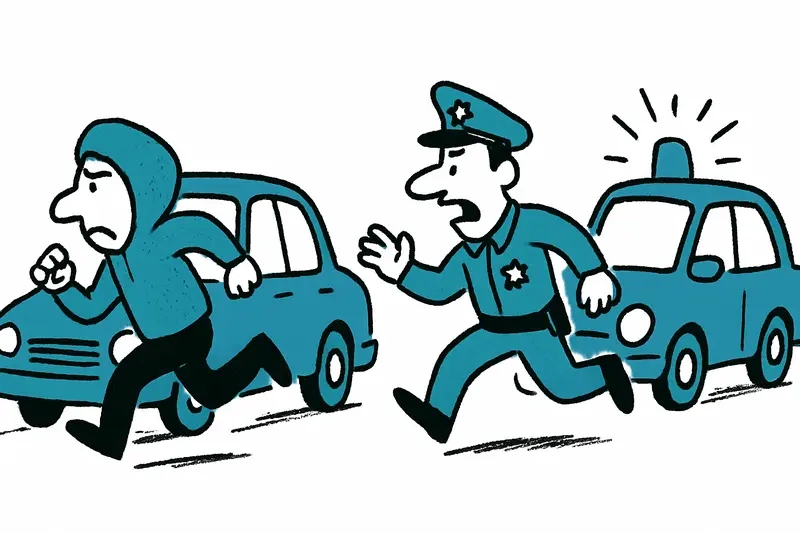
Rental Car Theft in El Arenal: What This Incident Reveals About Our Gaps
A teenager steals a running rental car in El Arenal, flees on foot, climbs over walls and is caught by the Guardia Civil...

Red Rope in Palma's Library: What Helps Against Selfie Tourism — and What's Missing
Palma's city library cordoned off an area with a red rope to keep selfie tourism away from reading and working activitie...
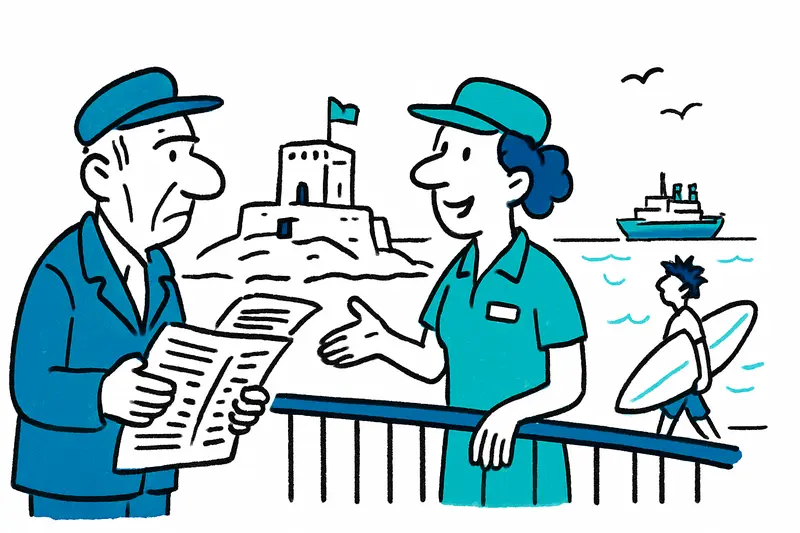
Fort San Carlos: Museum, Harbor Dispute — and a Conflict That Demands Answers
The military museum at Fort San Carlos sits right on Palma's harbor, with unexpectedly quiet rooms filled with cannons a...
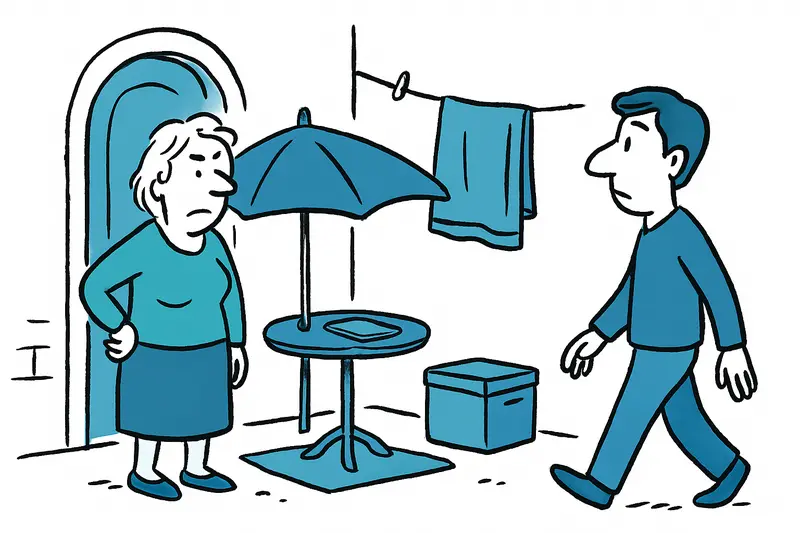
Old Town Under Pressure: When a Doorway Becomes a Sleeping and Shower Place
For months a woman has been living with a parasol, a clothes rack and personal belongings next to the social welfare off...
When Shopping Weighs Heavier: Mallorca Demands a Tax Pause on Food and Fuel
Rising prices are putting pressure on households and agriculture. The Balearic Islands are calling for temporary tax rel...
More to explore
Discover more interesting content

Can Cap de Bou

Townhouse Lleo 72
