
Fatal Fall in the Picos de Europa: A Reminder for All Hikers
A 29-year-old German woman died after a fall on the Ruta del Cares. The accident raises fundamental questions about the safety of popular mountain trails and preventive measures for tourists.
Fatal accident on the Ruta del Cares becomes a reminder
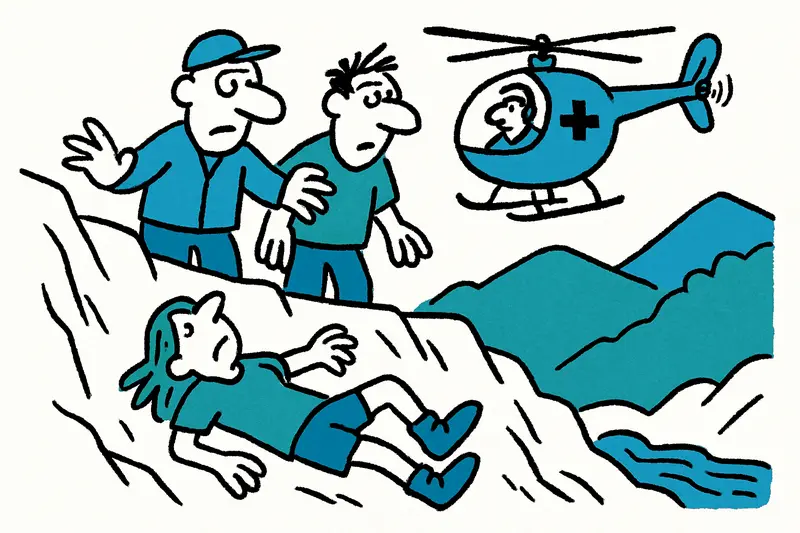
The tragic fall of a 29-year-old German woman in the well-known gorge of the news report about the 29-year-old German hiker on the Ruta del Cares shocked many hikers this week. Witnesses report that a rock struck her head before she fell several dozen meters into a steep ravine. Rescue helicopters and mountain rescuers were able to recover the woman, but she succumbed to her serious injuries the next day.
What makes the scene so unsettling
Anyone familiar with the Cares Gorge (Ruta del Cares) on Wikipedia knows its narrow, often spectacular path along sheer walls: the scent of pine needles mixes with the cold breath from the gorges, and the tread of heavy hiking boots echoes on narrow trails. Such images rarely make you think of falling rocks. Yet that appears to have made the difference here. Companions and a park ranger descended into the gorge to try to secure her — scenes that are not easily forgotten.
The central question: How safe are popular routes really?
The Ruta del Cares is popular, well-documented, and yet dangerous. This raises a guiding question that goes beyond this single case: Are the existing prevention measures, warning signs and closures sufficient to protect against sudden rockfalls? Especially in areas that are reopened after wildfires or heavy rains, such as those reported by AEMET weather warnings, slope stability often changes faster than notices or websites can react.
Aspects rarely in the spotlight
First: Many hikers — both tourists and locals — underestimate the local dynamics of rock masses after fires or heavy rain. Burned vegetation can lose its erosion protection, cracks in the rock become visible, and the risk of falls increases.
Second: information gaps. Warning signs on site are important but not enough if they are only posted in Spanish or if digital closure notices do not appear promptly when booking strenuous tours. Third: the social component — how do companions react in emergencies? Most recreational hikers are not rescuers; the decision to descend into a gorge is emotionally difficult and dangerous for everyone involved.
Concrete opportunities and approaches
Practical lessons can be learned from the pain of this accident. Some proposals that both tourists and municipalities — including those on Mallorca — could implement:
Multilingual, highly visible warning systems: Signs and digital information pages not only in Spanish but also in English and German. QR codes at trailheads that deliver current closures or hazard alerts directly to smartphones.
Regular hazard checks after extreme events: After wildfires or heavy rain, technical teams should check slope stability — not only months later when the route may already be open again.
Preventive information and training: Free short workshops in tourist locations (e.g., in port towns or mountain villages) on how to behave during rockfall, safe group leadership and emergency equipment. On Mallorca this could be offered in places like Sóller or Deià in cooperation with mountain guides and rescue services (rescue in the Puig de Galatzó).
Voluntary tour registration: A simple system in which hikers can register start and end times — digitally or at their hotel. This speeds up alerts and search operations.
Personal precautions: Travel insurance, a compact first aid kit, a whistle, headlamp, and — on exposed sections — the consideration of wearing a helmet. Not to incite panic, but as pragmatic protection.
What Mallorca can learn from this
The paths of the Serra de Tramuntana on the island are different from the gorges of the Cantabrian range, but the dynamics are comparable: heat waves, short heavy rains and past fires change terrain and risk. Before setting out at dawn, when the light gilds the olive groves and church bells are still faint, it pays to do a quick check: Is the route open? Do I have information from a reliable source (for example, the Puig Major night-rescue report)? Am I not alone on exposed sections?
A final appeal
Our thoughts are with the relatives of the deceased. This accident is a bitter reminder: Popular trails must not be deceptive. We need better warnings, more prevention and a culture of caution — from authorities, tourism providers and us hikers alike. When you return from a hike in Mallorca and the café near the harbor again smells of cinnamon and coffee, you should bring home stories — not tragedy.
Frequently asked questions
Is hiking in Mallorca safe after heavy rain or wildfires?
What should I pack for a mountain hike in Mallorca?
How can I check if a hiking route in Mallorca is open?
What should you do if you hear rockfall on a hike in Mallorca?
Is the Serra de Tramuntana in Mallorca dangerous for hikers?
Where in Mallorca can hikers get safety advice before a mountain route?
Should I hike alone on exposed trails in Mallorca?
How can hikers in Mallorca register their route for safety?
Similar News
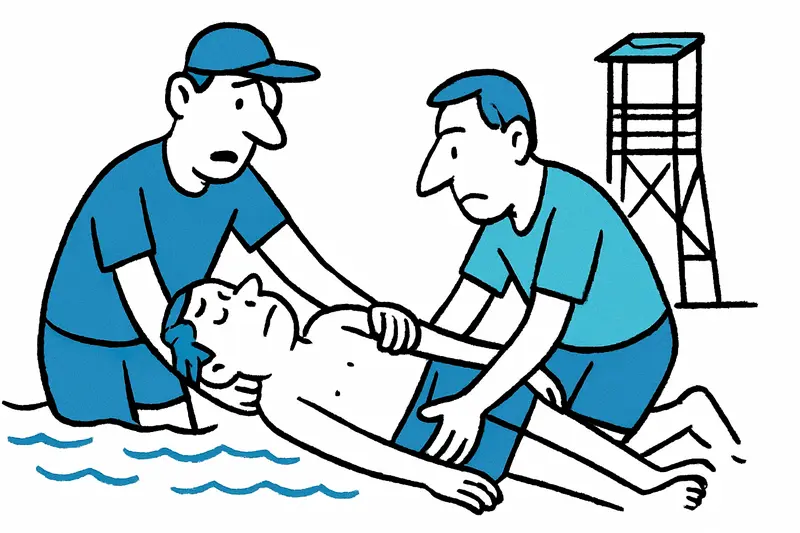
Magaluf: Watchtower Alarm – Lifeguards Pull Unconscious Beachgoer from the Water
After a drama in the late afternoon, two lifeguards at Magaluf beach rescued an unconscious 44-year-old man. He was stab...
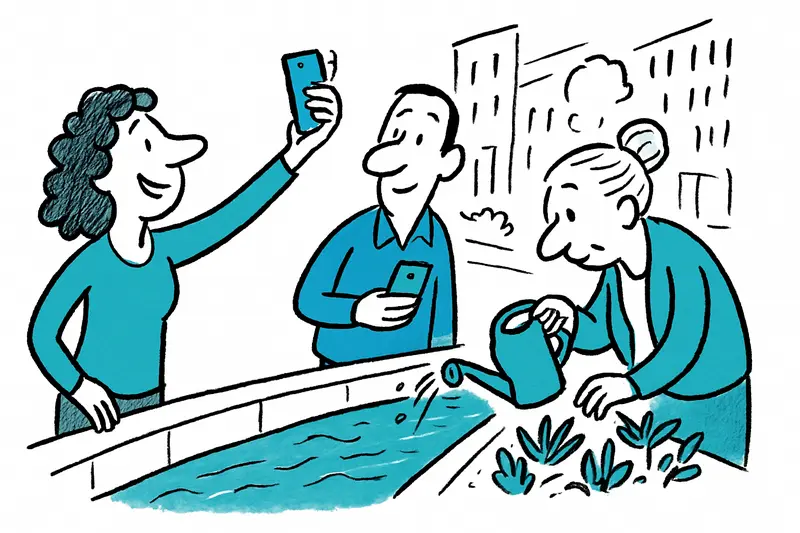
Turquoise in the City: How dangerous is the color play of the Sa Riera?
The Sa Riera in Palma suddenly turned turquoise — a pretty motif, but behind the effect lies a discharge of saline waste...

Jeckliner at Sunnesching: Cologne spirit sets sail from Palma
In September 2027 the Mein Schiff 2 briefly becomes a floating carnival stage: four days with Cologne bands, comedy and ...
Finally Home: Mike and Leyla Heiter Buy Villa with Sea View in Mallorca
The reality TV couple Mike and Leyla Heiter have bought a house in Mallorca with a roof terrace and sea view. An Instagr...
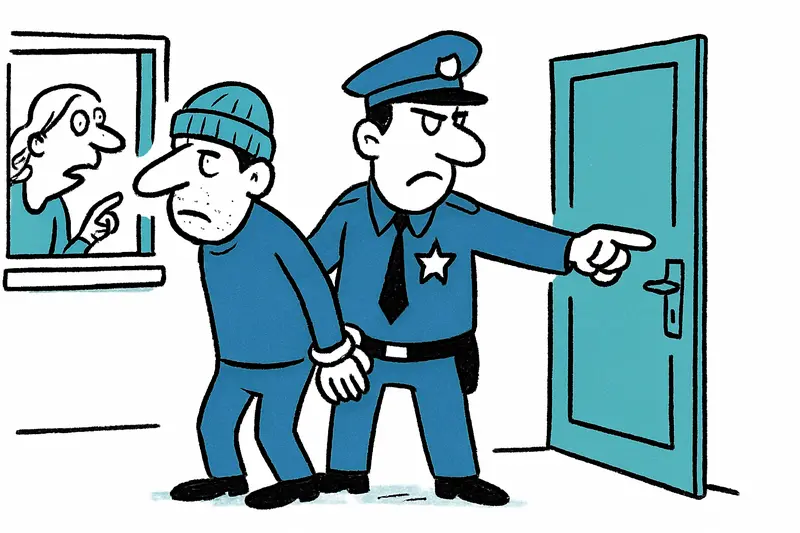
Arrest after series in Palma: Who protects apartments from repeat offenders?
The National Police arrested a man in Palma who investigators say may have broken into several apartments. In one incide...
More to explore
Discover more interesting content

Can Cap de Bou

Townhouse Lleo 72
